
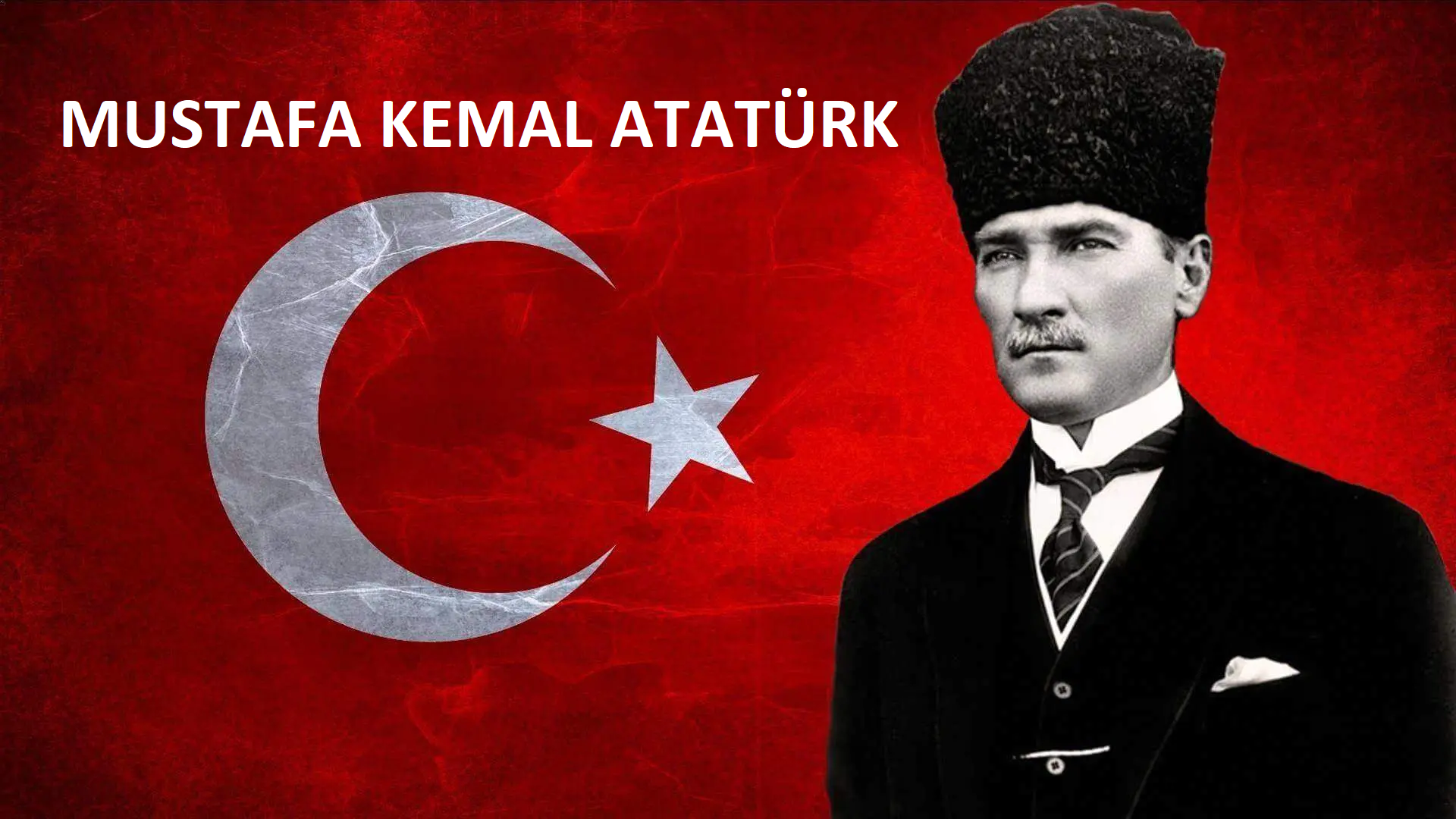
Mustafa Kemal Atatürk: Architect of Modern Turkiye
Mustafa Kemal Atatürk, the founding father of the Republic of Turkey, is revered not only as a great leader but also as a visionary who transformed a crumbling empire into a modern, secular, and progressive nation-state. His legacy is deeply embedded in Turkish history and continues to influence the country’s political, social, and cultural fabric.
Early Life and Military Career
Born in 1881 in the city of Selanik (now Thessaloniki, Greece), which was then part of the Ottoman Empire, Mustafa Kemal showed an early aptitude for leadership and education. He attended military school, where he excelled and later graduated from the Ottoman Military Academy. His military career saw a rapid rise as he distinguished himself during World War I, particularly in the Gallipoli Campaign, where his strategic acumen and leadership skills earned him national recognition.
The War of Independence and the Birth of the Republic
Following the collapse of the Ottoman Empire after World War I, Mustafa Kemal led the Turkish War of Independence against occupying Allied forces. His leadership culminated in the victory of the Turkish nationalist forces, leading to the Treaty of Lausanne in 1923, which recognized the sovereignty of the newly formed Republic of Turkey. On October 29, 1923, the Republic was officially proclaimed, and Mustafa Kemal became its first president, adopting the surname “Atatürk,” meaning “Father of the Turks.”

Atatürk’s Reforms: A Vision for a Modern Nation
Atatürk’s vision for Turkey was rooted in the principles of modernization, secularism, and nationalism. He believed that Turkey needed to break away from its Ottoman past and embrace a new identity that aligned with Western values and progress. To achieve this, he implemented a series of profound and wide-ranging reforms that transformed Turkish society.
- Abolition of the Sultanate and Caliphate: One of Atatürk’s first acts was to abolish the sultanate in 1922, effectively ending the Ottoman Empire. In 1924, he also abolished the caliphate, separating religion from the state and laying the foundation for a secular government.
- Legal and Social Reforms: Atatürk introduced the Swiss Civil Code, replacing the religious laws that governed marriage, divorce, and inheritance with secular laws. This was a revolutionary move that provided women with equal rights and significantly advanced gender equality in Turkey.
- Educational Reform: Atatürk believed that education was key to modernization. He introduced the Law on Unification of Education in 1924, which centralized and secularized the education system. The Latin alphabet was adopted in 1928, replacing the Arabic script, making literacy more accessible and aligning Turkey more closely with the West.
- Language and Cultural Reforms: Atatürk established the Turkish Language Association to reform and purify the Turkish language. He also promoted the study and celebration of Turkish history and culture, aiming to foster a strong sense of national identity.
- Economic Modernization: Atatürk’s economic policies focused on state-led industrialization and modernization. He encouraged the development of infrastructure, established state-owned enterprises, and promoted agricultural reforms to boost productivity.
- Secularism: Atatürk firmly believed in the separation of religion and state affairs. He removed religious influence from public life, abolished religious courts, and closed religious schools. The wearing of religious attire in public offices was also banned, signaling a shift towards a secular, modern society.

Atatürk’s Legacy
Atatürk’s reforms laid the groundwork for Turkey’s transformation into a modern, secular, and democratic state. His vision of a progressive Turkey, rooted in rationalism and humanism, continues to shape the nation’s identity and values. The principles of Atatürkism—secularism, nationalism, populism, reformism, republicanism, and statism—remain central to the Turkish Republic’s constitution and governance.
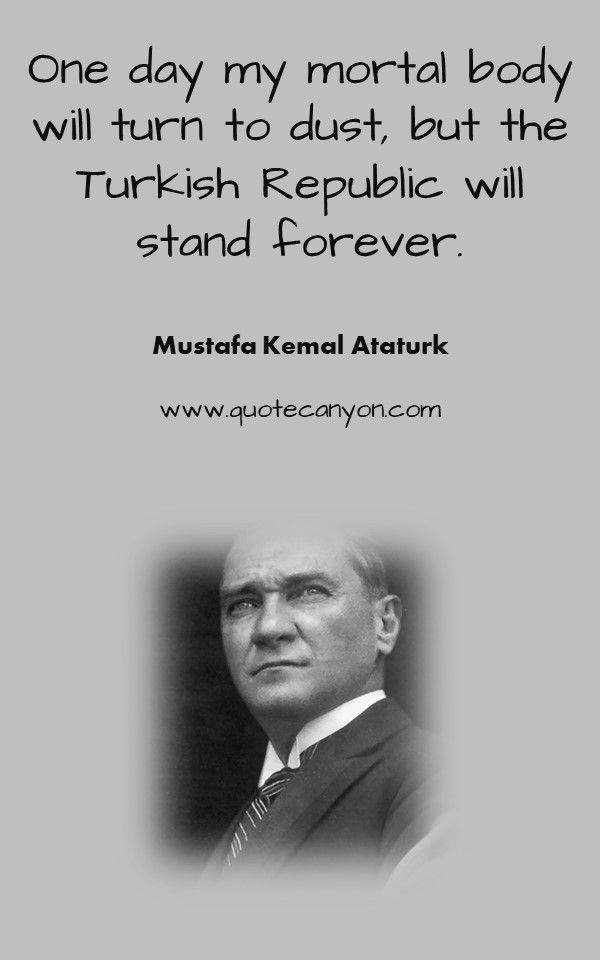
Globally, Atatürk is recognized as one of the most significant leaders of the 20th century. His achievements in nation-building, his foresight in adopting Western-style reforms, and his commitment to secularism and modernization have made him a figure of international admiration. Leaders around the world, from Franklin D. Roosevelt to Mahatma Gandhi, have acknowledged Atatürk’s extraordinary contributions to world peace and progress.
Conclusion
Mustafa Kemal Atatürk’s impact on Turkey and the world is undeniable. He not only saved a nation from the brink of collapse but also paved the way for its rebirth as a strong, independent, and modern state. His legacy lives on in the institutions he built, the reforms he implemented, and the values he instilled in the Turkish people. Atatürk’s vision for Turkey was one of unity, progress, and prosperity—a vision that continues to guide the nation today.
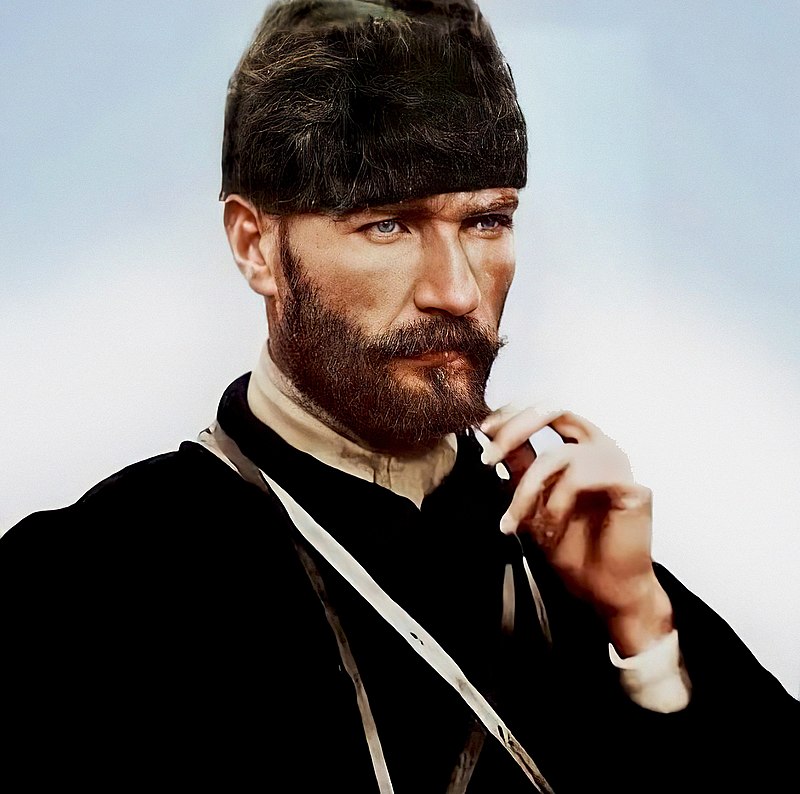
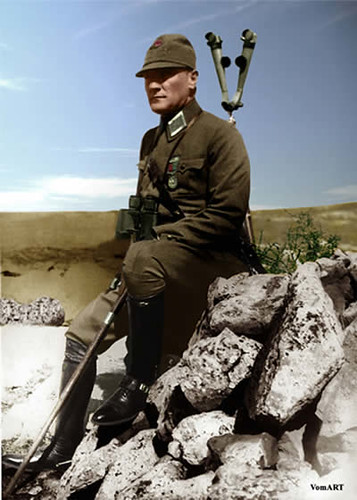
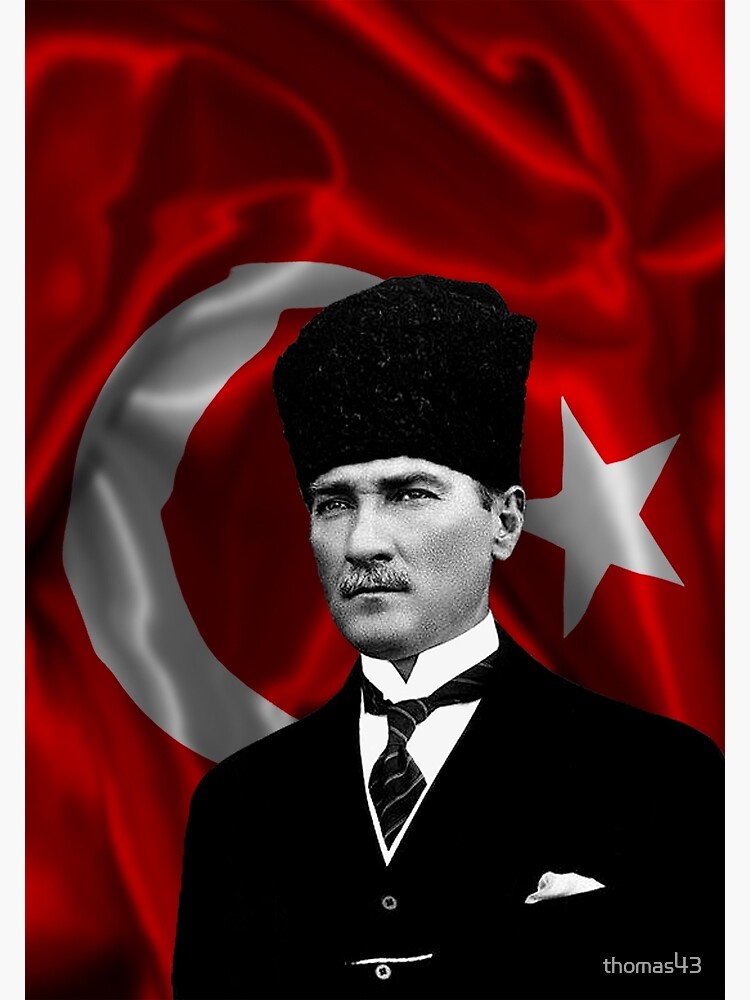
Mustafa Kemal Atatürk and His Reforms: Shaping Modern Turkey
Mustafa Kemal Atatürk, the founding father of the Republic of Turkey, was a revolutionary leader whose reforms fundamentally transformed Turkish society. His vision for a modern, secular, and independent nation guided a series of bold and comprehensive changes that continue to shape Turkey to this day. Atatürk’s reforms, collectively known as “Kemalist Reforms,” were aimed at dismantling the remnants of the Ottoman Empire and creating a new, progressive national identity.
1. Abolition of the Sultanate (1922)
One of Atatürk’s first and most significant actions was the abolition of the Ottoman Sultanate on November 1, 1922. This effectively ended the centuries-old Ottoman monarchy and paved the way for the establishment of the Republic of Turkey. The abolition of the Sultanate marked the beginning of Turkey’s transition from an empire to a modern nation-state.
2. Proclamation of the Republic (1923)
On October 29, 1923, Atatürk proclaimed the Republic of Turkey, officially replacing the Ottoman Empire with a republican form of government. This was a monumental shift that introduced democracy, with sovereignty vested in the people rather than a monarch. Atatürk became the first President of Turkey, a position he held until his death in 1938.
3. Abolition of the Caliphate (1924)
The Caliphate, a symbolic representation of Islamic leadership, was abolished on March 3, 1924. By separating religion from state affairs, Atatürk firmly established secularism as a foundational principle of the new Turkish Republic. The abolition of the Caliphate was a crucial step in Atatürk’s broader effort to modernize Turkey along Western lines.
4. Legal Reforms and the Adoption of the Swiss Civil Code (1926)
Atatürk replaced the Islamic-based legal system with a new legal framework based on European models, particularly the Swiss Civil Code. The adoption of the Civil Code in 1926 provided equal rights to women in marriage, divorce, and inheritance, and outlawed polygamy. These legal reforms were revolutionary in promoting gender equality and advancing Turkey’s modernization.
5. Educational Reform and the Unification of Education (1924)
Atatürk believed that education was key to the nation’s progress. The Law on the Unification of Education (Tevhid-i Tedrisat Kanunu), enacted in 1924, centralized and secularized the education system. Religious schools were closed or converted into secular institutions, and a focus was placed on science, modern knowledge, and national unity. Atatürk also established universities and reformed curricula to align with his vision of a modern, educated society.
6. Adoption of the Latin Alphabet (1928)
In one of his most ambitious cultural reforms, Atatürk replaced the Ottoman Arabic script with the Latin alphabet in 1928. This change was aimed at increasing literacy rates and making the Turkish language more accessible to the general population. The adoption of the Latin alphabet was also symbolic of Turkey’s break with its Ottoman past and its embrace of a new, modern identity.
7. Women’s Rights and Social Reforms
Atatürk was a strong advocate for women’s rights and worked to ensure that women were given equal opportunities in all aspects of life. In 1930, women gained the right to vote in municipal elections, and in 1934, they were granted full suffrage, including the right to stand for election to the national parliament. These reforms placed Turkey ahead of many Western countries in terms of gender equality.
8. Economic Reforms and State-Led Development
Atatürk implemented economic reforms that focused on industrialization, agricultural development, and infrastructure. He promoted a policy of state-led development (statism), establishing state-owned enterprises in key industries to foster economic growth and reduce foreign dependence. These efforts laid the groundwork for Turkey’s economic modernization and self-sufficiency.
9. Cultural Reforms and National Identity
Atatürk sought to forge a strong national identity rooted in Turkish history and culture. He encouraged the study of pre-Ottoman Turkish history and promoted the use of the Turkish language. Atatürk also introduced the “Hat Law” in 1925, which aimed to modernize Turkish attire by replacing the traditional fez with Western-style hats. These cultural reforms were designed to align Turkey with the Western world and foster a sense of national pride and unity.
10. Secularization and the Laïcité Principle
Secularism, or “laïcité,” was a cornerstone of Atatürk’s vision for Turkey. He implemented a series of measures to reduce the influence of religion in public life, including the closure of religious schools, the banning of religious attire in public institutions, and the establishment of a secular judicial system. These reforms helped to create a clear separation between religion and state, making Turkey one of the most secular countries in the Muslim world.
The Legacy of Atatürk’s Reforms
Atatürk’s reforms have had a profound and lasting impact on Turkey. They transformed the country from a decaying empire into a dynamic, modern republic with a strong national identity. The principles of Kemalism—secularism, nationalism, populism, reformism, republicanism, and statism—continue to guide Turkey’s political and social institutions.
Atatürk’s legacy is celebrated not only in Turkey but also around the world. His vision of a progressive, secular, and independent Turkey remains a model for other nations striving for modernization and reform. Today, Atatürk is remembered as one of the most influential leaders of the 20th century, whose ideas and reforms continue to shape the course of Turkish history and inspire people globally.
Global Tributes to Mustafa Kemal Atatürk
Mustafa Kemal Atatürk, the founder of the Republic of Turkey, is not only a monumental figure in Turkish history but also a leader who has garnered admiration and respect from around the world. His leadership, vision, and reforms have been praised by numerous global leaders, thinkers, and statesmen. Here are some notable tributes to Atatürk from around the world:
Charles de Gaulle (France)
Charles de Gaulle, the former President of France and a towering figure in French history, once referred to Atatürk as “one of the greatest leaders of the 20th century.” De Gaulle admired Atatürk’s ability to lead his nation to independence and modernize Turkey. He saw Atatürk as a model for other countries seeking to rebuild and reform in the aftermath of war.
Franklin D. Roosevelt (United States)
Franklin D. Roosevelt, the 32nd President of the United States, praised Atatürk’s efforts in transforming Turkey into a modern and secular state. Roosevelt saw Atatürk as a beacon of progressive leadership, noting that his reforms set an example for countries striving for modernization and social progress.
Mahatma Gandhi (India)
Mahatma Gandhi, the leader of India’s independence movement, was deeply impressed by Atatürk’s ability to unite his people and resist colonial domination. Gandhi acknowledged Atatürk’s role in securing Turkey’s sovereignty and admired his commitment to the principles of national self-determination and secularism.
Winston Churchill (United Kingdom)
Winston Churchill, the British Prime Minister during World War II, described Atatürk as “a man of iron will and strong character.” Despite having faced Atatürk during the Gallipoli Campaign, Churchill held great respect for him as a military leader and statesman. He recognized Atatürk’s pivotal role in establishing a new and resilient Turkey out of the ruins of the Ottoman Empire.
Jawaharlal Nehru (India)
Jawaharlal Nehru, India’s first Prime Minister, admired Atatürk for his forward-thinking vision and commitment to secularism. Nehru often cited Atatürk’s achievements in his speeches, using Turkey as an example of successful nation-building and modernization in the post-colonial world.
John F. Kennedy (United States)
John F. Kennedy, the 35th President of the United States, paid tribute to Atatürk in a speech, calling him a “great man who reshaped the destiny of a nation.” Kennedy highlighted Atatürk’s role in transforming Turkey into a modern state and praised his dedication to the principles of peace, democracy, and progress.
David Ben-Gurion (Israel)
David Ben-Gurion, the primary national founder and the first Prime Minister of Israel, expressed admiration for Atatürk’s ability to create a modern, secular state out of the remnants of an empire. Ben-Gurion saw parallels between Atatürk’s vision for Turkey and his own aspirations for Israel, particularly in terms of building a strong, independent, and progressive nation.
Herbert Hoover (United States)
Herbert Hoover, the 31st President of the United States, praised Atatürk as a “remarkable statesman” who successfully led his country through a period of tremendous change. Hoover recognized Atatürk’s dedication to education, modernization, and secular governance, viewing him as a leader who placed the long-term welfare of his nation above all else.
Marshal Josip Broz Tito (Yugoslavia)
Marshal Tito, the former President of Yugoslavia, held Atatürk in high regard for his efforts to unify and modernize Turkey. Tito saw Atatürk as an inspiration for his own efforts to forge unity and national identity in a diverse and complex region.
Pierre Loti (France)
Pierre Loti, a famous French writer and naval officer, had a deep admiration for Atatürk, describing him as “the savior of the East.” Loti appreciated Atatürk’s ability to preserve Turkish independence and viewed him as a leader who brought new hope to the people of the region.













Bir Cevap Yazın