
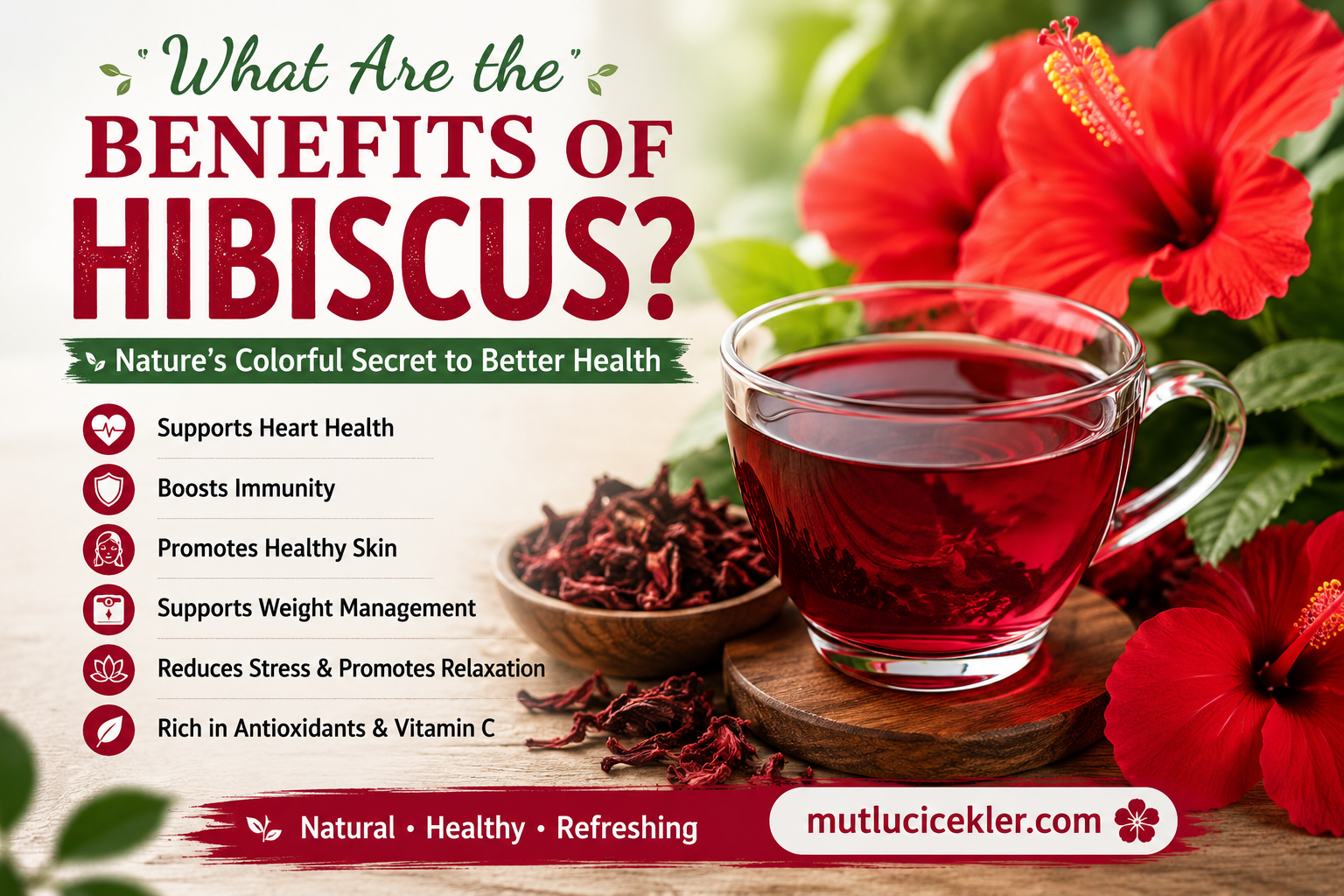
Powerful Health Benefits, Uses, and Hibiscus Tea Guide
Hibiscus is one of the most eye-catching flowers in nature with its vibrant red petals and refreshing aroma. Beyond its beauty, hibiscus has been used for centuries in herbal teas, traditional medicine, skincare, and wellness routines. Especially hibiscus tea has become increasingly popular worldwide thanks to its refreshing taste and impressive health benefits.
In this guide, you will discover the benefits of hibiscus, how to use it, possible side effects, and why this flower deserves a place in your daily routine.
🌺 What Is Hibiscus?
Hibiscus is a flowering plant belonging to the Malvaceae family. It grows mainly in tropical and subtropical climates. The most commonly used species for tea and wellness purposes is Hibiscus sabdariffa.
The flower is rich in:
- Antioxidants
- Vitamin C
- Polyphenols
- Anthocyanins
- Minerals
Its tart, cranberry-like flavor makes hibiscus tea both delicious and refreshing.
🌿 Top Health Benefits of Hibiscus
❤️ 1. Supports Heart Health
One of the most well-known benefits of hibiscus is its positive effect on heart health.
Studies suggest that hibiscus tea may help:
- Support healthy blood pressure levels
- Improve circulation
- Reduce bad cholesterol (LDL)
- Increase good cholesterol (HDL)
The antioxidants found in hibiscus help protect blood vessels from oxidative stress.
🍵 2. Rich in Antioxidants
Hibiscus contains powerful antioxidants called anthocyanins, which give the flower its deep red color.
Antioxidants may help:
- Fight free radicals
- Slow premature aging
- Protect cells from damage
- Support overall wellness
This makes hibiscus a great addition to an anti-inflammatory lifestyle.
🌞 3. Boosts the Immune System
Thanks to its high vitamin C content, hibiscus may help strengthen the immune system.
Regular consumption can:
- Support the body during seasonal changes
- Help fight fatigue
- Promote faster recovery
- Contribute to overall energy levels
A warm cup of hibiscus tea is especially comforting during colder months.
⚖️ 4. May Support Weight Management
Hibiscus tea is naturally low in calories and caffeine-free.
Some research suggests it may:
- Help reduce bloating
- Support metabolism
- Assist in fat metabolism
- Reduce sugar cravings
Combined with a healthy diet and active lifestyle, hibiscus can be a refreshing wellness drink.
🌸 5. Promotes Healthy Skin
The antioxidants and natural acids in hibiscus make it popular in skincare products.
Potential skin benefits include:
- Supporting collagen production
- Helping skin appear brighter
- Reducing signs of aging
- Improving skin elasticity
Some people even call hibiscus the “Botox plant” because of its skin-supporting properties.
😌 6. Helps Relax the Body
Hibiscus tea is naturally caffeine-free, making it an excellent evening drink.
It may help:
- Promote relaxation
- Reduce stress
- Calm the mind
- Support better sleep routines
Its soothing aroma also adds to the relaxing experience.
🍹 How to Use Hibiscus
Hibiscus can be enjoyed in different ways:
☕ Hibiscus Tea
The most popular method.
Simple Hibiscus Tea Recipe
Ingredients:
- 1 tablespoon dried hibiscus flowers
- 2 cups hot water
- Honey or lemon (optional)
Instructions:
- Add dried hibiscus flowers to hot water.
- Steep for 5–10 minutes.
- Strain and enjoy warm or cold.
🧊 Iced Hibiscus Drink
Perfect for summer days.
Add:
- Ice cubes
- Mint leaves
- Lemon slices
for a refreshing healthy beverage.
🌺 Hibiscus in Skincare
Hibiscus extract is commonly used in:
- Face masks
- Serums
- Natural skincare products
⚠️ Possible Side Effects of Hibiscus
Although hibiscus is generally safe for most people, moderation is important.
Some considerations:
- May lower blood pressure
- Pregnant women should consult a healthcare professional
- Excessive consumption may cause dizziness in sensitive individuals
- People taking medications should seek medical advice before regular use
🌍 Why Hibiscus Tea Is So Popular Worldwide
Hibiscus drinks are enjoyed across many cultures:
- Mexico: Agua de Jamaica
- Egypt: Karkade tea
- Caribbean countries: festive hibiscus beverages
- Africa and Asia: traditional herbal remedies
Its refreshing flavor and health benefits make it globally loved.
📌 Tips for Buying Quality Hibiscus
When purchasing hibiscus:
- Choose deep red dried petals
- Avoid products with artificial coloring
- Prefer organic options if possible
- Store in an airtight container away from sunlight
Fresh aroma and vibrant color usually indicate better quality.
🌺 Conclusion
Hibiscus is far more than just a beautiful flower. From supporting heart health and immunity to promoting glowing skin and relaxation, this vibrant plant offers many wellness benefits.
Whether enjoyed as a soothing hot tea or a refreshing iced drink, hibiscus can be a flavorful and healthy addition to your lifestyle.
Adding natural herbal drinks like hibiscus tea to your routine may help you feel refreshed, energized, and balanced every day.
❓ Frequently Asked Questions (FAQ)
Is hibiscus tea caffeine-free?
Yes, hibiscus tea naturally contains no caffeine.
Can hibiscus help with blood pressure?
Some studies suggest hibiscus may support healthy blood pressure levels.
How often can I drink hibiscus tea?
Many people enjoy 1–2 cups daily in moderation.
Is hibiscus good for skin?
Its antioxidants and vitamin C may help support healthier-looking skin.
Can I drink hibiscus tea cold?
Absolutely! Hibiscus tea tastes excellent both hot and iced.
🌱 Follow mutlucicekler.com for more herbal wellness guides, healthy recipes, plant care tips, and natural lifestyle inspiration!










Bir Cevap Yazın