

Mevlana Jalaluddin Rumi was a great Islamic scholar, poet, and Sufi mystic who lived in the 13th century. As one of the most prominent representatives of Sufi philosophy, Mevlana conveyed universal messages of love, tolerance, and spirituality to humanity. In this article, we will explore Mevlana’s life, Sufi philosophy, and the relevance of this philosophy in today’s world.
1. Mevlana’s Life
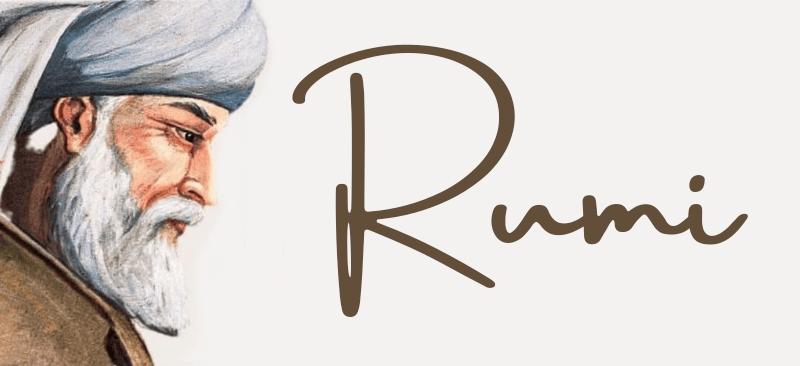
Mevlana Jalaluddin Rumi was born in 1207 in the city of Balkh, located in present-day Afghanistan. His father, Bahaeddin Veled, was a renowned religious scholar. Due to the Mongol invasion, his family migrated to Anatolia and settled in Konya. Mevlana received education in religious sciences, philosophy, and Sufism there.
A significant turning point in Mevlana’s life was his meeting with Shams-i Tabrizi. Shams profoundly transformed Mevlana’s spiritual world and deepened his Sufi thoughts. Mevlana spent the rest of his life advising people on love, tolerance, and spirituality until his death in Konya in 1273.
2. What is Sufi Philosophy?
Sufism is a discipline that deals with the spiritual dimension of Islam. Sufi philosophy aims to bring humans closer to God, purify the soul, and achieve inner peace. The fundamental principles of Sufism are:
- Divine Love: Sufism is based on deep love and devotion to God.
- Self-Discipline: It emphasizes controlling one’s ego and purifying oneself from negative traits.
- Spiritual Purification: Sufism advocates for a clean heart and a spiritual life.
- Tolerance and Love: Sufism encourages love and tolerance toward all people.
3. Mevlana’s Sufi Philosophy
Mevlana’s Sufi philosophy is built on love, tolerance, and spiritual quest. Here are the key elements of his philosophy:
a) Love and Divine Passion
Mevlana places divine love above all else. According to him, true love is the love for God. This love purifies humans from evil and elevates them spiritually. One of Mevlana’s most famous quotes is:
- “Come, come, whoever you are.”
b) Tolerance
Mevlana advises tolerance toward all people. He believes that love and respect should be shown to everyone, regardless of religion, language, or race. This understanding of tolerance remains a universal message even today.
c) Self-Discipline
Mevlana emphasizes the importance of disciplining the ego and purifying oneself from negative traits. According to him, humans ascend spiritually by controlling their ego.
d) Death and the Journey to Truth
Mevlana sees death not as an end but as a transition to the truth. For him, death is a return to one’s true homeland.
4. Mevlana’s Works
Mevlana’s most important works include:
a) Masnavi
The Masnavi is Mevlana’s most famous work. Consisting of 25,700 couplets, this masterpiece conveys Sufi teachings through stories and symbols. The Masnavi is regarded as the “Holy Book of Sufism.”
b) Divan-e Kabir
Divan-e Kabir is a collection of Mevlana’s poems. This work explores themes of divine love, passion, and spiritual quest.
c) Fihi Ma Fih
Fihi Ma Fih is a compilation of Mevlana’s discourses. This book contains Sufi topics and advice on daily life.
d) Mektubat (Letters)
Mektubat includes letters written by Mevlana to various individuals. These letters reflect his understanding of tolerance and love.
5. Mevlana’s Relevance Today
Mevlana’s teachings hold great significance not only in the 13th century but also in today’s world. Here is why Mevlana remains relevant:
a) Universal Love and Tolerance
Mevlana’s messages of love and tolerance promote peace and understanding among people of different cultures and beliefs.
b) Spiritual Quest
For those experiencing spiritual emptiness in the modern world, Mevlana’s teachings offer guidance in the search for inner peace and meaning.
c) Cultural Heritage
Mevlana is one of the most important representatives of Islamic culture and civilization. His works and philosophy continue to attract global interest.
6. Mevlana’s Teachings
Mevlana’s teachings serve as a guiding light for humanity. Here are some of his notable quotes:
- “Either appear as you are, or be as you appear.”
- “Yesterday is gone, my dear friend, today we must speak of new things.”
- “A human is an eye; the rest is flesh. The value of a human lies in what they see.”
Conclusion
Mevlana Jalaluddin Rumi is one of the greatest representatives of Sufi philosophy. His teachings, rooted in love, tolerance, and spiritual quest, hold universal value even today. Mevlana’s works and philosophy continue to guide humanity toward inner peace, harmony, and understanding.


Bir Cevap Yazın