

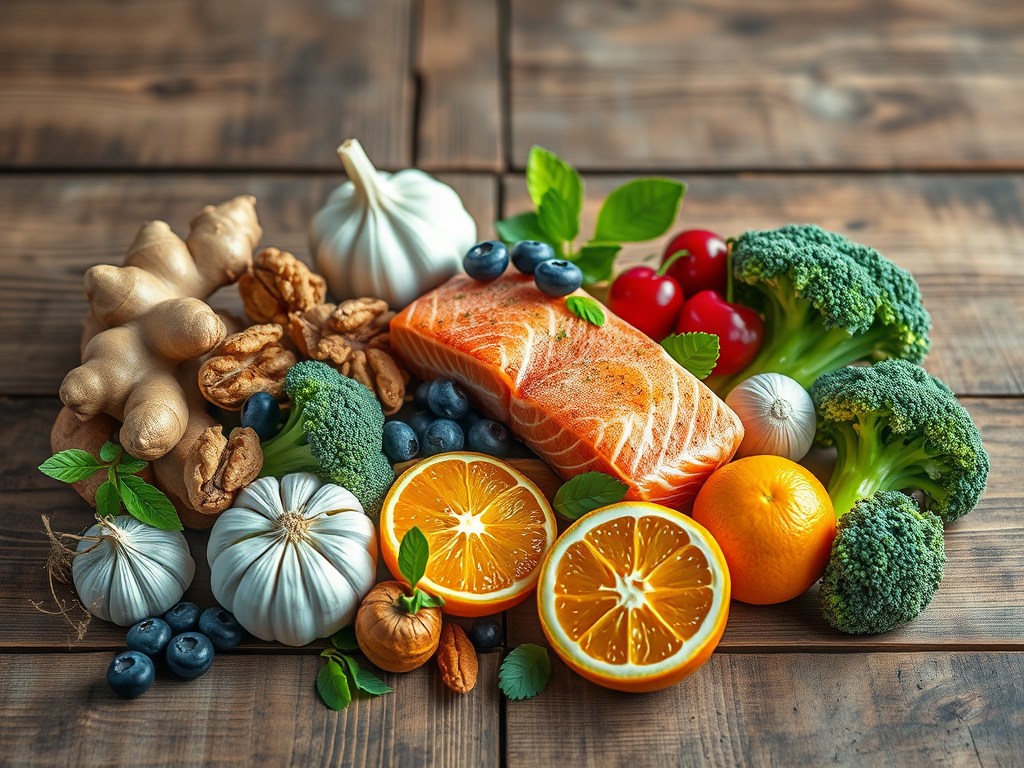
Headaches, muscle soreness and joint pain arise from many different causes. A balanced eating pattern supports general health, but no food reliably works like a painkiller for every person or condition. Some supplements have been studied for inflammation, yet research outcomes are mixed and often cannot be directly applied to ordinary servings of food. Here are 10 nutritious choices, their possible roles and the limitations of the evidence.
1. Ginger
Ginger adds a distinctive flavor to meals and drinks. Researchers have studied concentrated ginger products for certain joint and muscle symptoms, but the NIH National Center for Complementary and Integrative Health (NCCIH) says benefits remain uncertain. Eating ginger is not an established treatment for chronic pain. Supplements may cause side effects or interact with medications.
2. Garlic
Garlic belongs to the allium family and contributes flavor to many cuisines. Its compounds are studied in laboratory research, but a normal portion of garlic has not been established as a treatment for back pain, headache or arthritis. High-dose garlic products may raise concerns for people using certain medicines, including anticoagulants.
3. Blueberries
Blueberries provide fiber and colorful plant compounds. Fruit variety is a valuable part of eating well, but a serving of blueberries is not proven to stop joint pain. Prefer whole fruit or unsweetened frozen berries over products with large amounts of added sugar.
4. Salmon and other oily fish
Salmon, sardines and similar fish can provide omega-3 fats such as EPA and DHA. Certain omega-3 supplements have shown modest benefits for some rheumatoid arthritis symptoms in research, but results do not mean fish treats all types of pain. Consider allergies and guidance on fish choices for pregnancy.
5. Walnuts
Walnuts offer unsaturated fats and plant-based omega-3 ALA, which is not identical to marine EPA and DHA. They can be part of a balanced diet when allergies and portion sizes are considered. A walnut snack should not be described as a clinical pain remedy.
6. Tart cherries
Researchers have investigated tart cherry products in exercise recovery and other contexts. Findings vary by study design, dose and product, so results should not be generalized to everyone with chronic pain. Check the sugar content of concentrated juices and sweetened drinks.
7. Turmeric
Turmeric contains curcumin and is common in cooking. NCCIH notes insufficient evidence for many claims about turmeric supplements and musculoskeletal conditions. Some high-dose, enhanced-bioavailability supplements have been associated with liver injury. Normal culinary use and concentrated supplements are not equivalent exposures.
8. Olive oil
Olive oil supplies unsaturated fats and fits well into Mediterranean-style eating patterns. It does not follow that drinking oil will cure a headache, back pain or joint inflammation. Use appropriate amounts as part of meals rather than as a stand-alone treatment.
9. Broccoli
Broccoli is a cruciferous vegetable containing fiber and vitamins. Its compounds have been studied, but there is no sound basis for calling an ordinary serving a reliable pain reliever. Eating different vegetables is more useful than relying on one “superfood.”
10. Oranges
Oranges contribute vitamin C and water. Vitamin C participates in normal tissue processes, but eating an orange cannot be expected to end pain or reverse an inflammatory disease. Whole fruit also differs nutritionally from sweetened fruit beverages.
How can these foods fit into daily meals?
- Include a range of vegetables and fruits across the week.
- Choose suitable protein foods, legumes and, if appropriate, oily fish.
- Use unsaturated oils rather than expecting them to treat symptoms.
- Select unsalted nuts or seeds in reasonable portions if safe for you.
- Review medications and medical conditions before taking concentrated supplements.
When should pain be assessed?
Unexplained new severe pain, chest pain, sudden weakness, speech difficulty, severe headache with fever or pain after significant injury may require urgent medical care. Persistent or recurring pain also needs an appropriate assessment. Diet is not a reason to stop prescribed medication or avoid diagnosis.
Frequently asked questions
What is the fastest pain-relieving food? There is no single food proven to rapidly and reliably relieve all pain.
Do turmeric and ginger supplements work like medicines? No. Evidence is limited or mixed, and products may have risks.
Can healthy eating support someone with chronic pain? It can support overall health and may be part of an individualized care plan, but it does not replace treatment.
Conclusion
These 10 foods can contribute to dietary variety and essential nutrients. Their value should not be inflated into promises of pain relief. Look at the whole eating pattern, the reason for the pain and any medical advice.


Bir yanıt yazın