
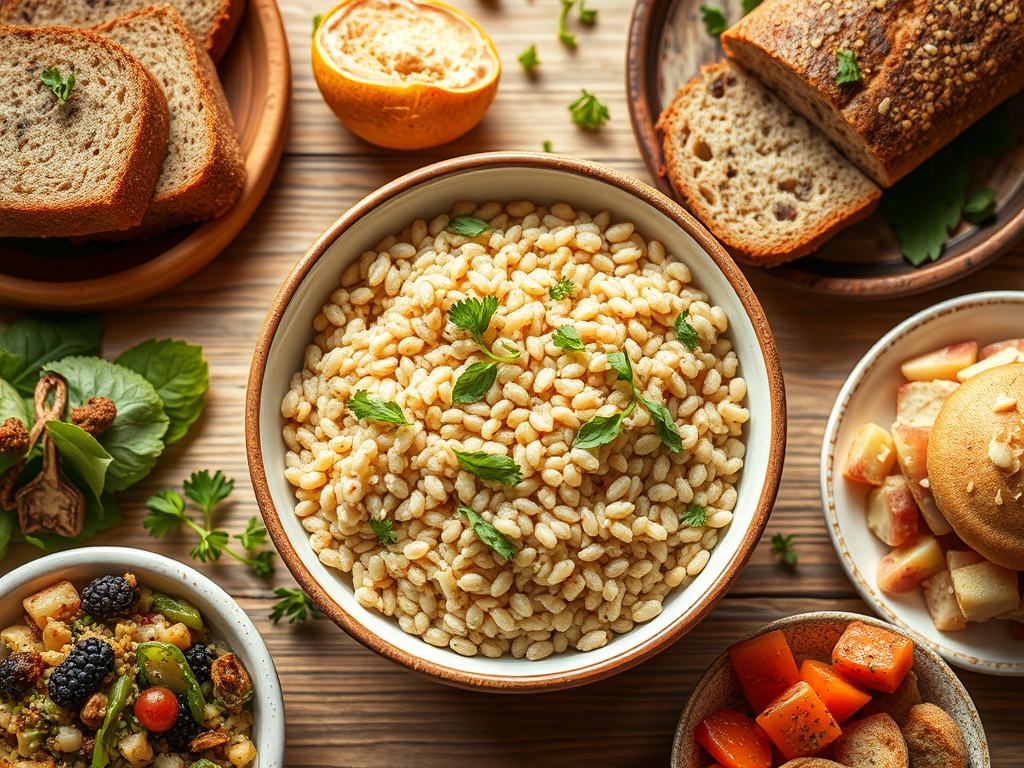
Buckwheat has recently become one of the most popular foods in healthy eating trends. Although its name includes “wheat,” it is not a type of wheat and is naturally gluten-free. Rich in antioxidants, fiber, and vitamins, buckwheat offers numerous health benefits. So, what are the benefits of buckwheat, and how can it be used? Here’s a detailed guide:
Buckwheat Benefits
1️⃣ Supports Heart Health ❤️
Buckwheat contains flavonoids and antioxidants that help maintain heart health. It can regulate blood pressure and support vascular function.
2️⃣ Regulates Blood Sugar 🍬
With its low glycemic index, buckwheat prevents sudden spikes in blood sugar, making it ideal for people with diabetes.
3️⃣ Improves Digestive System 🌾
Its high fiber content aids digestion, reduces constipation, and promotes overall gut health.
4️⃣ Rich in Antioxidants 💪
Buckwheat contains powerful antioxidants like rutin and quercetin, which protect cells against free radicals, strengthen the immune system, and reduce aging effects.
5️⃣ Helps with Weight Management ⚖️
Its satiating properties keep you full for longer periods, making it a perfect addition to weight control diets.
6️⃣ Packed with Minerals and Vitamins 🥗
Buckwheat is rich in magnesium, manganese, copper, and B vitamins, supporting energy production and metabolism.
How to Use Buckwheat
Buckwheat can be incorporated into your diet in various ways:
- Boiled: Can be eaten for breakfast or added to salads.
- As flour: Gluten-free bread, cakes, and cookies can be made with buckwheat flour.
- In soups and pilafs: A healthy alternative to accompany main dishes.
- As a snack: Roasted buckwheat can be added to yogurt or smoothies.
When cooked, buckwheat has a light nutty flavor that enhances many dishes. It is especially ideal for gluten-free diets.
🔹 Conclusion
Buckwheat is an essential part of healthy nutrition. It supports heart health, regulates blood sugar, aids digestion, and helps with weight management. Its gluten-free nature and versatility in cooking make it one of the most popular ingredients in modern kitchens. Regular consumption provides energy, strengthens immunity, and has a positive impact on overall health.
🔹 Frequently Asked Questions (FAQ)
1. Does buckwheat contain gluten?
No, it is completely gluten-free.
2. How much buckwheat should I consume daily?
30-50 grams per day is sufficient.
3. Who can consume buckwheat?
Everyone can safely eat it, especially people with diabetes or gluten intolerance.
4. Is buckwheat tea beneficial?
Yes, it is rich in antioxidants and supports the immune system.
5. Can buckwheat be eaten raw?
Eating it raw may be hard to digest, so it’s better to consume it boiled or roasted.
✨ Follow Us: For more tips on healthy eating and natural foods, follow our page!


Bir Cevap Yazın