
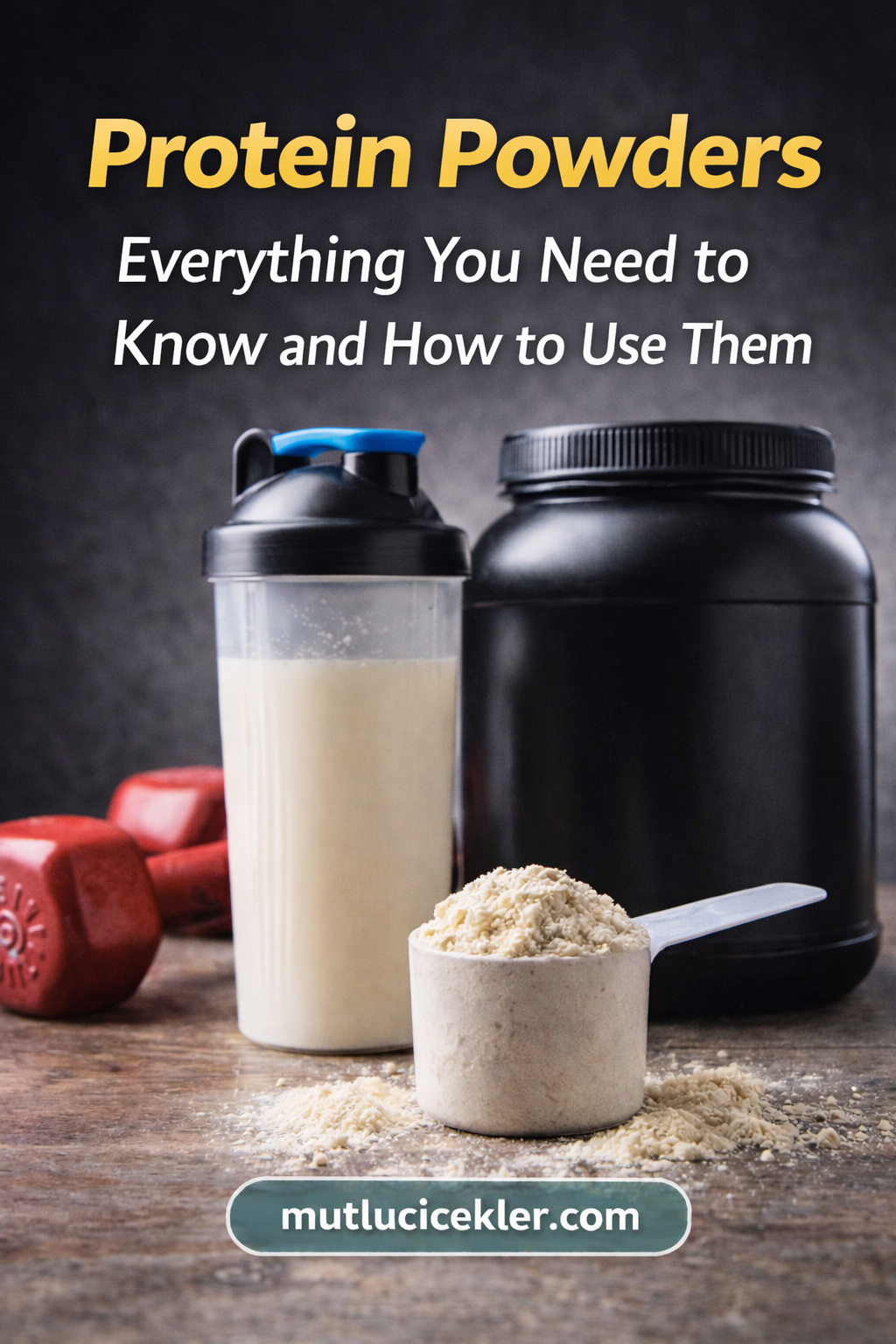
Protein powders have become one of the most popular supplements among people who work out, want to build muscle, or simply struggle to meet their daily protein needs through food alone. However, there are also many myths and misunderstandings surrounding protein supplements.
In this comprehensive guide, you’ll learn what protein powders are, how they work, who should use them, and how to choose and consume them correctly.
🧬 What Is Protein Powder?
Protein powder is a concentrated form of protein derived from various sources and processed into a convenient powder form. It is commonly used to support daily protein intake and muscle recovery.
Common types of protein powders include:
- Whey Protein – Fast-digesting and ideal for post-workout recovery.
- Casein Protein – Slowly digested, providing long-lasting amino acid release.
- Plant-Based Protein (pea, rice, soy, etc.) – Great for vegans or people with dairy intolerance.
- Protein Blends – Combine multiple protein sources for balanced absorption.
🏋️ What Does Protein Powder Do?
Protein powders mainly help supply amino acids, which are essential for muscle repair and overall body function. When used properly, they can:
- Support muscle growth and maintenance
- Help recovery after exercise
- Make it easier to meet daily protein targets
- Increase satiety and help control appetite
Remember: protein powder is a supplement, not a replacement for whole foods.
👤 Who Can Use Protein Powder?
Protein powders may be suitable for:
- People who exercise regularly
- Individuals aiming to build or maintain muscle mass
- Busy people who struggle to eat enough protein
- Vegans or vegetarians needing additional protein sources
If you have any health concerns, consult a healthcare professional before using supplements.
⏰ When Should You Take Protein Powder?
Timing depends on your goals:
🥤 After a Workout
The most common time to consume protein powder, especially whey protein, to support muscle recovery.
🌅 At Breakfast
Helps increase protein intake after overnight fasting.
🌙 Before Bed
Casein protein can provide a slow release of amino acids during sleep.
⚖️ How Much Protein Powder Should You Take?
Protein needs vary based on body weight, activity level, and goals.
General guidelines:
- Sedentary adults: about 0.8–1 g protein per kg body weight
- Active individuals: 1.4–2 g protein per kg body weight
Protein powder should only be used to fill the gap when dietary protein is not enough.
🚫 Common Myths About Protein Powder
❌ “Protein powder damages kidneys.”
➡️ In healthy individuals, moderate use is generally safe.
❌ “Only bodybuilders need protein powder.”
➡️ Anyone with higher protein needs may benefit.
❌ “Protein powder builds muscle by itself.”
➡️ Exercise and proper nutrition are essential for results.
🥗 Natural Food Sources of Protein
Protein powder is optional. Whole food sources include:
- Chicken, turkey, fish
- Eggs
- Yogurt and cheese
- Legumes and beans
- Nuts and seeds
Whole foods should always be your primary protein source.
⚠️ What to Look for When Choosing a Protein Powder
- Short and clear ingredient list
- Low added sugar
- Minimal unnecessary additives
- Trusted and reputable brands
✨ Final Thoughts
Protein powders can be a practical and effective way to support your nutrition and fitness goals when used correctly. However, they are not magic products — consistent training, balanced eating, and a healthy lifestyle remain the foundation of real results.
❓ Frequently Asked Questions (FAQ)
Does protein powder make you gain weight?
Only if it causes you to consume more calories than you burn.
Can I use protein powder every day?
Yes, if it helps you meet your daily protein needs.
Is protein powder safe?
For healthy individuals, moderate and responsible use is generally considered safe.
Can women use protein powder?
Absolutely. Protein needs are based on activity level, not gender.
Follow us for more fitness and nutrition tips 🌿
mutlucicekler.com




Bir Cevap Yazın