

Introduction
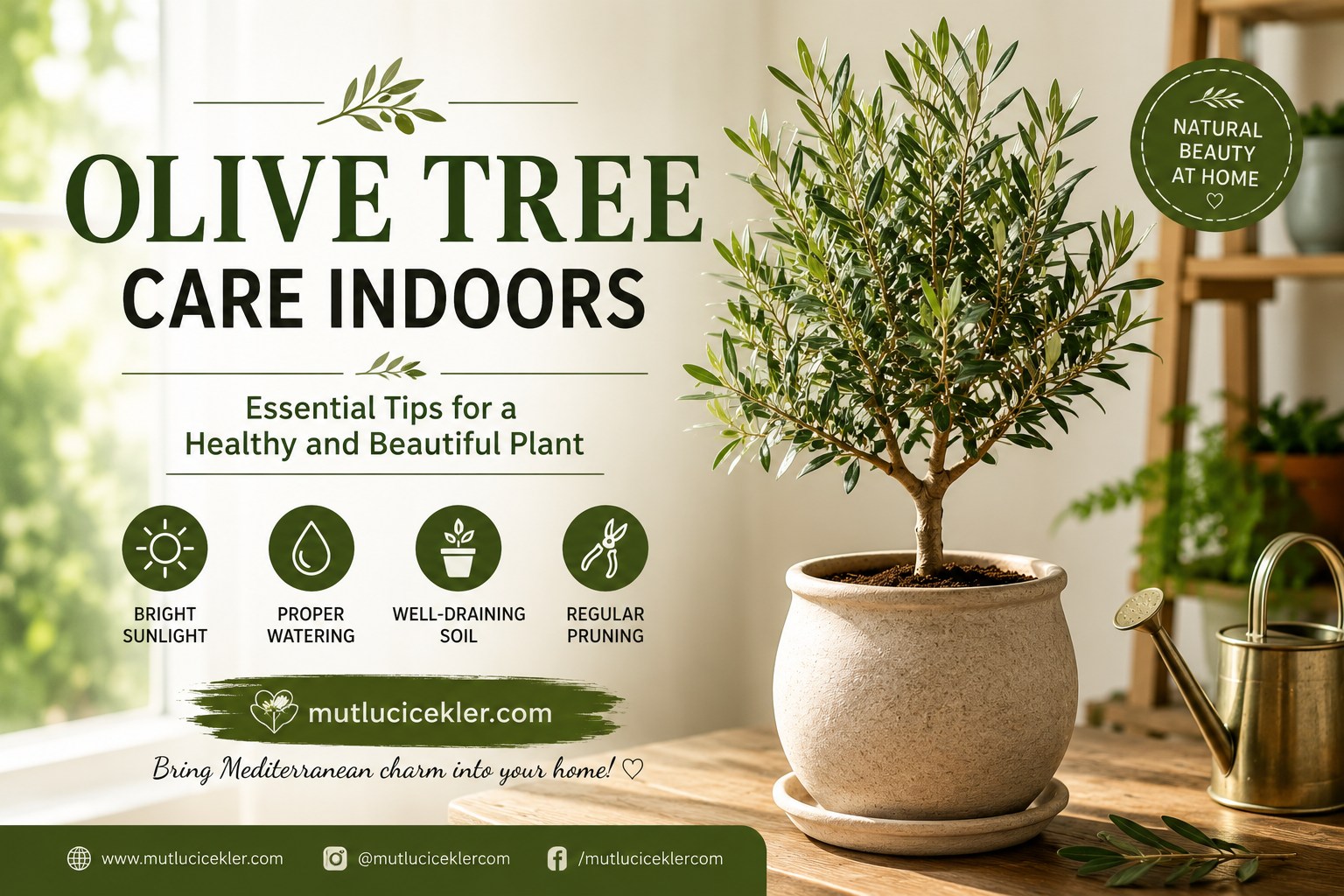
The olive tree is one of the most elegant and timeless plants you can grow indoors. With its silvery-green leaves, Mediterranean charm, and low-maintenance nature, an olive tree can instantly transform your living space into a peaceful and stylish environment. Whether you live in a small apartment or a spacious home, growing an olive tree indoors is possible with the right care techniques.
In this guide, you’ll discover everything you need to know about indoor olive tree care, including watering, sunlight, pruning, soil selection, common problems, and expert tips for long-term growth.
Why Choose an Olive Tree for Your Home? 🌿
Indoor olive trees are becoming increasingly popular because they offer both decorative beauty and practical benefits.
Benefits of Growing Olive Trees Indoors
- 🌞 Adds a Mediterranean aesthetic to your home
- 🌱 Easy to maintain compared to many houseplants
- 🍃 Air-purifying properties help freshen indoor spaces
- 🪴 Perfect for minimalist and modern interior design
- 🌿 Long lifespan with proper care
- 🐾 Generally safe around pets when properly maintained
Popular indoor varieties include:
- Arbequina Olive Tree
- Mission Olive Tree
- Little Ollie Dwarf Olive
Best Lighting Conditions for Indoor Olive Trees ☀️
Lighting is the most important factor when caring for an indoor olive tree.
How Much Sunlight Does an Olive Tree Need?
Olive trees thrive in bright, direct sunlight and require at least:
- 6–8 hours of direct sunlight daily
The best placement options include:
- South-facing windows
- Bright balconies
- Sunrooms
- Near large glass doors
If your home lacks natural light, consider using:
- LED grow lights
- Full-spectrum plant lamps
Signs Your Olive Tree Needs More Light
- Yellowing leaves
- Slow growth
- Drooping branches
- Leaf drop
Choosing the Right Pot and Soil 🪴
Proper drainage is essential for olive trees because they dislike overly wet roots.
Best Pot for Olive Trees
Choose pots with:
- Drainage holes
- Terracotta or ceramic material
- Enough depth for root growth
Terracotta pots are highly recommended because they help excess moisture evaporate naturally.
Best Soil Mix
Olive trees prefer:
- Well-draining soil
- Slightly sandy texture
- Neutral to slightly alkaline pH
Ideal Soil Combination
- Potting soil
- Perlite
- Sand
- Small gravel
Avoid heavy garden soil that retains too much water.
How Often Should You Water an Olive Tree? 💧
Overwatering is one of the most common mistakes in olive tree care.
Watering Tips
- Water only when the top 2 inches of soil feel dry
- Reduce watering during winter
- Never leave water sitting in the tray
Seasonal Watering Guide
| Season | Watering Frequency |
|---|---|
| Spring | Moderate |
| Summer | More frequent |
| Autumn | Reduce slightly |
| Winter | Minimal watering |
Signs of Overwatering
- Yellow leaves
- Root rot
- Mushy soil
- Fungal smell
Signs of Underwatering
- Dry, curling leaves
- Brittle branches
- Leaf drop
Temperature and Humidity Requirements 🌡️
Olive trees love warm and dry climates similar to the Mediterranean environment.
Ideal Indoor Temperature
- 60°F–75°F (15°C–24°C)
Avoid placing your tree near:
- Air conditioners
- Radiators
- Cold drafts
- Heating vents
Humidity Needs
Olive trees prefer:
- Low to moderate humidity
Too much humidity may increase fungal problems indoors.
Fertilizing Your Olive Tree 🌱
Indoor olive trees benefit from regular feeding during the growing season.
Best Fertilizer
Use:
- Balanced liquid fertilizer
- Slow-release fertilizer
- Organic Mediterranean plant food
Fertilizing Schedule
- Spring to early autumn: once every 4–6 weeks
- Winter: avoid fertilizing
Do not over-fertilize, as excessive nutrients may damage the roots.
Pruning and Shaping Tips ✂️
Pruning helps maintain the tree’s shape and encourages healthy growth.
When to Prune
The best time to prune is:
- Early spring
- Late winter
What to Remove
- Dead branches
- Weak stems
- Crossing branches
- Yellow leaves
Regular pruning also improves airflow and reduces disease risk.
Common Indoor Olive Tree Problems 🚨
1. Leaf Drop
Possible causes:
- Sudden temperature changes
- Lack of sunlight
- Overwatering
2. Yellow Leaves
Usually caused by:
- Excess water
- Poor drainage
- Nutrient deficiency
3. Pests
Indoor olive trees may occasionally attract:
- Spider mites
- Scale insects
- Mealybugs
Natural Pest Solutions
- Neem oil spray
- Mild soap solution
- Wiping leaves regularly
Can Olive Trees Produce Olives Indoors? 🫒
Yes, but it can be challenging.
Indoor olive trees may produce fruit if they receive:
- Enough direct sunlight
- Proper pollination
- Stable temperatures
However, many homeowners grow olive trees mainly for decorative purposes rather than fruit production.
Repotting an Indoor Olive Tree 🌿
Repot your olive tree every:
- 2–3 years
Signs it needs repotting:
- Roots growing through drainage holes
- Slow growth
- Soil drying too quickly
Choose a pot only slightly larger than the previous one to avoid excess moisture retention.
Decorative Styling Ideas for Indoor Olive Trees 🏡
Olive trees fit beautifully into many interior styles.
Best Design Styles
- Mediterranean decor
- Scandinavian interiors
- Minimalist homes
- Rustic spaces
- Modern boho aesthetics
Pair your olive tree with:
- Neutral ceramic pots
- Wooden furniture
- Linen textures
- Natural sunlight
Expert Tips for Healthy Olive Trees ⭐
- Rotate the pot regularly for even growth
- Clean dust from leaves monthly
- Avoid excessive watering
- Ensure excellent drainage
- Provide consistent sunlight daily
Healthy olive trees can live for decades when properly maintained.
Conclusion
Indoor olive trees are beautiful, low-maintenance plants that bring elegance and calmness into any home. With proper sunlight, careful watering, well-draining soil, and occasional pruning, your olive tree can thrive indoors for many years.
Whether you’re decorating a cozy apartment or creating a Mediterranean-inspired living space, an olive tree is a timeless addition that combines nature, beauty, and simplicity.
Frequently Asked Questions (FAQ)
Can olive trees survive indoors year-round?
Yes, olive trees can survive indoors if they receive enough direct sunlight and proper care.
Why are my olive tree leaves turning yellow?
Yellow leaves are commonly caused by overwatering or insufficient drainage.
How fast do indoor olive trees grow?
Indoor olive trees grow slowly to moderately depending on light and care conditions.
Do olive trees need direct sunlight?
Yes, they require at least 6–8 hours of direct sunlight daily.
Can I keep an olive tree in a small apartment?
Absolutely. Dwarf olive tree varieties are ideal for compact indoor spaces.
🌿 Follow MutluCicekler.com for more plant care guides, indoor gardening inspiration, and natural living tips from around the world!
Bir yanıt yazın