

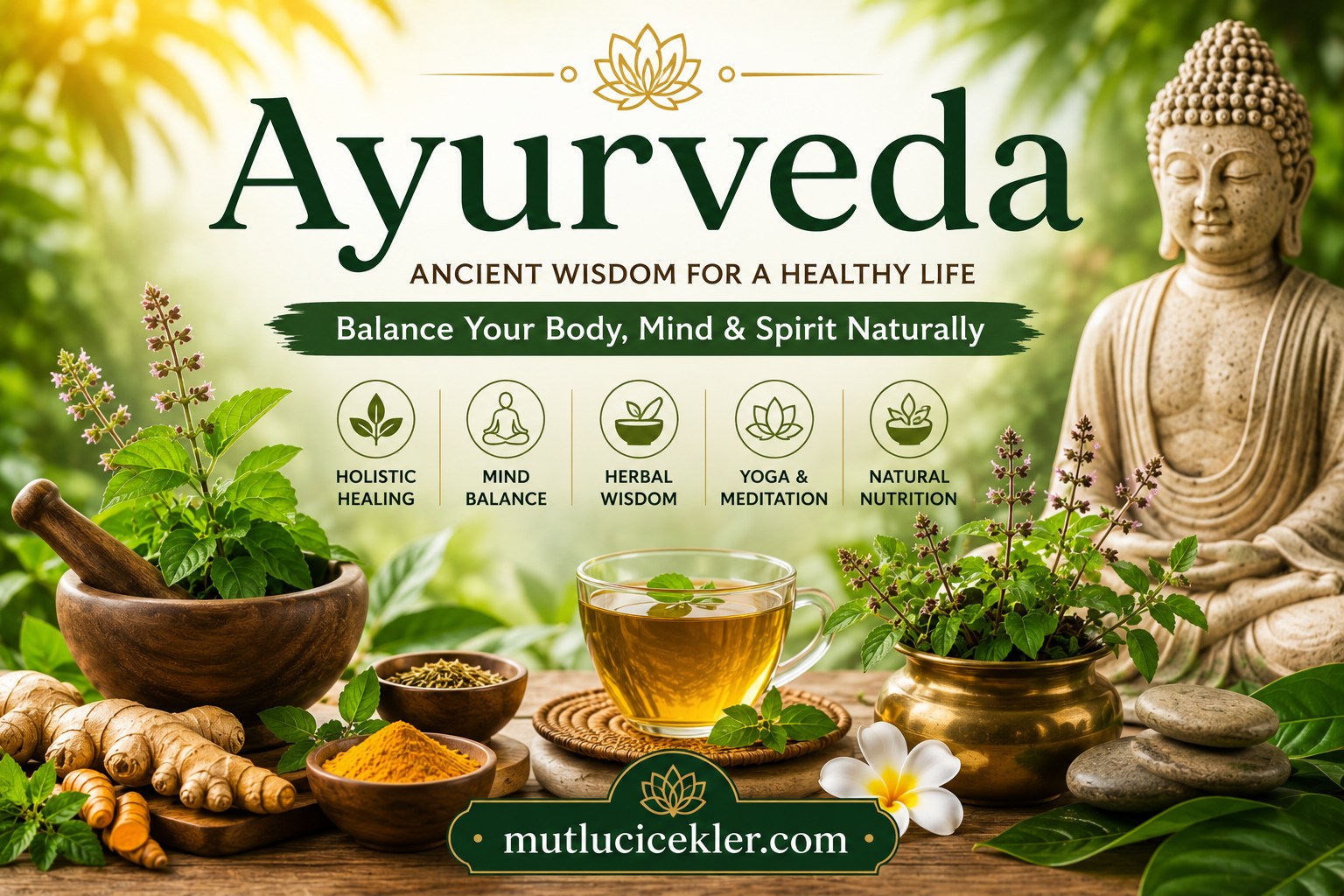
Ayurveda is one of the world’s oldest holistic wellness systems, originating in India thousands of years ago. More than just a traditional healing method, Ayurveda is a complete lifestyle philosophy focused on balancing the body, mind, and spirit.
Today, Ayurveda has become increasingly popular around the world thanks to the growing interest in natural living, mindfulness, herbal wellness, yoga, and holistic health practices.
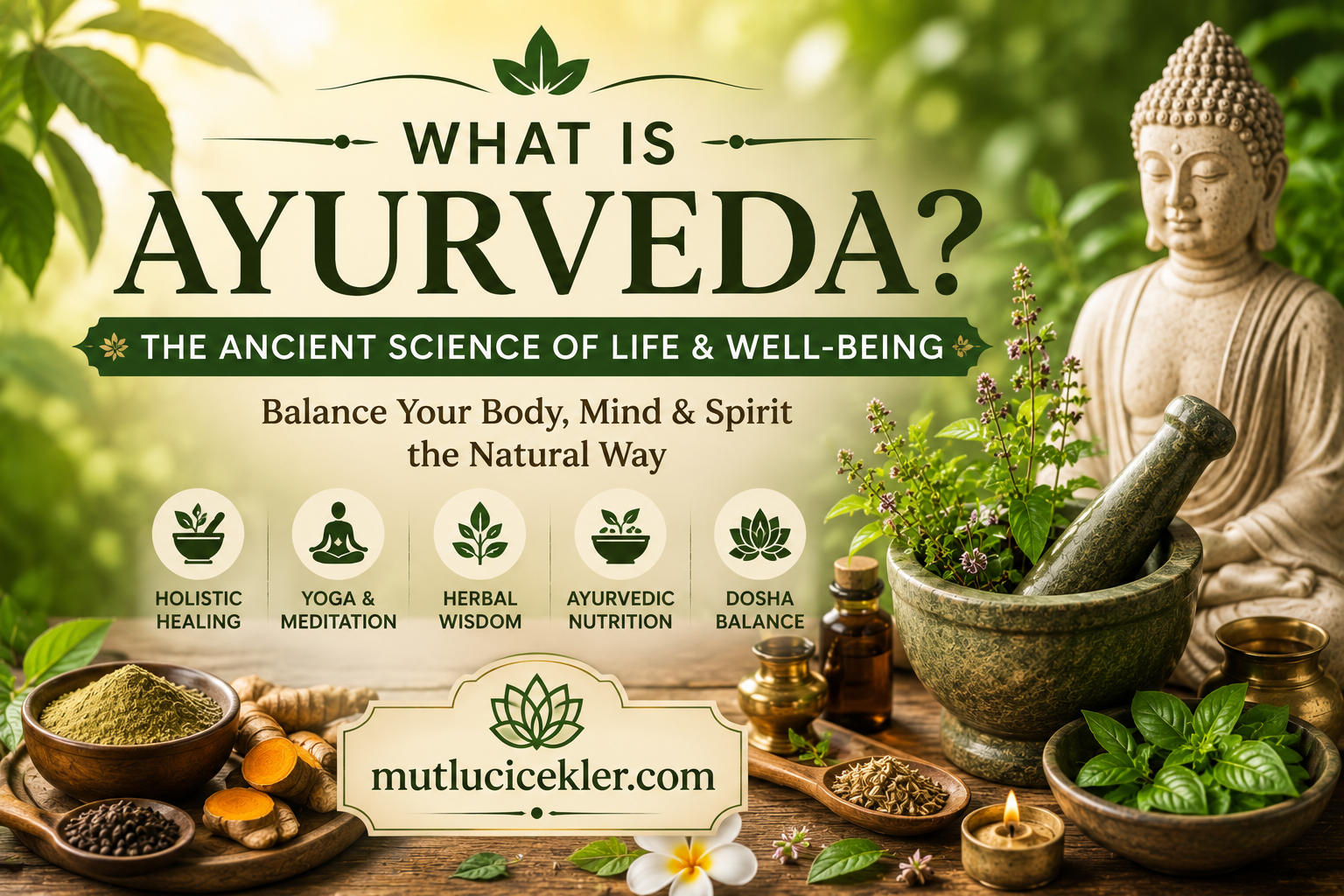
In this comprehensive guide, you’ll discover what Ayurveda is, its core principles, the famous dosha system, Ayurvedic herbs, nutrition, and how Ayurveda continues to influence modern wellness culture.
🌿 What Does Ayurveda Mean?
The word “Ayurveda” comes from Sanskrit:
- Ayur = Life
- Veda = Knowledge or Science
So Ayurveda literally means:
“The Science of Life.”
Ayurveda is believed to be more than 5,000 years old and is considered one of the oldest wellness traditions still practiced today.
According to Ayurveda, true health is achieved when the body, mind, emotions, and spirit exist in harmony.
🧘 The Core Philosophy of Ayurveda
Ayurveda views humans as deeply connected to nature. Just as balance exists in nature, balance should also exist within the human body.
Rather than focusing only on treating illness, Ayurveda emphasizes:
- prevention,
- healthy living,
- natural healing,
- daily balance,
- mental clarity,
- and emotional well-being.
Ayurvedic practices often include:
- herbal remedies,
- mindful eating,
- meditation,
- yoga,
- breathing exercises,
- massage therapies,
- and lifestyle adjustments.
The goal is to maintain harmony before imbalance turns into disease.
🔥 The Three Doshas in Ayurveda
One of the most well-known concepts in Ayurveda is the “dosha” system. According to Ayurvedic philosophy, every person contains three types of natural energies.
🌬️ Vata Dosha
Vata is associated with air and space elements.
Common Vata Traits:
- Creative thinking
- Fast movement
- Energetic personality
- Lightweight body type
Signs of Vata Imbalance:
- Anxiety
- Dry skin
- Restlessness
- Insomnia
🔥 Pitta Dosha
Pitta is connected with the fire element.
Common Pitta Traits:
- Strong metabolism
- Leadership qualities
- Intense focus
- Passionate personality
Signs of Pitta Imbalance:
- Anger
- Digestive discomfort
- Irritability
- Excess body heat
🌊 Kapha Dosha
Kapha relates to earth and water elements.
Common Kapha Traits:
- Calm nature
- Physical strength
- Stability
- Strong endurance
Signs of Kapha Imbalance:
- Fatigue
- Sluggishness
- Weight gain
- Low motivation
Ayurveda believes each person has a unique dosha balance that influences lifestyle, nutrition, personality, and wellness needs.
🌱 Popular Herbs Used in Ayurveda
Natural herbs play a major role in Ayurvedic traditions.
Common Ayurvedic Herbs:
- 🌿 Tulsi (Holy Basil)
- 🌿 Turmeric
- 🌿 Ginger
- 🌿 Neem
- 🌿 Ashwagandha
- 🌿 Brahmi
These herbs are commonly used in teas, oils, powders, wellness tonics, and natural self-care practices.
Tulsi, also called Holy Basil, is especially respected in Ayurveda for its calming and balancing qualities.
🍵 Ayurvedic Nutrition and Eating Habits
Ayurveda places great importance on nutrition and digestion.
According to Ayurvedic principles:
- food should be fresh,
- seasonal,
- balanced,
- and suited to your dosha type.
Common Features of Ayurvedic Nutrition:
- Warm meals
- Natural ingredients
- Digestive spices
- Mindful eating habits
- Minimal processed foods
Popular Ayurvedic spices include:
- turmeric,
- cinnamon,
- cumin,
- fennel,
- cardamom,
- and ginger.
🧘 Yoga and Meditation in Ayurveda
Mental wellness is just as important as physical health in Ayurveda.
For this reason, Ayurveda strongly encourages:
- yoga,
- meditation,
- breathwork,
- mindfulness,
- and relaxation practices.
Many people use Ayurvedic-inspired routines to reduce stress and improve emotional balance in modern daily life.
🌍 Ayurveda in Modern Wellness Culture
In recent years, Ayurveda has become globally recognized within:
- wellness communities,
- yoga culture,
- natural skincare,
- herbal medicine,
- holistic living,
- and mindfulness movements.
Many spas, retreats, and wellness centers around the world now incorporate Ayurvedic-inspired treatments and practices.
Ayurveda appeals to people seeking a slower, more intentional, and nature-connected lifestyle.
⚠️ Is Ayurveda Scientifically Proven?
Ayurveda is a traditional wellness system with thousands of years of historical use. Some Ayurvedic herbs and practices have been studied scientifically, while other methods still require more research.
Ayurveda should not replace professional medical care for serious health conditions.
Instead, many people view Ayurveda as a supportive lifestyle approach focused on balance, prevention, and overall wellness.
🌿 Potential Benefits of Ayurveda
People who follow Ayurvedic lifestyle practices often report benefits such as:
- Better stress management
- Improved daily routines
- Greater mindfulness
- Healthier eating habits
- Relaxation and emotional balance
- Improved sleep quality
- Stronger connection with nature
❓ Frequently Asked Questions (FAQ)
Is Ayurveda a religion?
No. Ayurveda is a wellness and lifestyle system, not a religion.
What is the most popular herb in Ayurveda?
Tulsi (Holy Basil) is one of the most respected Ayurvedic herbs.
Is Ayurveda completely natural?
Ayurveda mainly focuses on natural herbs, lifestyle practices, and holistic wellness.
Can Ayurveda help with weight management?
Ayurvedic nutrition and balanced routines may support healthy lifestyle habits.
Is Ayurveda still practiced today?
Yes. Ayurveda is widely practiced around the world, especially in wellness and holistic health communities.
🌱 Final Thoughts
Ayurveda is much more than an ancient healing system — it is a philosophy of balance, mindfulness, and natural living. By combining herbal traditions, healthy routines, meditation, nutrition, and self-awareness, Ayurveda continues to inspire millions of people seeking a healthier and more peaceful lifestyle.
As interest in holistic wellness grows worldwide, Ayurveda remains one of the most influential natural living traditions in modern wellness culture.
For more wellness guides, herbal living tips, and natural lifestyle inspiration, visit mutlucicekler.com 🌿


Bir yanıt yazın