

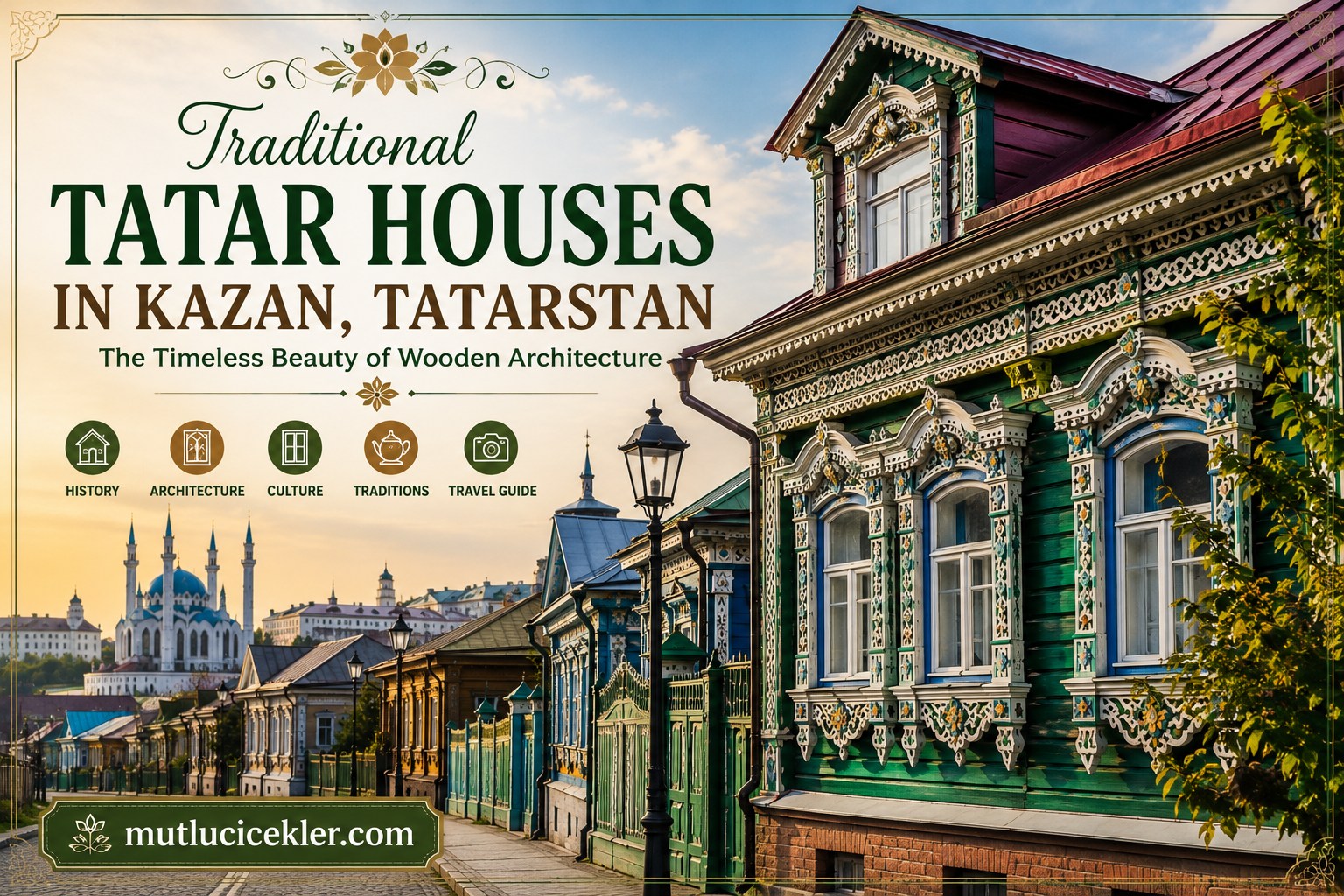
Located along the banks of the Volga River, Kazan — the capital of Tatarstan — is one of Russia’s most fascinating cultural destinations. Known for its rich history, Islamic heritage, and colorful architecture, the city also preserves one of the most beautiful examples of traditional wooden housing in Eastern Europe: the traditional Tatar house.
These charming homes, decorated with intricate wood carvings and vibrant window frames, reflect centuries of Tatar culture, craftsmanship, and family traditions. Walking through the old streets of Kazan feels like stepping into a living museum where history and daily life blend together beautifully.
In this guide, we’ll explore the architecture, history, cultural significance, and best places to see traditional Tatar houses in Kazan.
What Are Traditional Tatar Houses?
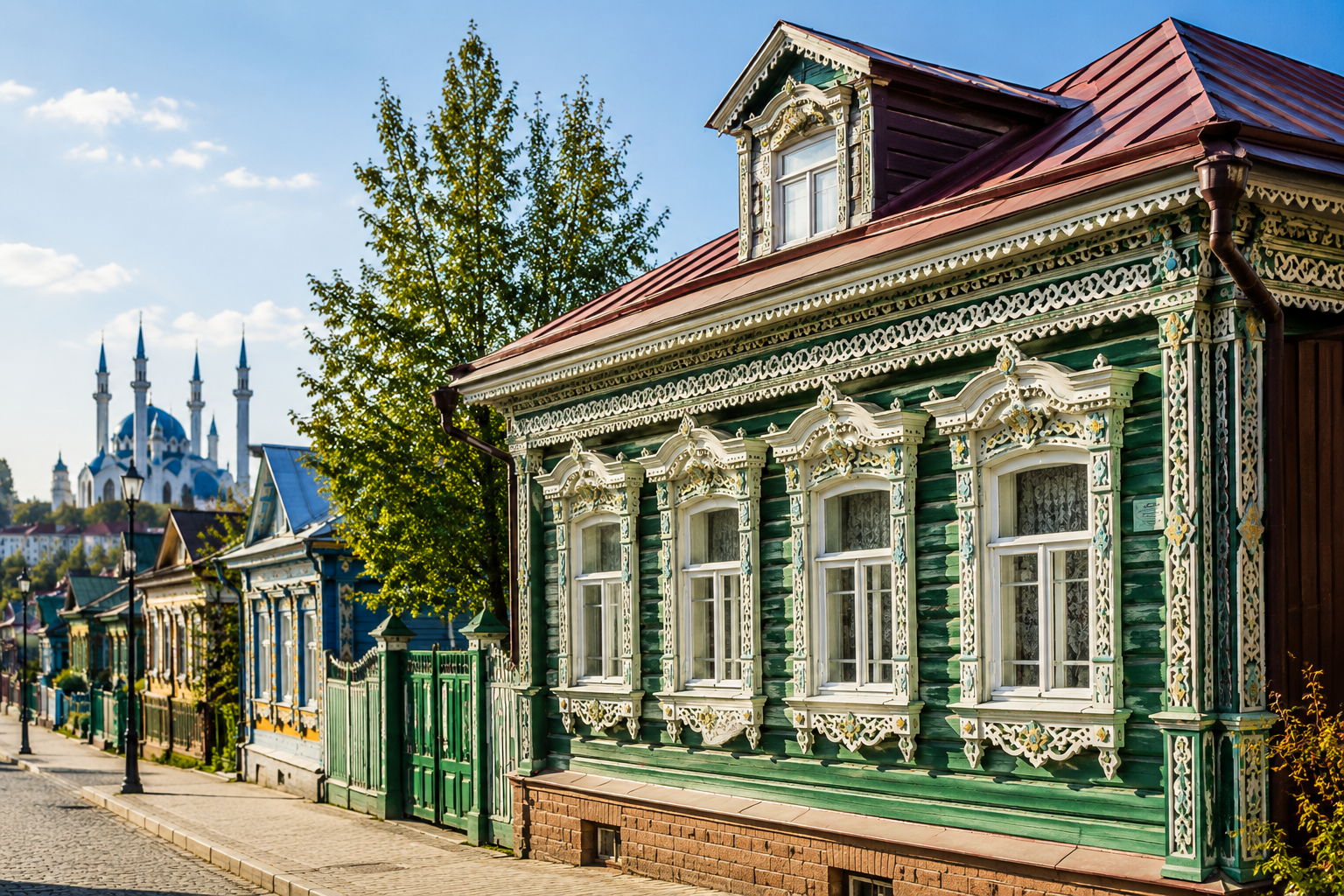
Traditional Tatar houses are mainly wooden homes built with decorative craftsmanship and practical designs suited to the harsh climate of the region. Most surviving examples date back to the 18th and 19th centuries.
These homes are famous for:
- 🪵 Detailed wooden carvings
- 🎨 Brightly painted facades
- 🪟 Decorative window frames
- 🕌 Islamic-inspired artistic elements
- 🏡 Spacious family-oriented layouts
- ❄️ Structures designed for cold winters
The architecture combines influences from Turkic traditions, Russian craftsmanship, and local Volga culture.
The History Behind Tatar Houses
The history of Tatar architecture in Kazan goes back centuries, shaped by the Volga Bulgars, the Golden Horde, and the Kazan Khanate. Over time, Tatar communities developed a unique architectural style that reflected both practicality and artistic expression.
As Kazan grew into an important cultural and trading center:
- Woodworking became highly advanced
- Decorative motifs became more elaborate
- Courtyard-style homes became common
- Guest rooms gained cultural importance
For Tatar families, a house was not simply a place to live — it symbolized hospitality, tradition, and family unity.
Architectural Features of Traditional Tatar Homes
🪵 Intricate Wooden Carvings
One of the most recognizable features of Tatar houses is the elaborate woodwork surrounding the windows and rooflines.
These carvings often include:
- Floral motifs
- Geometric patterns
- Sun symbols
- Protective folk designs
Many homes look like handcrafted works of art thanks to these detailed decorations.
🎨 Colorful Facades
Traditional Tatar houses are known for their vibrant colors. Common shades include:
- Blue
- Green
- Turquoise
- Yellow
- White
These bright colors were believed to symbolize warmth, harmony, and connection with nature.
🏡 Courtyard Living
Many old Tatar homes include small inner courtyards used for:
- Family gatherings
- Tea ceremonies
- Cooking preparations
- Children’s activities
The courtyard lifestyle remains an important part of Tatar culture today.
Best Places to See Traditional Tatar Houses in Kazan
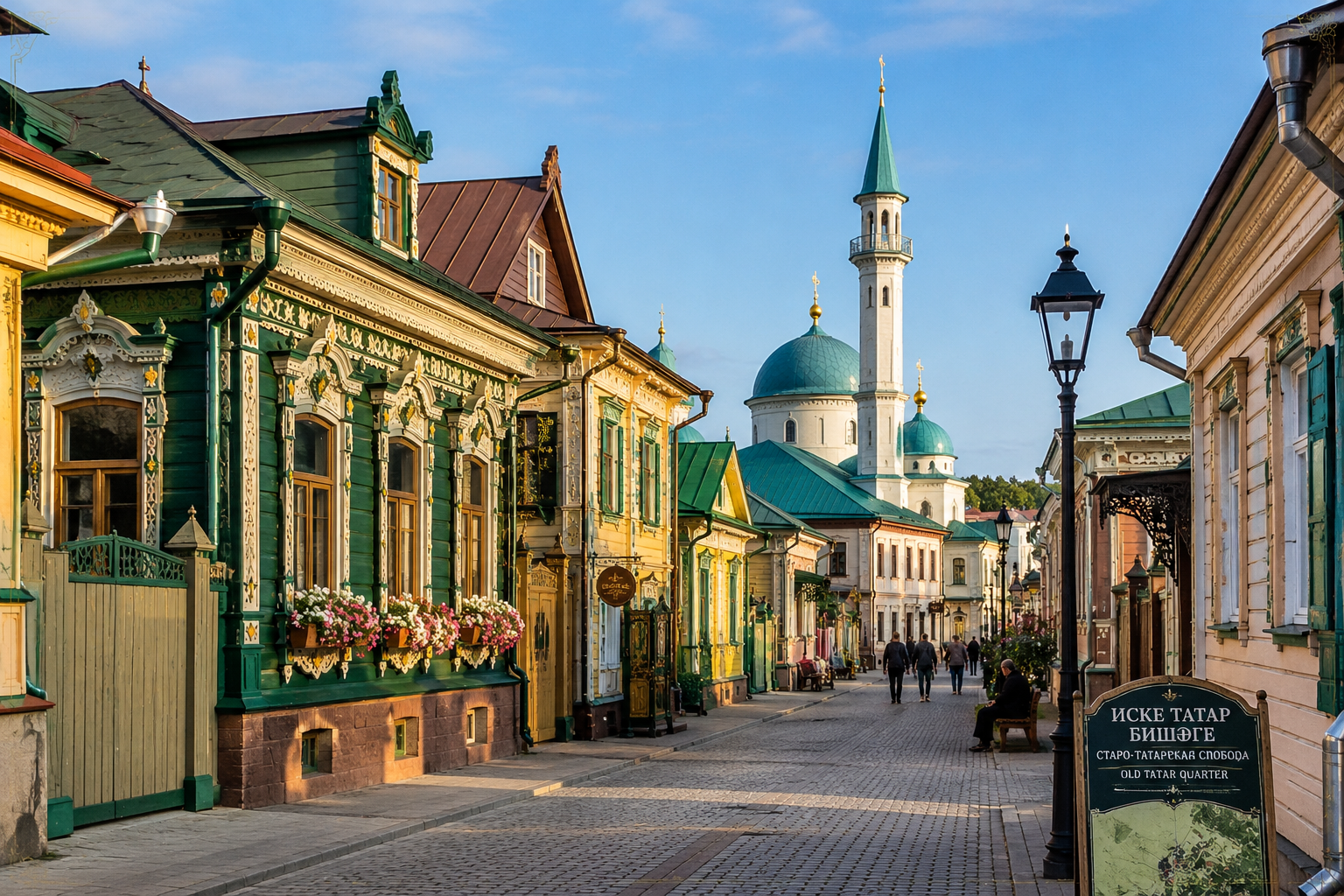
🕌 Old Tatar Quarter (Staro-Tatarskaya Sloboda)
The Old Tatar Quarter is the most famous historic district in Kazan. Visitors can explore:
- Restored wooden houses
- Historic Tatar mansions
- Traditional streets
- Beautiful mosques
Walking through this area offers one of the most authentic cultural experiences in the city.
🌿 Kayum Nasyri Street
This charming street is one of the best places to admire traditional Tatar architecture. Its peaceful atmosphere and colorful houses make it especially popular among photographers and history lovers.
🏛️ Around the National Museum of Tatarstan
The surroundings of the museum also feature several preserved historical buildings showcasing elements of traditional Tatar design.
Daily Life Inside Traditional Tatar Homes
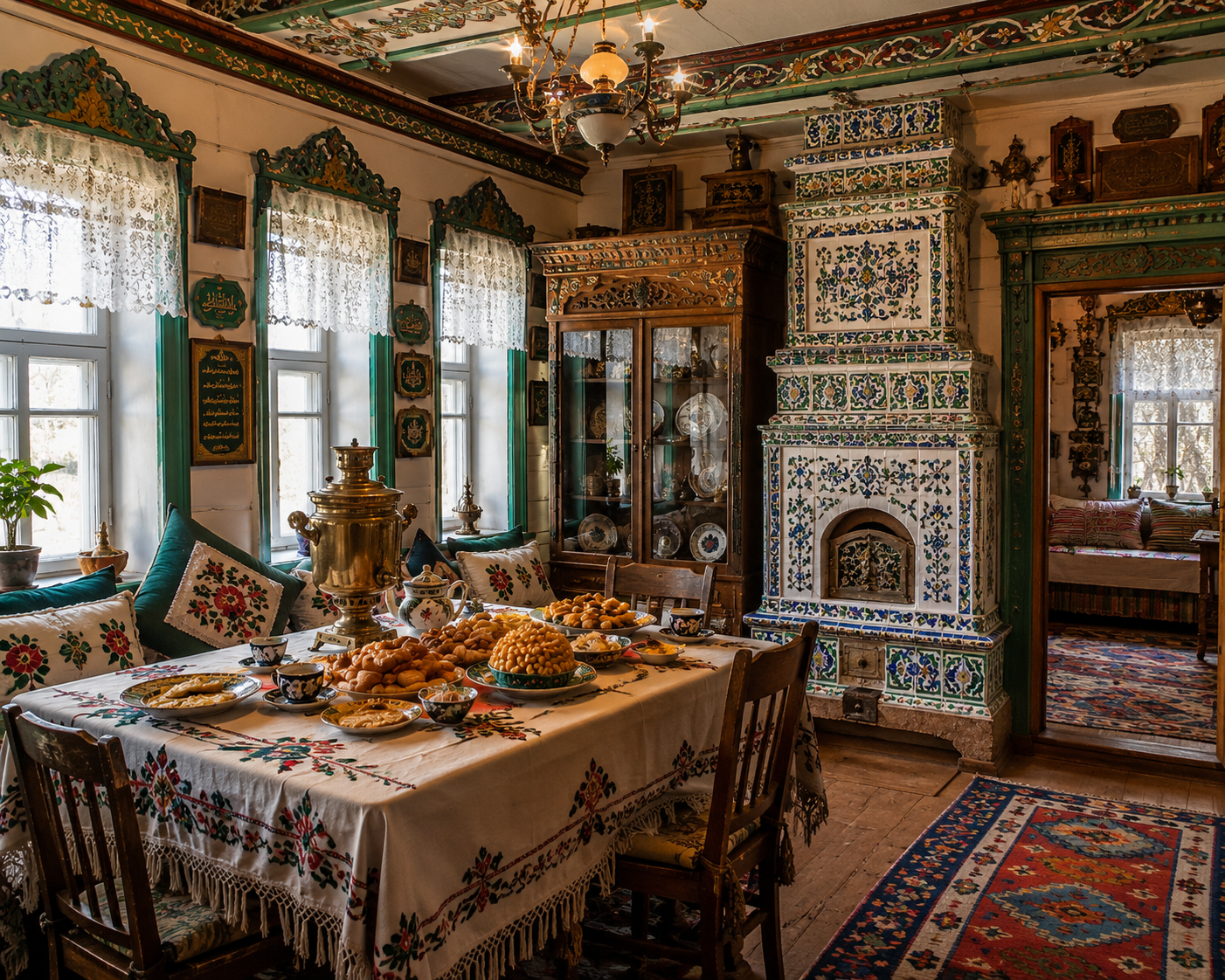
Family life plays a central role in Tatar culture, and homes were designed to accommodate large families and guests.
Typical interior elements include:
- Large dining tables
- Guest rooms
- Handwoven carpets
- Wooden chests
- Embroidered textiles
Tea culture is also extremely important. Gathering around a samovar for tea remains one of the most beloved Tatar traditions.
Traditional Tatar Cuisine
Traditional Tatar homes are closely connected with rich culinary traditions. Some famous dishes include:
- 🥟 Chak-Chak
- 🥧 Echpochmak
- 🍲 Traditional soups
- 🥯 Peremech
- 🍖 Meat-filled pastries
Hospitality and sharing meals are essential parts of Tatar culture.

Best Time to Visit Kazan
The best seasons to explore Kazan and its traditional neighborhoods are:
- 🌸 Spring
- ☀️ Early summer
- 🍂 Autumn
Winter can also be magical with snow-covered streets, although temperatures can become extremely cold.
Travel Tips for Visiting Kazan
✅ Explore the Old Tatar Quarter on foot
✅ Photograph the colorful wooden houses
✅ Try traditional Tatar tea
✅ Visit local markets
✅ Taste authentic Tatar cuisine
✅ Discover Kazan’s historic mosques
Conclusion
Traditional Tatar houses in Kazan are more than historical buildings — they are living symbols of culture, craftsmanship, and family heritage. Their colorful wooden facades, intricate details, and warm atmosphere create an unforgettable experience for visitors.
If you want to discover a unique blend of Turkic culture, Islamic heritage, and beautiful architecture, Kazan’s traditional Tatar neighborhoods should absolutely be on your travel list.
Frequently Asked Questions (FAQ)
What are traditional Tatar houses made of?
Most traditional Tatar homes are built from wood, making them well-suited for the cold climate of the region.
Where can I see traditional Tatar houses in Kazan?
The Old Tatar Quarter is the best-known area for viewing traditional Tatar architecture.
What makes Tatar houses unique?
Their colorful facades, carved wooden decorations, and blend of Turkic and Russian influences make them unique.
Is Kazan worth visiting in winter?
Yes, Kazan becomes very picturesque in winter, though temperatures can be extremely cold.
Why is tea culture important in Tatar homes?
Tea gatherings symbolize hospitality, family connection, and social tradition in Tatar culture.
Folllow me !
🌱 Follow us for more travel, culture, and history guides from around the world at mutlucicekler.com
Bir yanıt yazın