

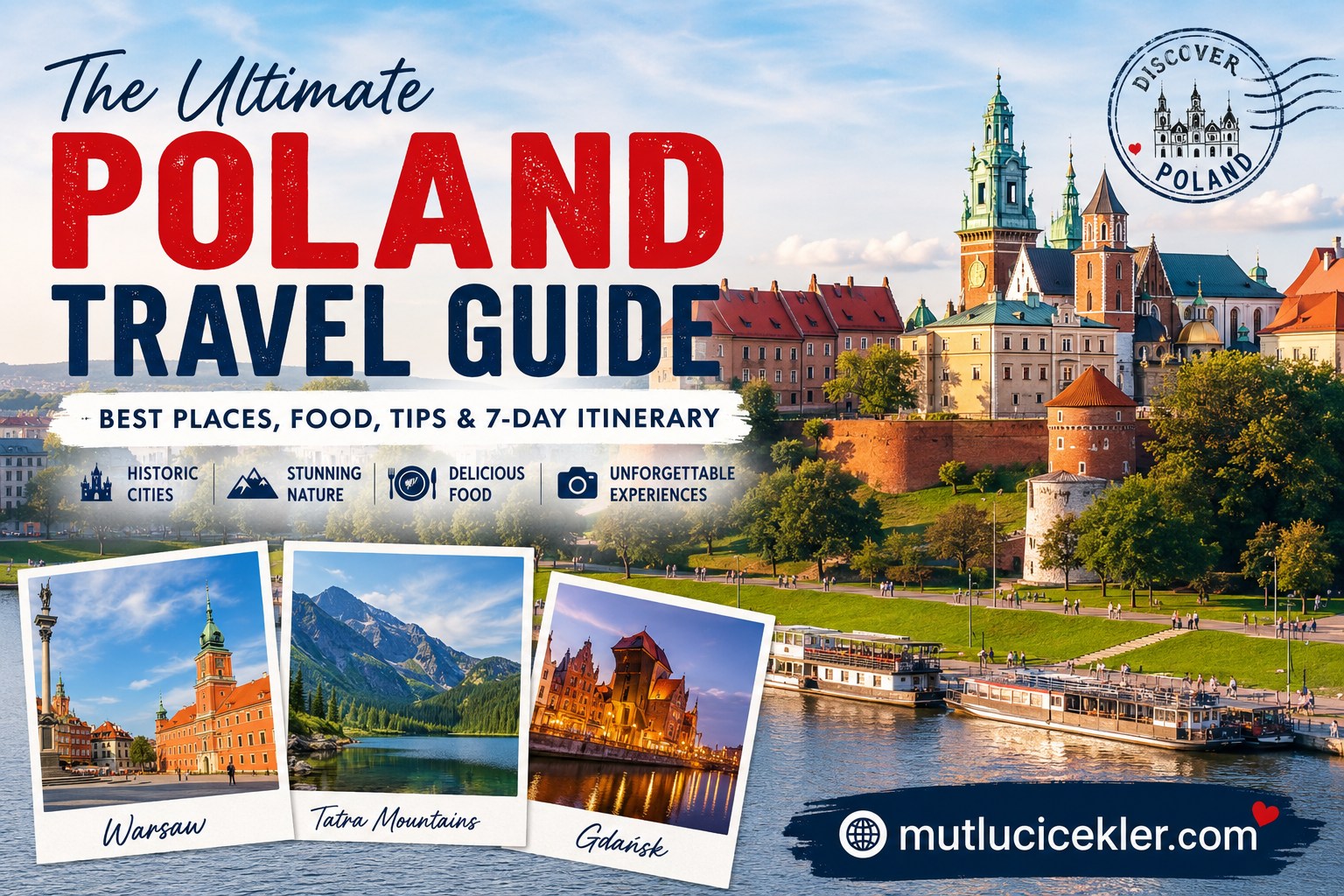
Poland Travel Guide
Poland is one of Europe’s most underrated travel destinations. Located in the heart of Central Europe, the country combines medieval architecture, vibrant modern cities, breathtaking mountains, peaceful lakes, and a fascinating history. Whether you’re exploring colorful old towns, hiking in the mountains, relaxing by the Baltic Sea, or discovering UNESCO World Heritage Sites, Poland offers unforgettable experiences for every traveler.
Compared to many Western European countries, Poland is also affordable, making it an excellent destination for budget travelers, families, digital nomads, and culture enthusiasts alike.
📍 Where is Poland?
- 🌍 Continent: Europe
- 🏛️ Capital: Warsaw
- 👥 Population: Approximately 38 million
- 🗣️ Language: Polish
- 💶 Currency: Polish Złoty (PLN)
- 🔌 Power Plug: Type C & E
- ⏰ Time Zone: Central European Time (CET)
❤️ Why Visit Poland?
Poland offers an impressive variety of experiences.
- ✔ Beautiful medieval cities
- ✔ Rich cultural heritage
- ✔ UNESCO World Heritage Sites
- ✔ Delicious traditional cuisine
- ✔ Stunning mountains and national parks
- ✔ Baltic Sea beaches
- ✔ Affordable travel costs
- ✔ Friendly locals
- ✔ Excellent train network
- ✔ Vibrant nightlife
🗓️ Best Time to Visit Poland
🌸 Spring (April–May)
Spring brings blooming parks, comfortable temperatures, and fewer tourists. Cities become colorful, making sightseeing especially enjoyable.
☀️ Summer (June–August)
Summer is the busiest travel season. Festivals, outdoor cafes, lakes, and Baltic beaches come alive.
Average temperatures range from 22°C to 30°C.
🍂 Autumn (September–October)
Golden forests, pleasant weather, and fewer crowds make autumn one of the best seasons to visit Poland.
❄ Winter (December–February)
Christmas markets transform cities into magical destinations. The Tatra Mountains also become a paradise for skiing and winter sports.
🏰 Best Places to Visit in Poland
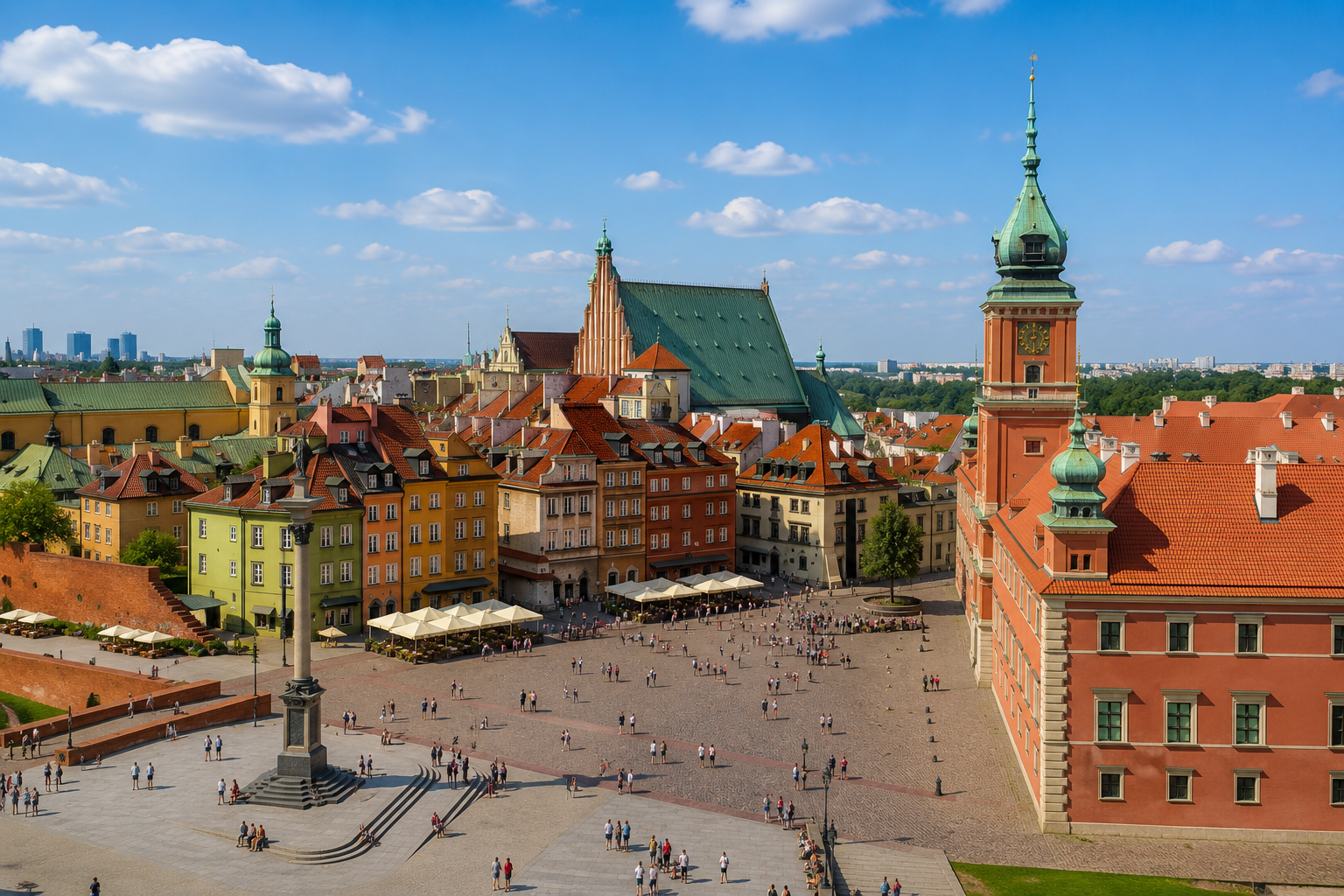
🏙️ Warsaw
The capital perfectly blends history and modern life.
Highlights include:
- Old Town (UNESCO)
- Royal Castle
- Palace of Culture and Science
- Łazienki Park
- Wilanów Palace
- Warsaw Uprising Museum
Despite being heavily damaged during World War II, Warsaw has been beautifully rebuilt and remains one of Europe’s most fascinating capitals.
🏰 Kraków
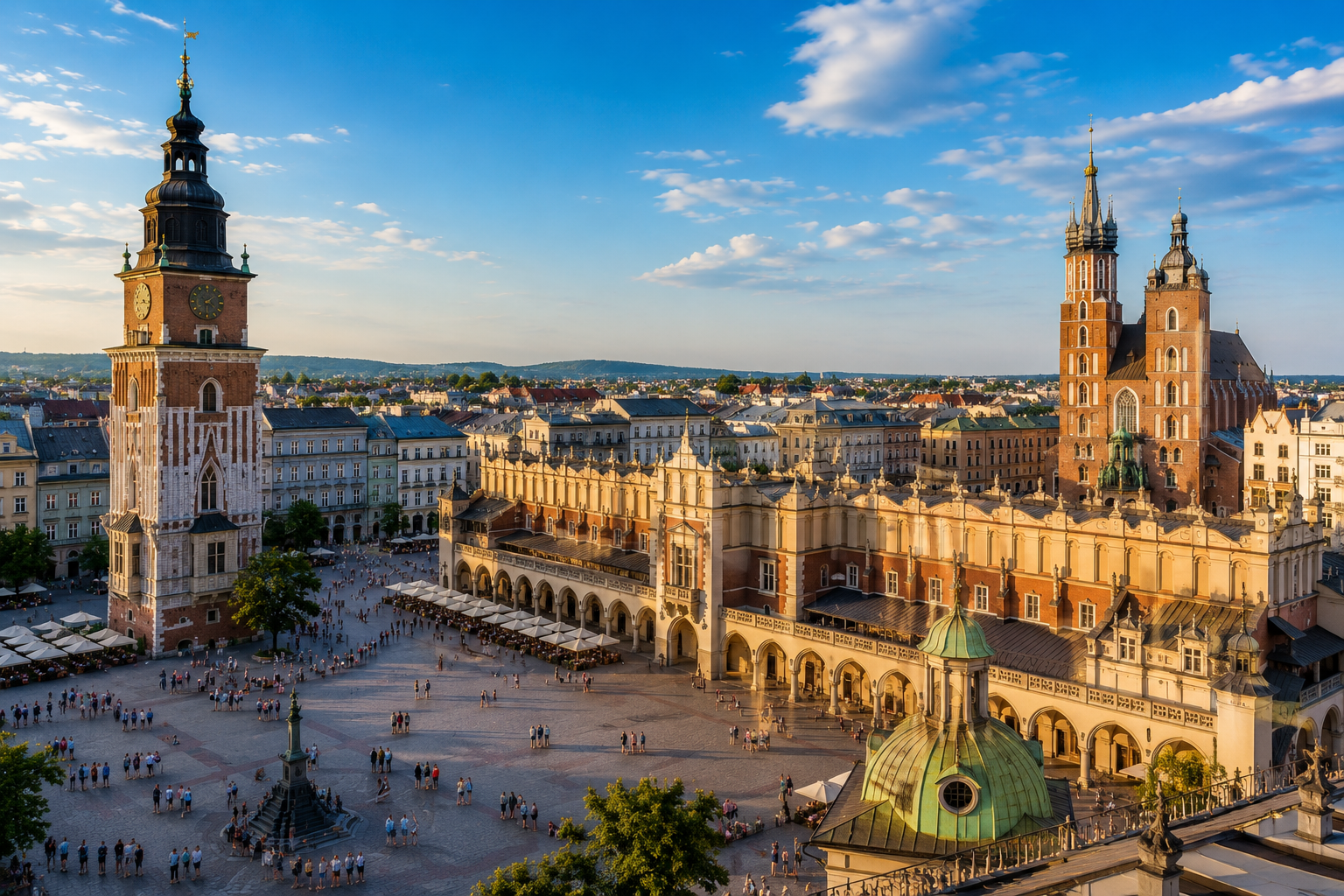
Often considered Poland’s cultural capital, Kraków is famous for its medieval architecture.
Don’t miss:
- Main Market Square
- Wawel Castle
- St. Mary’s Basilica
- Kazimierz District
- Cloth Hall
- Planty Park
The city’s atmosphere is lively thanks to thousands of students and visitors.
⛏️ Wieliczka Salt Mine
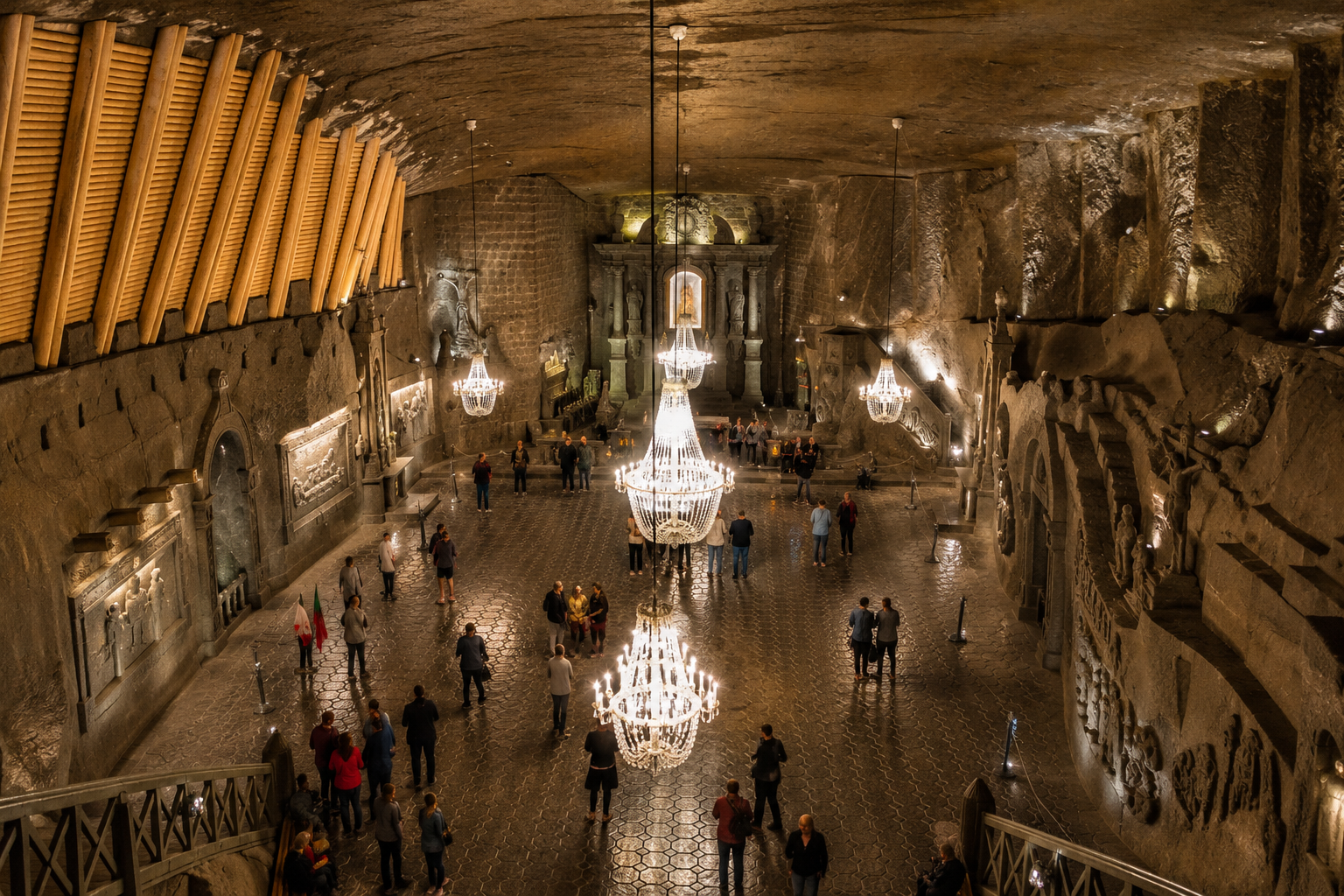
One of Poland’s most famous attractions.
Visitors can explore:
- Underground chapels
- Salt sculptures
- Crystal chambers
- Historic mining tunnels
This UNESCO World Heritage Site is unlike any other attraction in Europe.
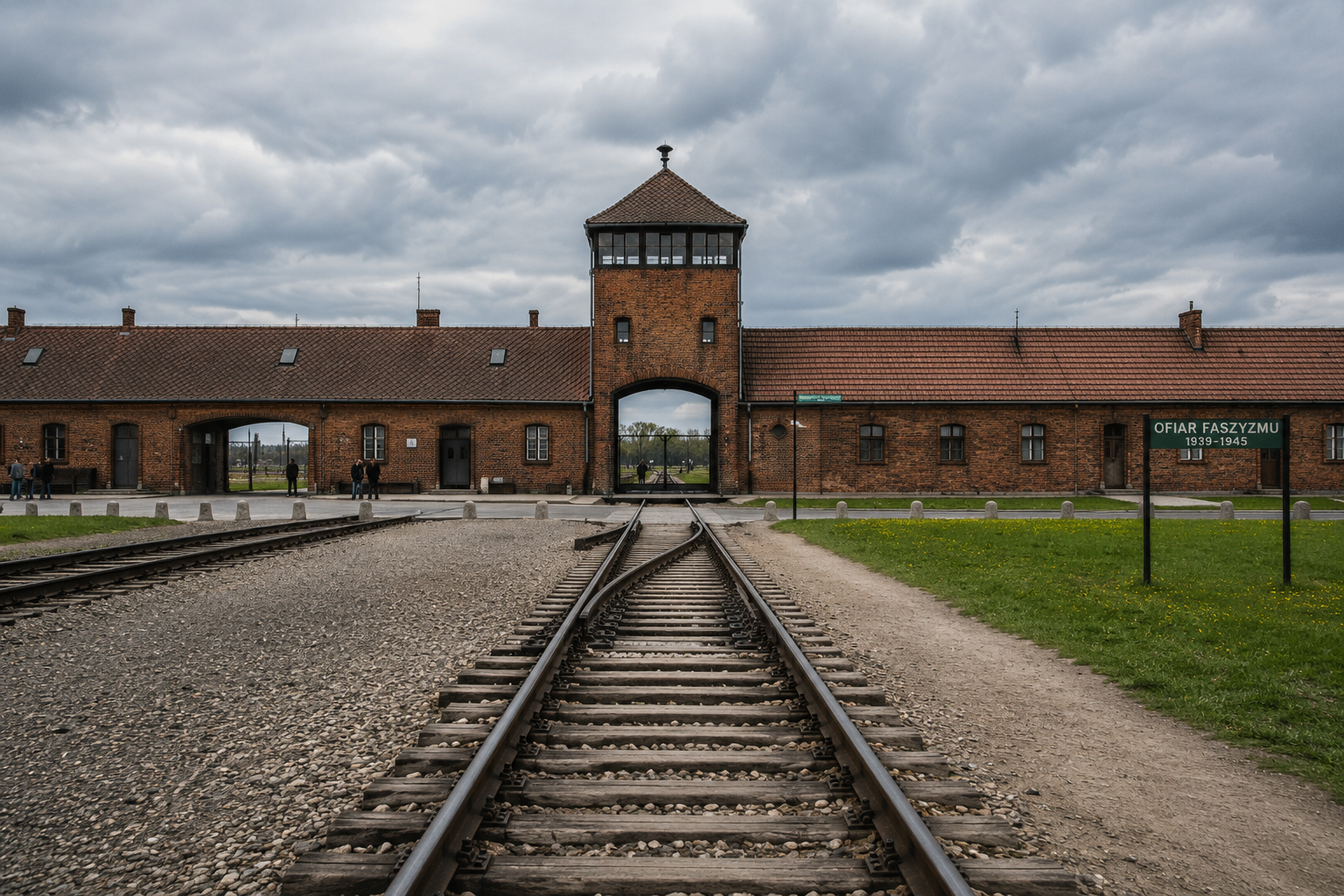
🕯️ Auschwitz-Birkenau Memorial
Located near Kraków, this memorial preserves the memory of one of history’s darkest chapters.
A guided visit offers an educational and emotional experience about World War II and the Holocaust.
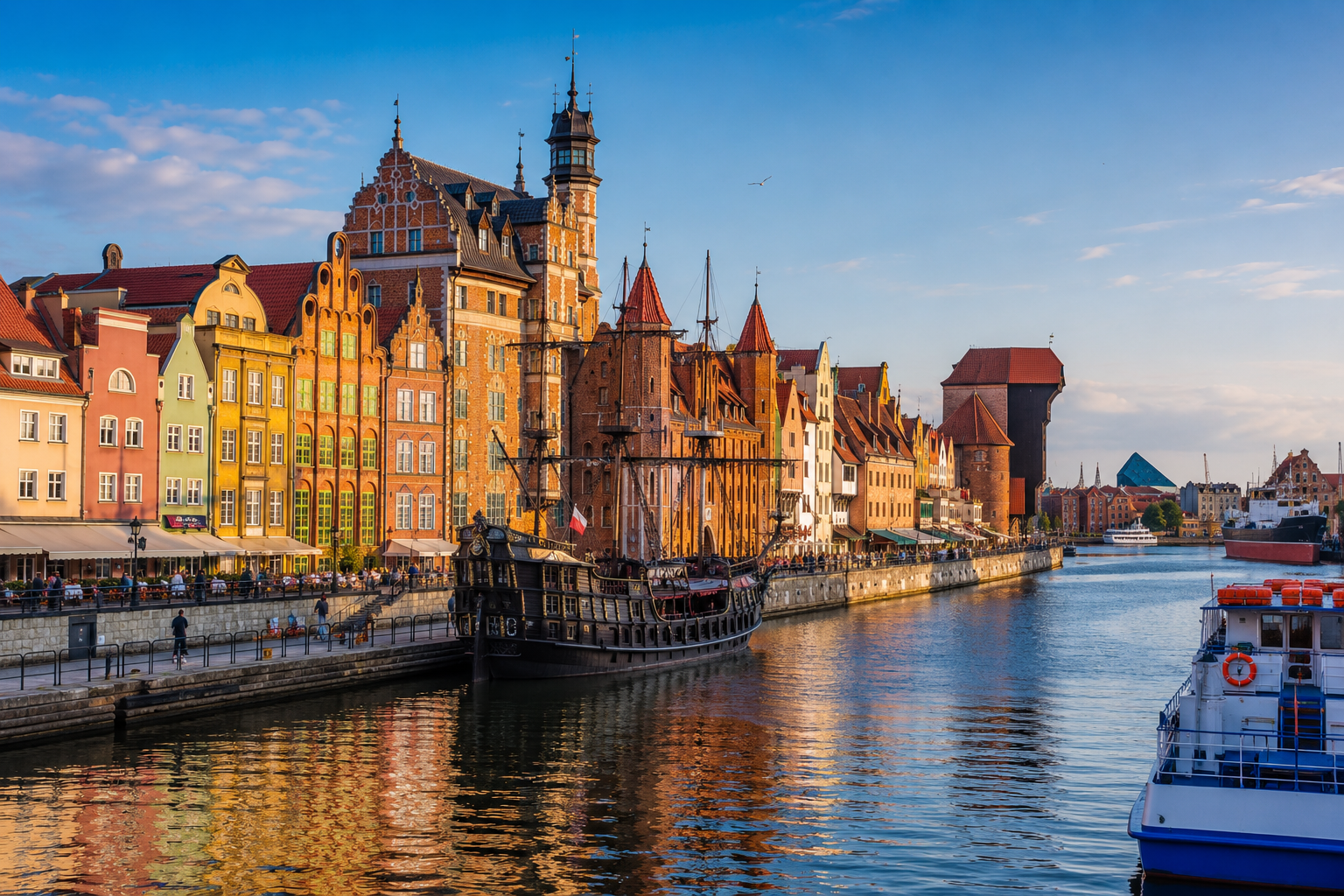
🌊 Gdańsk
Situated on the Baltic Sea, Gdańsk combines maritime history with colorful architecture.
Top attractions include:
- Long Market
- Neptune Fountain
- Crane Gate
- St. Mary’s Church
- European Solidarity Centre
The waterfront is perfect for evening walks.
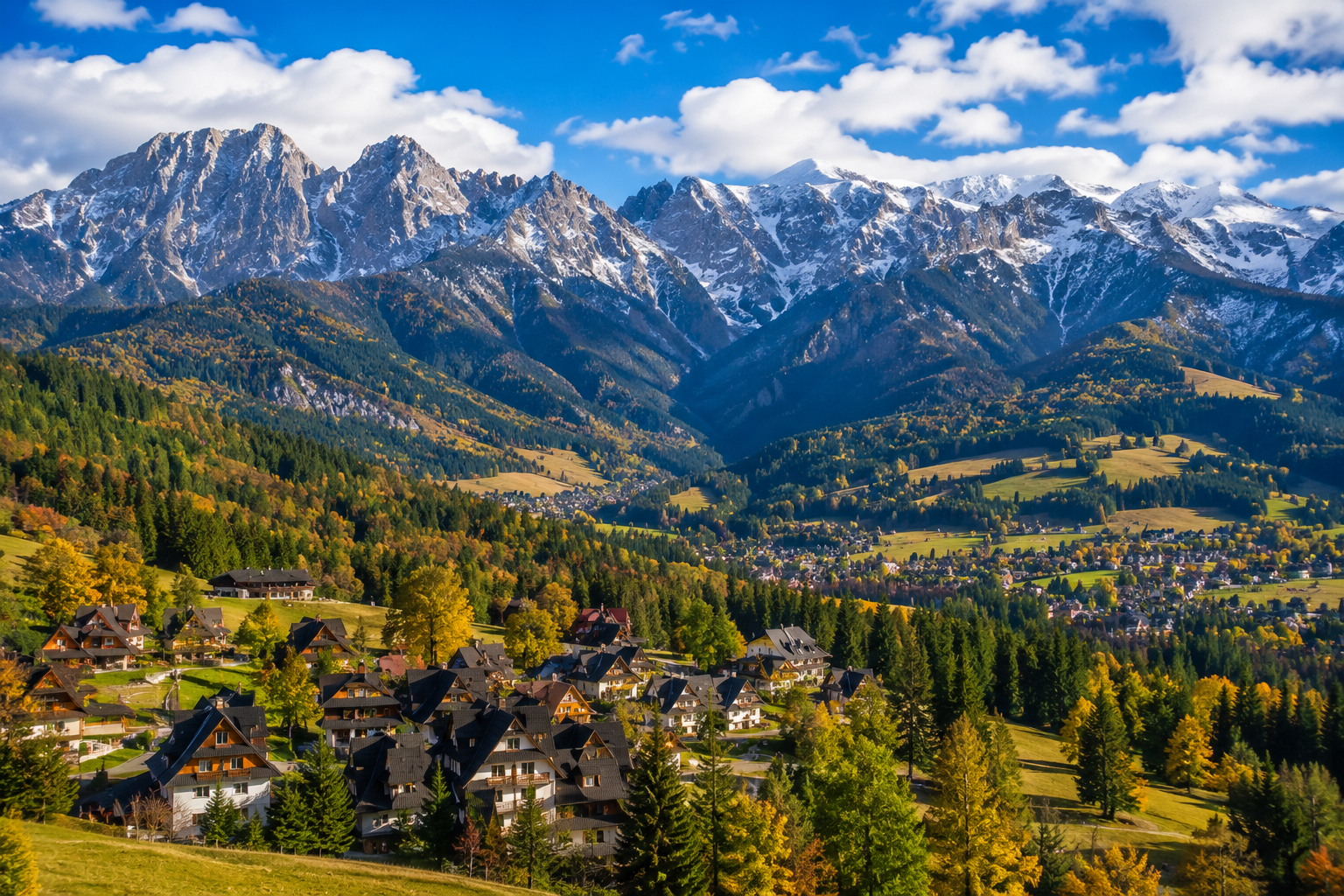
🏞️ Tatra Mountains & Zakopane
Nature lovers should not miss Zakopane.
Popular activities include:
- Hiking
- Skiing
- Cable car rides
- Mountain lakes
- Wooden churches
- Traditional Highlander culture
The scenery is breathtaking throughout the year.
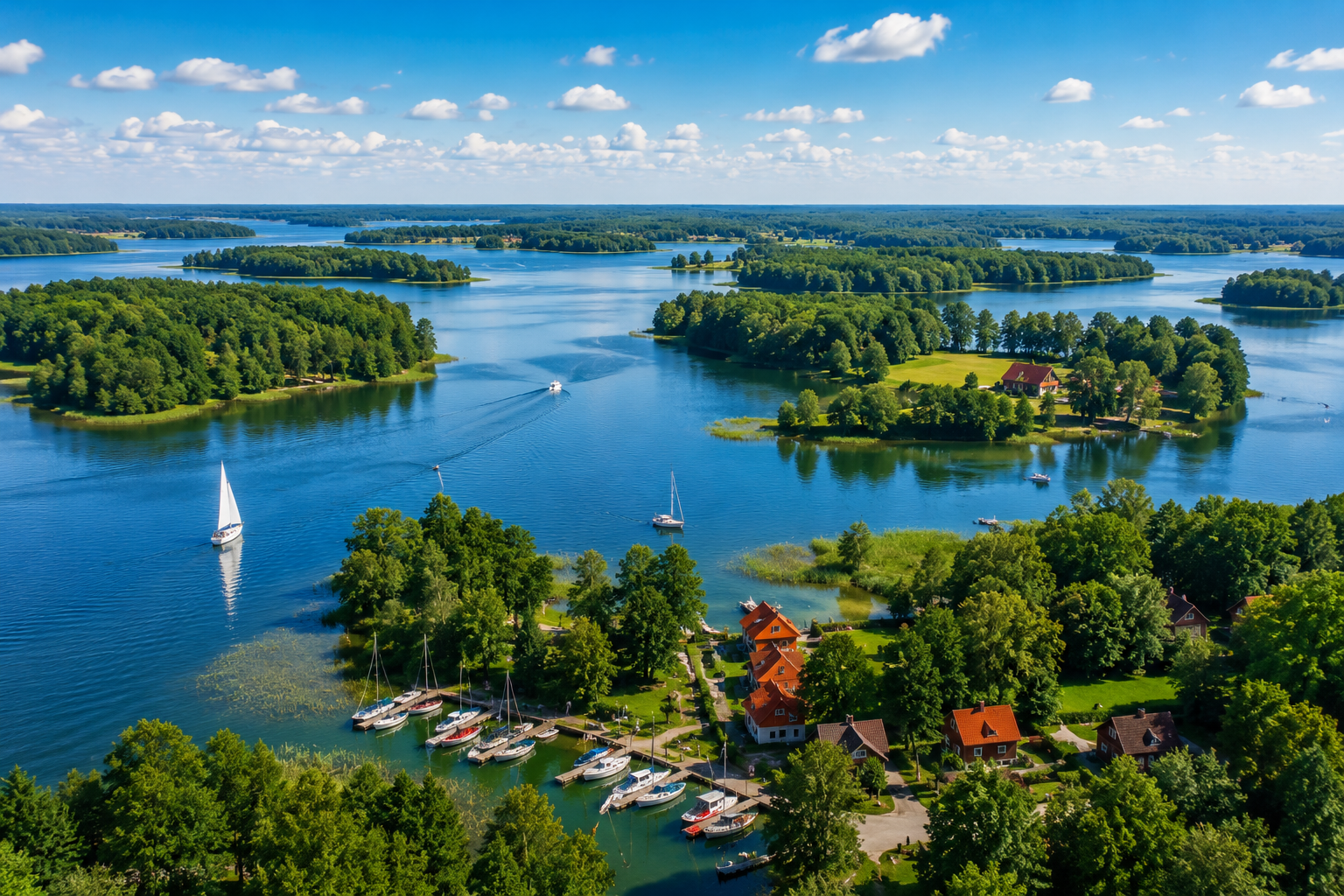
🚤 Masurian Lake District
Known as the “Land of a Thousand Lakes,” this region is perfect for:
- Sailing
- Kayaking
- Cycling
- Fishing
- Nature photography
It is one of Europe’s most peaceful outdoor destinations.
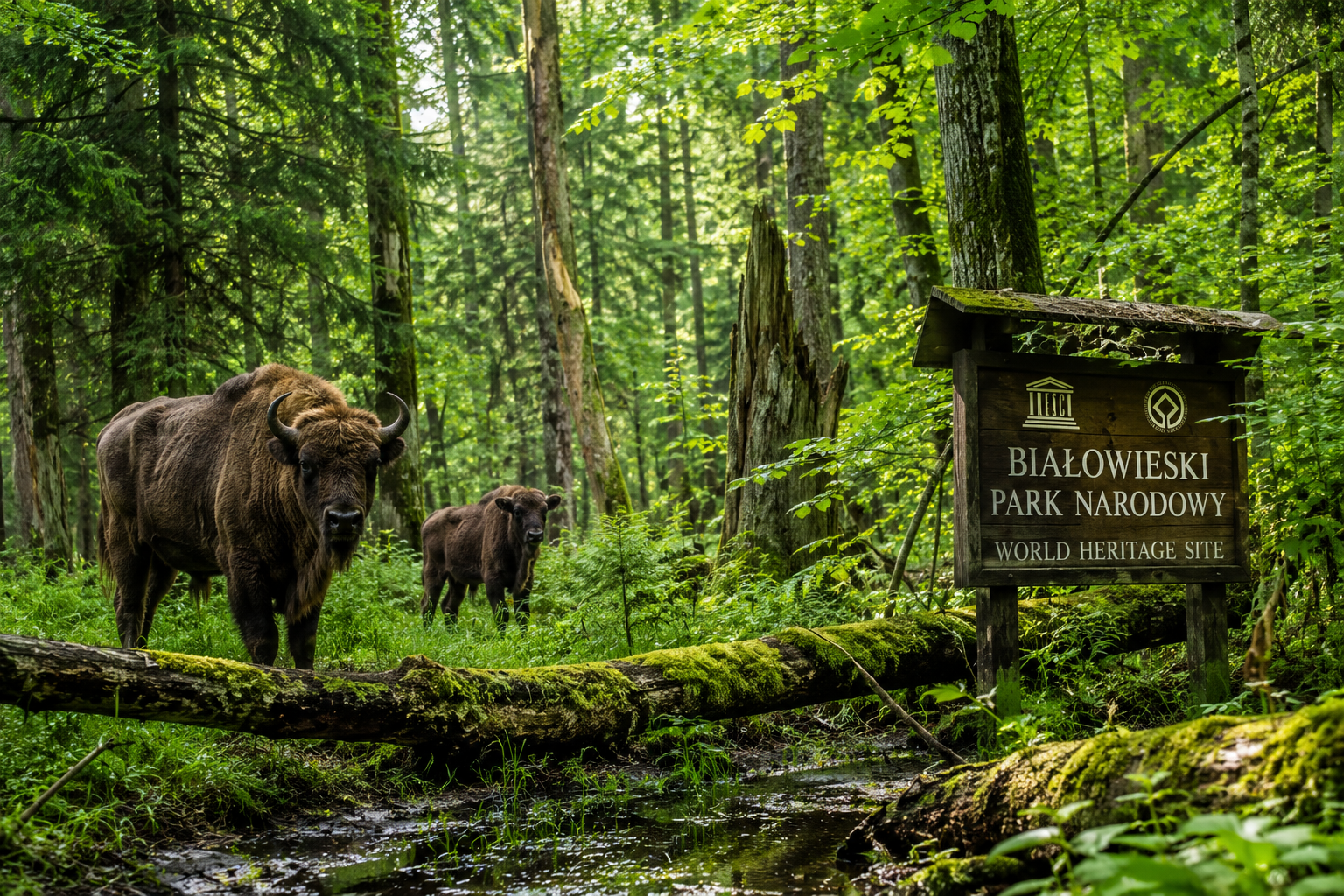
🌳 Białowieża Forest
One of Europe’s last primeval forests and home to the European bison.
Nature enthusiasts can enjoy:
- Wildlife watching
- Hiking trails
- Ancient forests
- Birdwatching
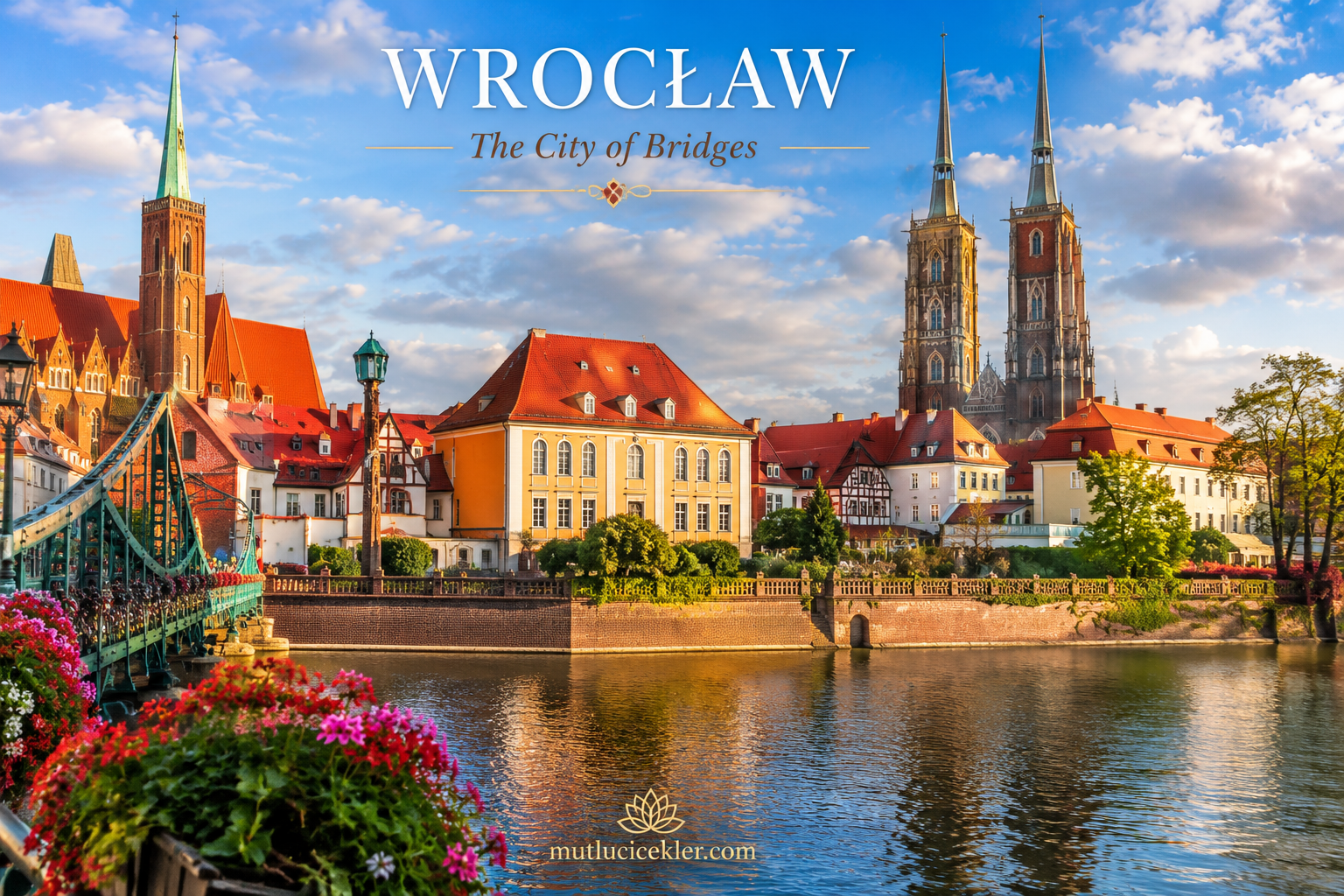
🌊 Wrocław
This colorful city is famous for:
- Market Square
- Cathedral Island
- Hundreds of dwarf statues
- Beautiful bridges
- Riverside cafés
It is one of Poland’s most photogenic cities.
⚓ Malbork Castle
The largest brick castle in the world, Malbork Castle impresses visitors with:
- Medieval halls
- Museums
- Defensive walls
- Historic exhibitions

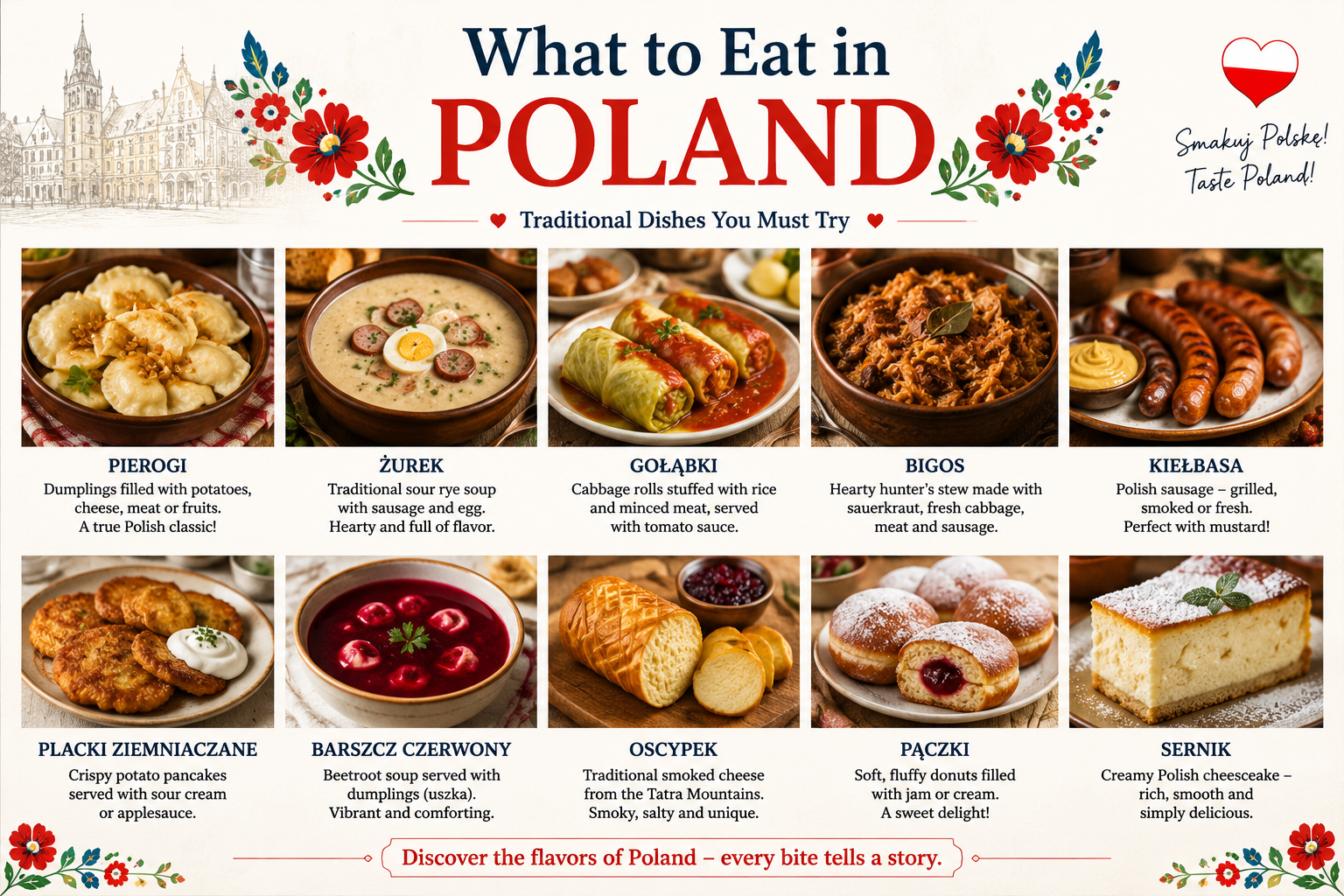
🍽️ What to Eat in Poland
Food lovers will enjoy hearty traditional dishes.
Must-try foods include:
- 🥟 Pierogi
- 🍲 Żurek
- 🥩 Bigos
- 🥔 Potato Pancakes
- 🥖 Zapiekanka
- 🥟 Gołąbki
- 🍰 Sernik
- 🍩 Pączki
- 🍗 Kielbasa
- 🍺 Local craft beer
🚆 Getting Around Poland
Transportation is easy and efficient.
Options include:
- High-speed trains
- Regional railways
- Long-distance buses
- Domestic flights
- Rental cars
- Public transportation
Cities like Warsaw, Kraków, and Gdańsk have reliable tram and bus systems.
💰 Is Poland Expensive?
Poland remains one of Europe’s best-value destinations.
Average daily budget:
- 💵 Budget: $40–60
- 💳 Mid-range: $70–140
- 💎 Luxury: $180+
Accommodation, transportation, and dining are generally more affordable than in Western Europe.
📅 7-Day Poland Itinerary
🏙️ Day 1 – Discover Warsaw
Begin your Polish adventure in the vibrant capital, Warsaw. Spend the morning exploring the beautifully reconstructed Old Town, a UNESCO World Heritage Site filled with colorful buildings, charming cafés, and historic landmarks. Visit the Royal Castle, stroll through Castle Square, and admire the famous Sigismund’s Column.
In the afternoon, relax in Łazienki Park, one of the city’s most beautiful green spaces, where you can see the Palace on the Isle and peacocks roaming freely. Finish your day by visiting the Palace of Culture and Science for panoramic views of the city before enjoying traditional Polish cuisine at a local restaurant.
🏰 Day 2 – Warsaw to Kraków
Travel to Kraków by high-speed train, a journey of around 2.5 hours. After checking into your hotel, head to the magnificent Main Market Square, one of the largest medieval squares in Europe.
Visit St. Mary’s Basilica, admire the historic Cloth Hall, and walk up to Wawel Castle, once the residence of Polish kings. In the evening, explore the lively Kazimierz District, famous for its rich Jewish heritage, unique cafés, street art, and excellent restaurants.
⛏️ Day 3 – Wieliczka Salt Mine & Auschwitz-Birkenau
Start your day with a visit to the extraordinary Wieliczka Salt Mine, located just outside Kraków. Descend deep underground to discover magnificent salt-carved chapels, sculptures, underground lakes, and impressive tunnels that have been attracting visitors for centuries.
In the afternoon, visit the Auschwitz-Birkenau Memorial and Museum. A guided tour provides important historical insight into World War II and serves as a powerful reminder of one of humanity’s darkest periods. Return to Kraków in the evening for a quiet dinner and overnight stay.
🏔️ Day 4 – Zakopane & the Tatra Mountains
Leave the city behind and head south to Zakopane, Poland’s mountain capital. Surrounded by the spectacular Tatra Mountains, the town is perfect for outdoor enthusiasts.
Ride the cable car to Kasprowy Wierch or Gubałówka Hill for breathtaking panoramic views. Explore local hiking trails, visit traditional wooden churches, browse the bustling Krupówki Street, and sample regional specialties such as smoked Oscypek cheese. The fresh mountain air and stunning scenery make this one of the highlights of any trip to Poland.
🌉 Day 5 – Wrocław
Travel west to the colorful city of Wrocław, famous for its picturesque canals, charming bridges, and beautiful Market Square.
Spend the day exploring the historic Old Town, crossing Cathedral Island (Ostrów Tumski), and searching for the city’s famous bronze dwarf statues hidden throughout the streets. Enjoy a relaxing walk along the Oder River before ending the evening at one of Wrocław’s lively riverside restaurants.
⚓ Day 6 – Gdańsk
Take a morning train or domestic flight to Gdańsk, one of Poland’s most beautiful coastal cities on the Baltic Sea.
Walk along the historic Long Market, admire the colorful merchant houses, visit the iconic Neptune Fountain, and explore the medieval waterfront featuring the famous Crane Gate. If time allows, visit the European Solidarity Centre to learn about Poland’s modern history. Finish the day with a relaxing sunset walk along the Motława River.
🏰 Day 7 – Malbork Castle or Masurian Lake District
On your final day, choose between two unforgettable experiences.
History lovers can visit the magnificent Malbork Castle, the largest brick castle in the world and a UNESCO World Heritage Site. Explore its medieval halls, towers, museums, and defensive walls while learning about the history of the Teutonic Knights.
Alternatively, nature lovers can head to the peaceful Masurian Lake District, known as the “Land of a Thousand Lakes.” Spend the day sailing, kayaking, cycling, or simply relaxing by the crystal-clear lakes surrounded by forests.
Before departing Poland, enjoy one last traditional meal featuring classics such as Pierogi, Bigos, or Żurek, and take time to appreciate the country’s rich culture, warm hospitality, and unforgettable landscapes.
💡 Travel Tips for Poland
✔ Carry some cash, although cards are widely accepted.
✔ Learn a few Polish greetings.
✔ Validate public transport tickets before travel.
✔ Dress warmly during winter.
✔ Book accommodation early during summer.
✔ Respect historical memorial sites.
✔ Try local bakeries for affordable breakfasts.
✔ Purchase museum tickets online when possible.
🎯 Best Things to Do in Poland
Whether you’re visiting for history, nature, culture, or food, Poland offers countless unforgettable experiences. Here are some of the best activities to add to your itinerary.
🏰 Explore Medieval Old Towns
Walk through the beautifully restored streets of Warsaw, wander around Kraków’s Main Market Square, admire the colorful architecture of Gdańsk, and discover the charming alleys of Wrocław.
⛰️ Hike in the Tatra Mountains
Enjoy scenic hiking trails, alpine lakes, panoramic viewpoints, and breathtaking mountain landscapes around Zakopane and Tatra National Park.
🚡 Ride a Mountain Cable Car
Take the cable car to Kasprowy Wierch or Gubałówka Hill for spectacular views of the Polish mountains.
⛏️ Visit the Wieliczka Salt Mine
Explore underground tunnels, magnificent salt-carved chapels, crystal chandeliers, and fascinating mining history at one of Poland’s most unique attractions.
🕊️ Visit Auschwitz-Birkenau Memorial
Take a guided tour to learn about World War II history and pay your respects at one of the world’s most important historical memorial sites.
🏰 Tour Historic Castles
Visit the impressive Malbork Castle, explore Wawel Castle in Kraków, and discover Poland’s rich medieval heritage.
🚤 Sail Through the Masurian Lake District
Rent a boat, go kayaking, enjoy paddleboarding, or simply relax beside the beautiful lakes surrounded by forests.
🌲 Discover Białowieża Forest
Walk through one of Europe’s oldest forests and, with a bit of luck, spot the famous European bison in its natural habitat.
🌊 Relax on the Baltic Coast
Spend time at the beaches of Gdańsk, Sopot, or Gdynia, enjoy seaside cafés, and watch stunning sunsets over the Baltic Sea.
🚲 Cycle Through Scenic Countryside
Poland offers hundreds of kilometers of cycling routes through forests, lakes, mountains, and picturesque villages.
🎭 Experience Polish Culture
Attend traditional folk festivals, classical music concerts, local markets, and cultural performances throughout the country.
🍽️ Taste Traditional Polish Cuisine
Try authentic dishes such as Pierogi, Żurek, Bigos, Gołąbki, Zapiekanka, and delicious Polish desserts in local restaurants.
🛍️ Shop at Local Markets
Browse handmade crafts, amber jewelry, traditional ceramics, local sweets, and unique souvenirs in Poland’s historic city centers.
📸 Photograph Iconic Landmarks
Capture unforgettable views of colorful old towns, medieval castles, mountain landscapes, rivers, and picturesque lakes across the country.
🌃 Enjoy Poland’s Nightlife
Experience lively bars, rooftop restaurants, jazz clubs, and vibrant nightlife in cities like Warsaw, Kraków, and Wrocław.
❓ Frequently Asked Questions
Is Poland safe for tourists?
Yes. Poland is considered one of the safer countries in Europe, especially for independent travelers.
Do people speak English?
English is commonly spoken in tourist areas, hotels, restaurants, and by younger generations.
How many days should I spend in Poland?
A 7 to 10-day trip allows you to experience Poland’s major cities, cultural landmarks, and natural attractions.
What is Poland famous for?
Poland is renowned for its medieval cities, castles, UNESCO sites, delicious cuisine, rich history, beautiful mountains, and vibrant cultural traditions.
Is Poland good for budget travelers?
Absolutely. Poland offers excellent value for accommodation, transportation, food, and sightseeing compared to many European destinations.
Final Thoughts
Poland is a destination that surprises visitors with its diversity, history, and natural beauty. From the rebuilt streets of Warsaw and the medieval charm of Kraków to the breathtaking Tatra Mountains and the Baltic coast, every region offers something unique. Whether you’re planning a cultural city break, a scenic road trip, or an outdoor adventure, Poland provides unforgettable experiences at an affordable price.
If you’re looking for a European destination that combines history, nature, delicious food, and exceptional value, Poland deserves a place at the top of your travel bucket list.
🌍 Follow MutluCicekler.com
Explore more travel guides, food experiences, cultural destinations, and hidden gems from around the world at MutluCicekler.com.
Bir yanıt yazın