
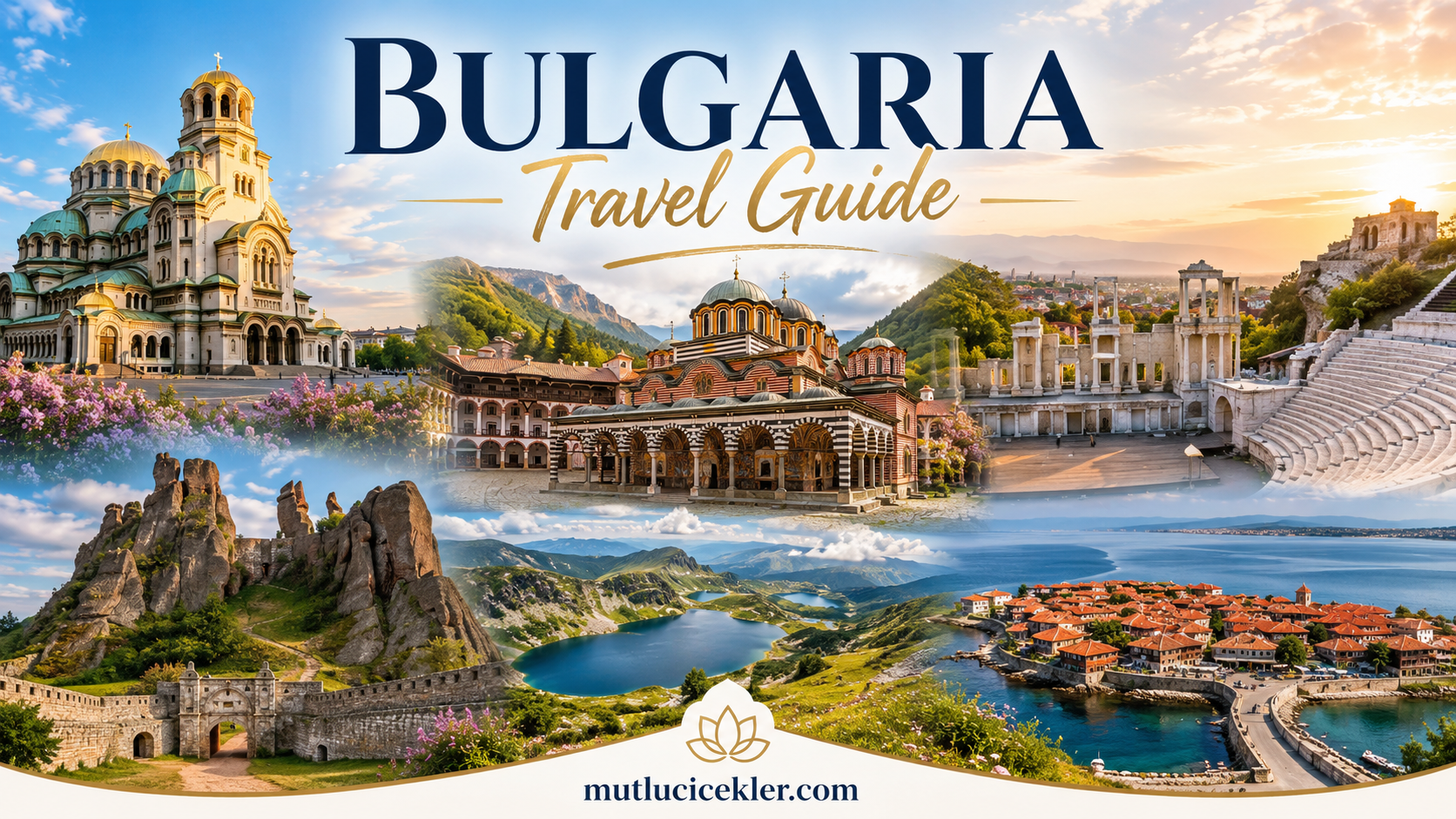
Bulgaria Travel Guide
Bulgaria is one of Europe’s most underrated travel destinations. Nestled in the heart of the Balkans, this beautiful country offers a fascinating blend of ancient history, picturesque mountains, golden Black Sea beaches, charming villages, vibrant cities, and delicious cuisine—all at affordable prices.
Whether you’re exploring Roman ruins in Plovdiv, hiking through the Rila Mountains, relaxing on Sunny Beach, or wandering the historic streets of Sofia, Bulgaria delivers unforgettable experiences for every type of traveler.
Why Visit Bulgaria?
Bulgaria offers incredible value compared to many European destinations while providing rich cultural experiences and breathtaking natural scenery.
Highlights include:
- Affordable accommodation and food
- UNESCO World Heritage Sites
- Beautiful monasteries and medieval towns
- Black Sea coastline
- Excellent hiking opportunities
- Rich history dating back thousands of years
- Traditional Bulgarian cuisine
- Friendly locals
- Four-season travel destination
Quick Facts
📍 Capital: Sofia
🌍 Region: Southeastern Europe (Balkans)
🗣 Official Language: Bulgarian
💶 Currency: Bulgarian Lev (BGN)
✈️ Major Airports:
- Sofia Airport (SOF)
- Varna Airport (VAR)
- Burgas Airport (BOJ)
- Plovdiv Airport (PDV)
⏰ Time Zone: Eastern European Time (EET)
🔌 Power Plug: Type F (230V)
Best Time to Visit Bulgaria
Spring (April–June)
Perfect for sightseeing, hiking, and colorful landscapes.
Average temperatures:
- 15–25°C (59–77°F)
Summer (June–August)
Ideal for Black Sea beach holidays and mountain adventures.
Average temperatures:
- 25–35°C (77–95°F)
Autumn (September–October)
Excellent weather with fewer crowds and beautiful autumn colors.
Winter (December–March)
Perfect for skiing in Bansko, Borovets, and Pamporovo.
Top Places to Visit in Bulgaria
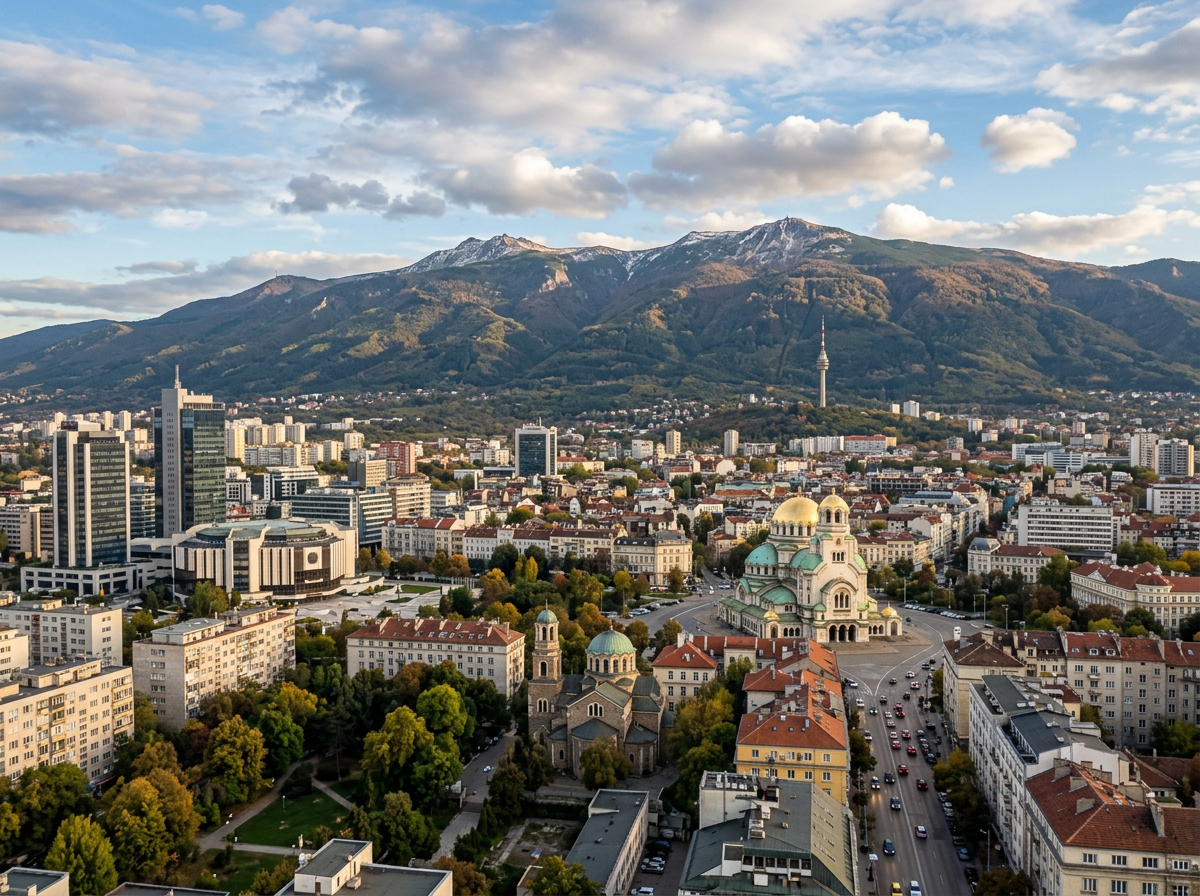
Sofia
The capital city combines ancient history with modern European life.
Top attractions include:
- Alexander Nevsky Cathedral
- Vitosha Boulevard
- National Palace of Culture
- Boyana Church
- Vitosha Mountain
- Ivan Vazov National Theatre
- National History Museum
Plovdiv
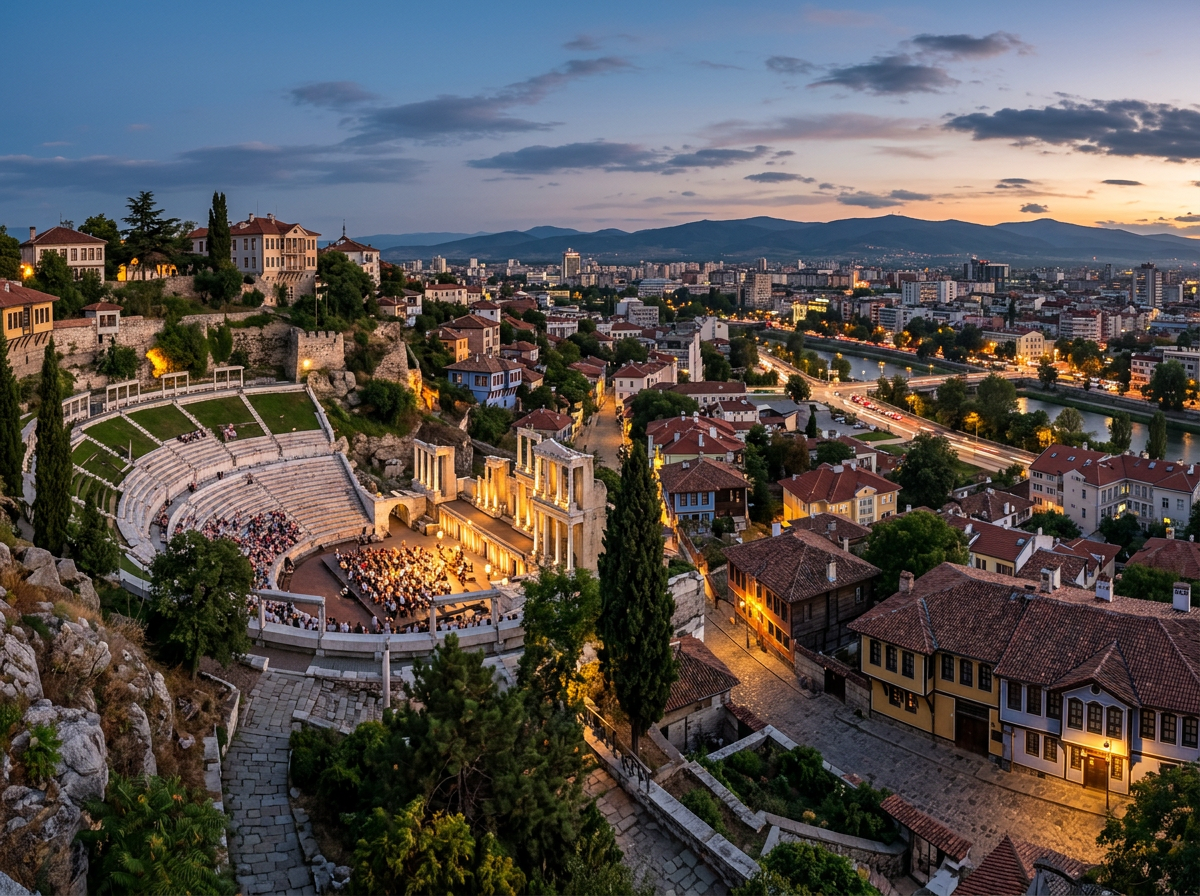
One of Europe’s oldest continuously inhabited cities.
Must-see attractions:
- Ancient Roman Theatre
- Old Town
- Kapana Creative District
- Roman Stadium
- Nebet Tepe
Veliko Tarnovo
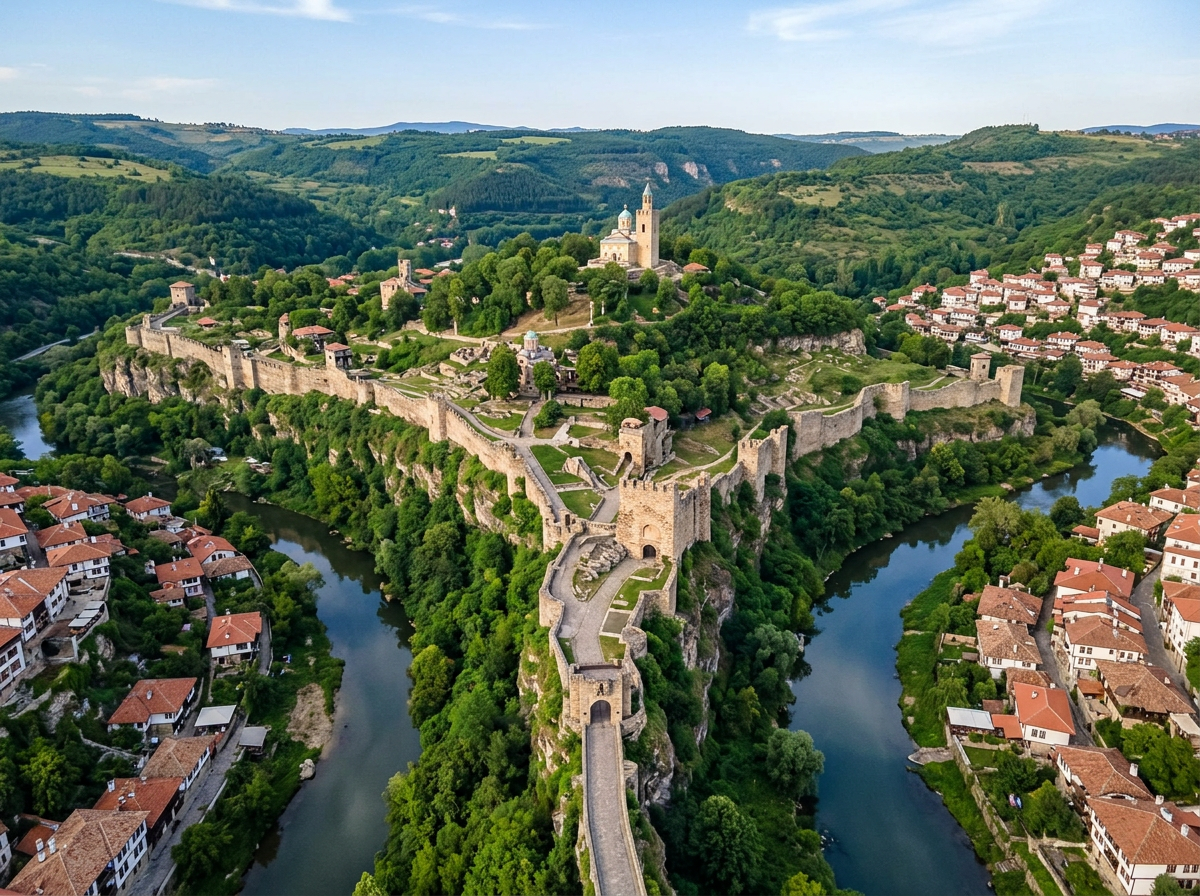
Bulgaria’s medieval capital is famous for its dramatic hilltop fortress.
Highlights:
- Tsarevets Fortress
- Samovodska Charshia
- Medieval churches
- Yantra River viewpoints
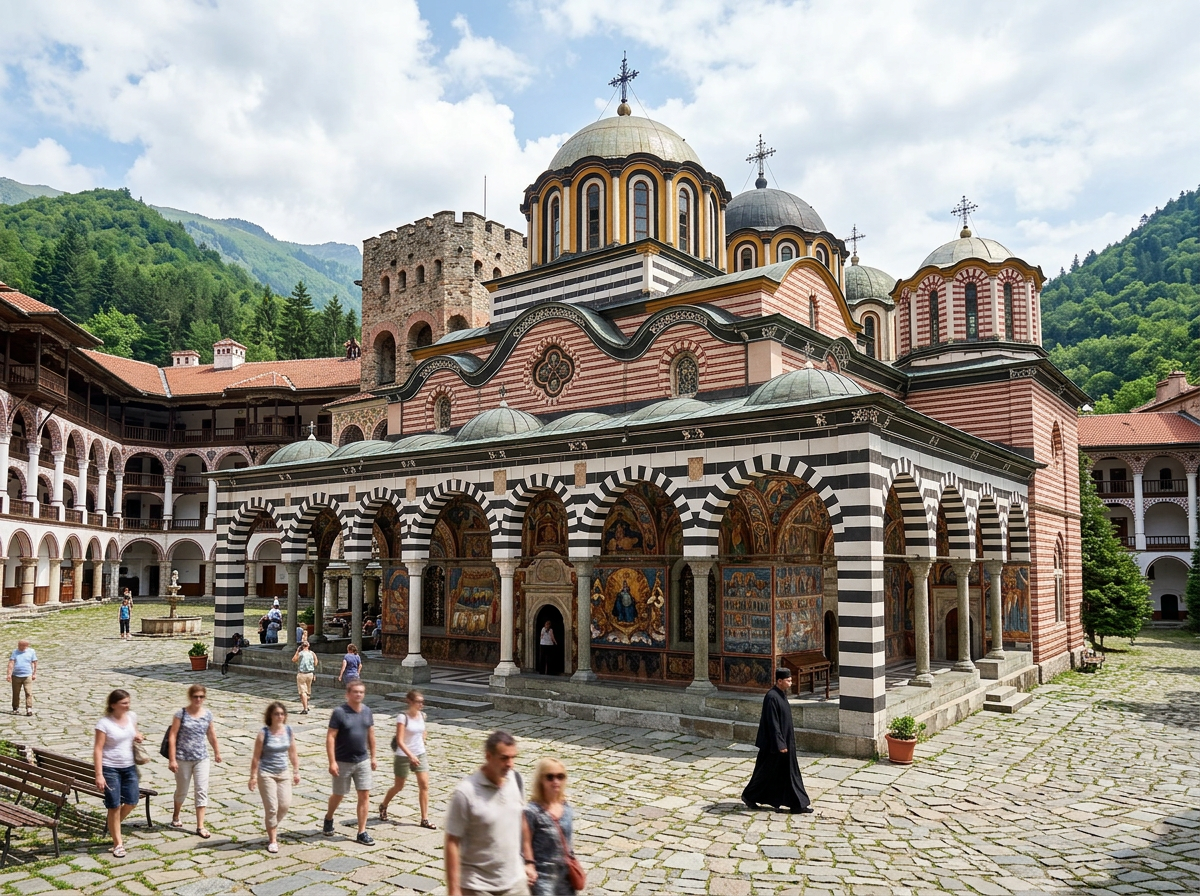
Rila Monastery
A UNESCO World Heritage Site and Bulgaria’s most famous monastery.
Visitors love:
- Stunning architecture
- Colorful frescoes
- Peaceful mountain setting
- Historic museum
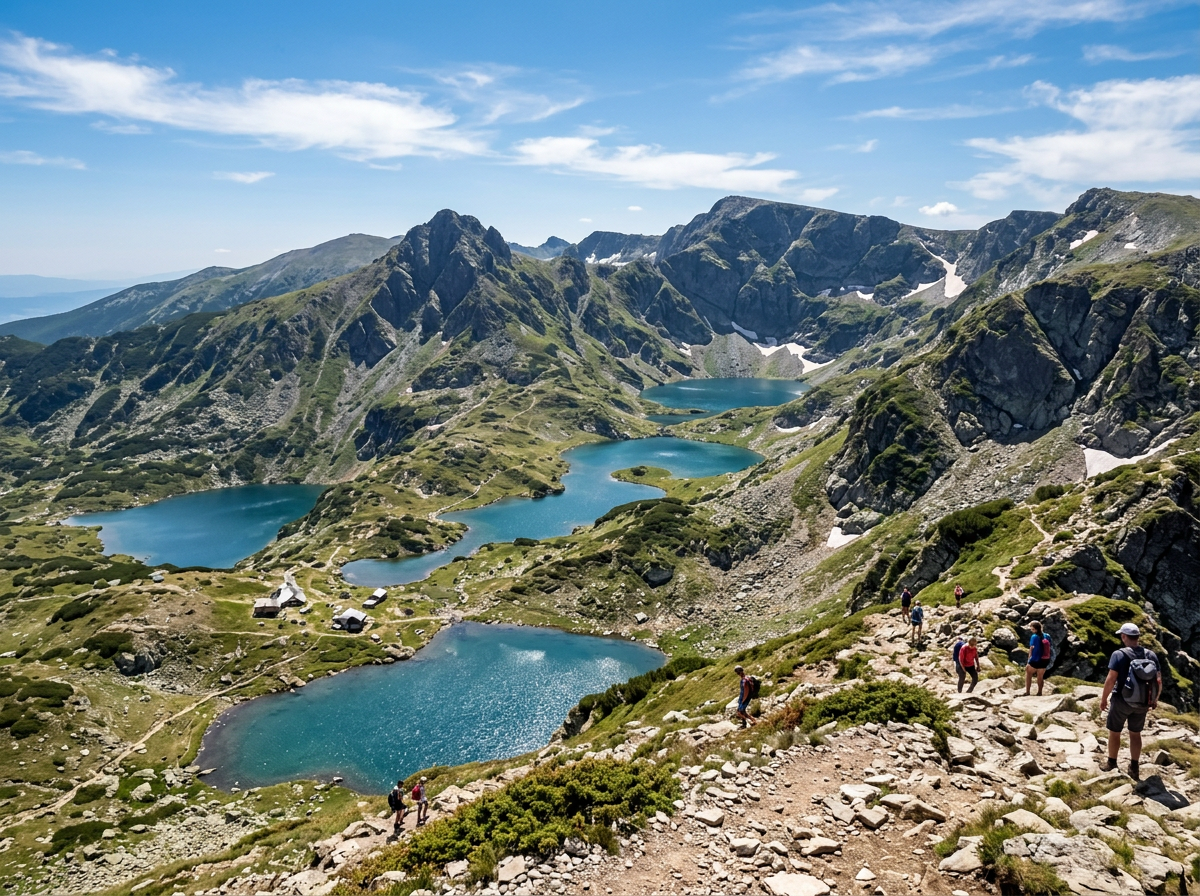
Seven Rila Lakes
A paradise for hikers and nature lovers.
Popular activities:
- Hiking
- Photography
- Cable car rides
- Mountain camping
Bansko
One of Eastern Europe’s top ski resorts.
Things to do:
- Skiing
- Snowboarding
- Spa hotels
- Summer hiking
- Traditional restaurants

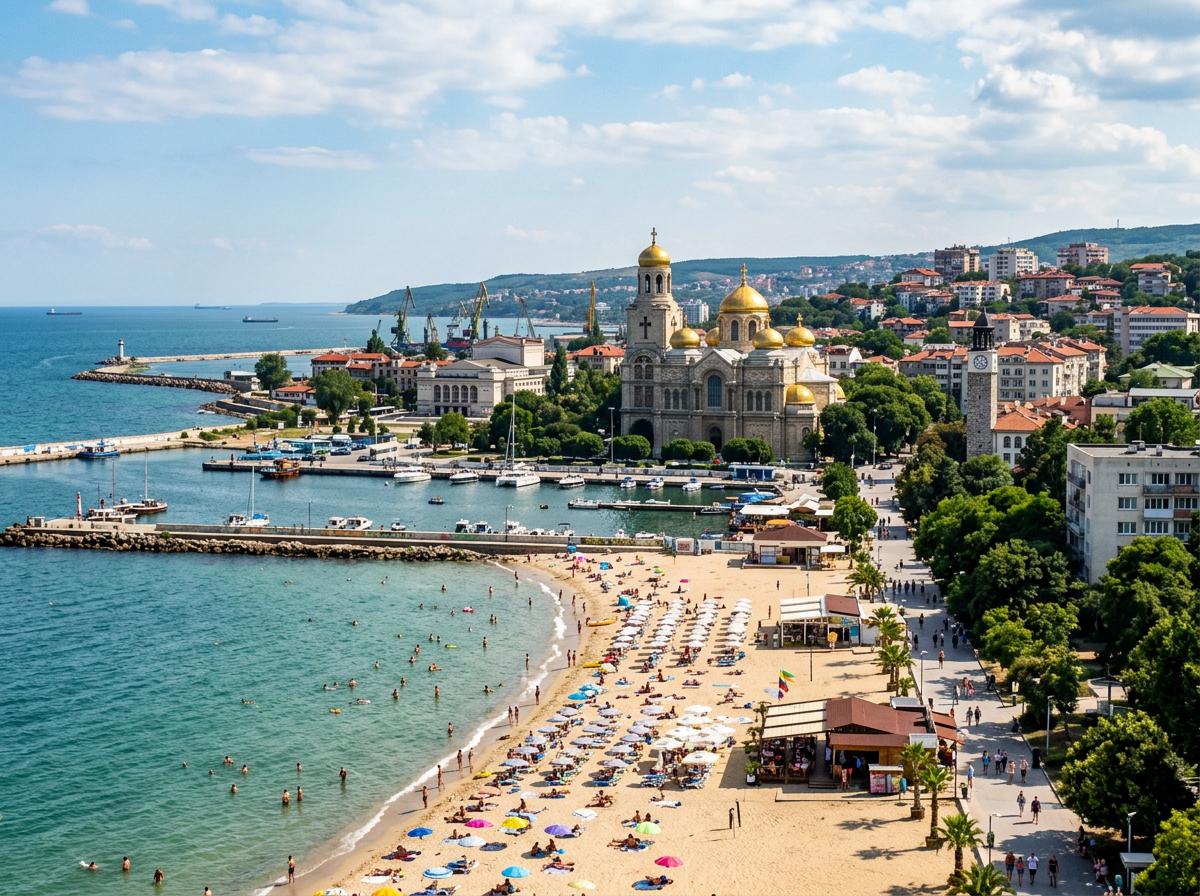
Varna
Known as Bulgaria’s seaside capital.
Don’t miss:
- Sea Garden
- Roman Baths
- Archaeological Museum
- Cathedral of the Assumption
- Beaches
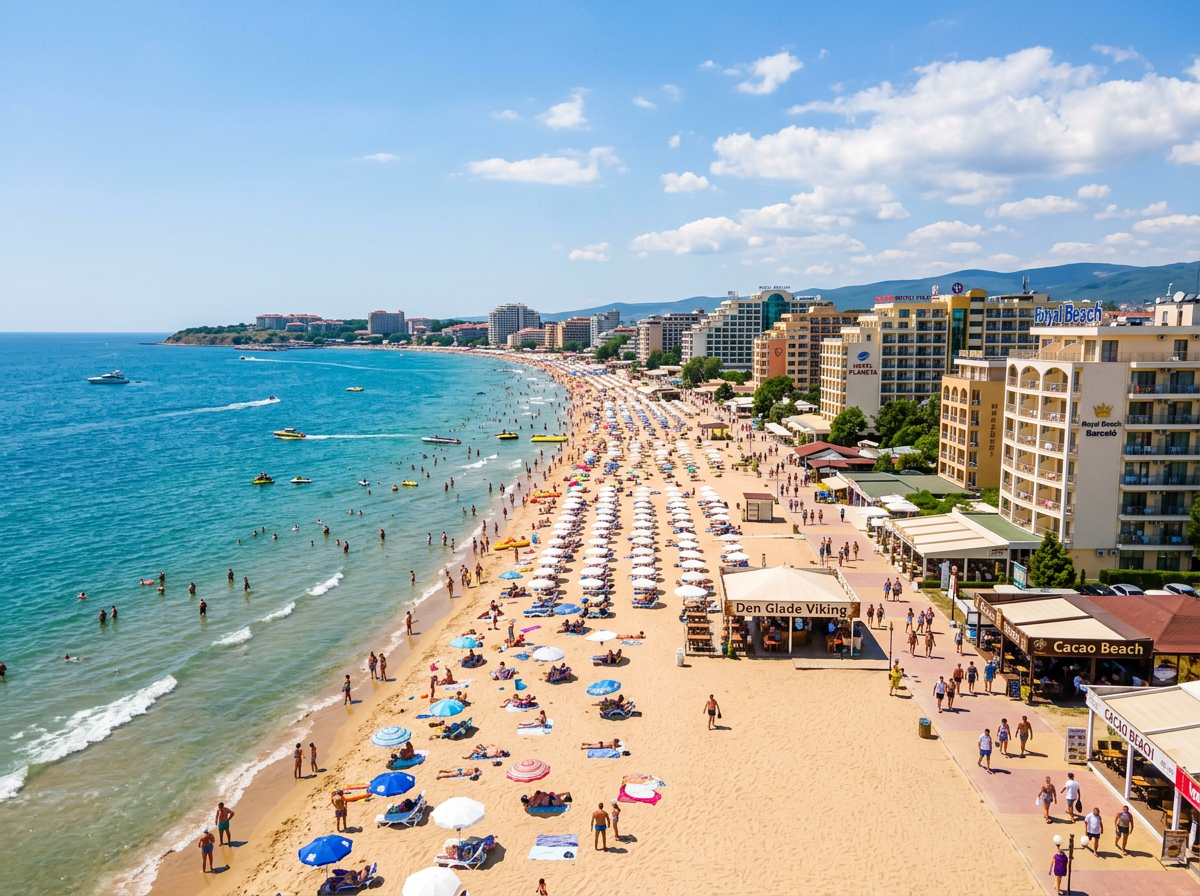
Sunny Beach
The country’s most famous beach destination.
Perfect for:
- Nightlife
- Water sports
- Beach clubs
- Family vacations
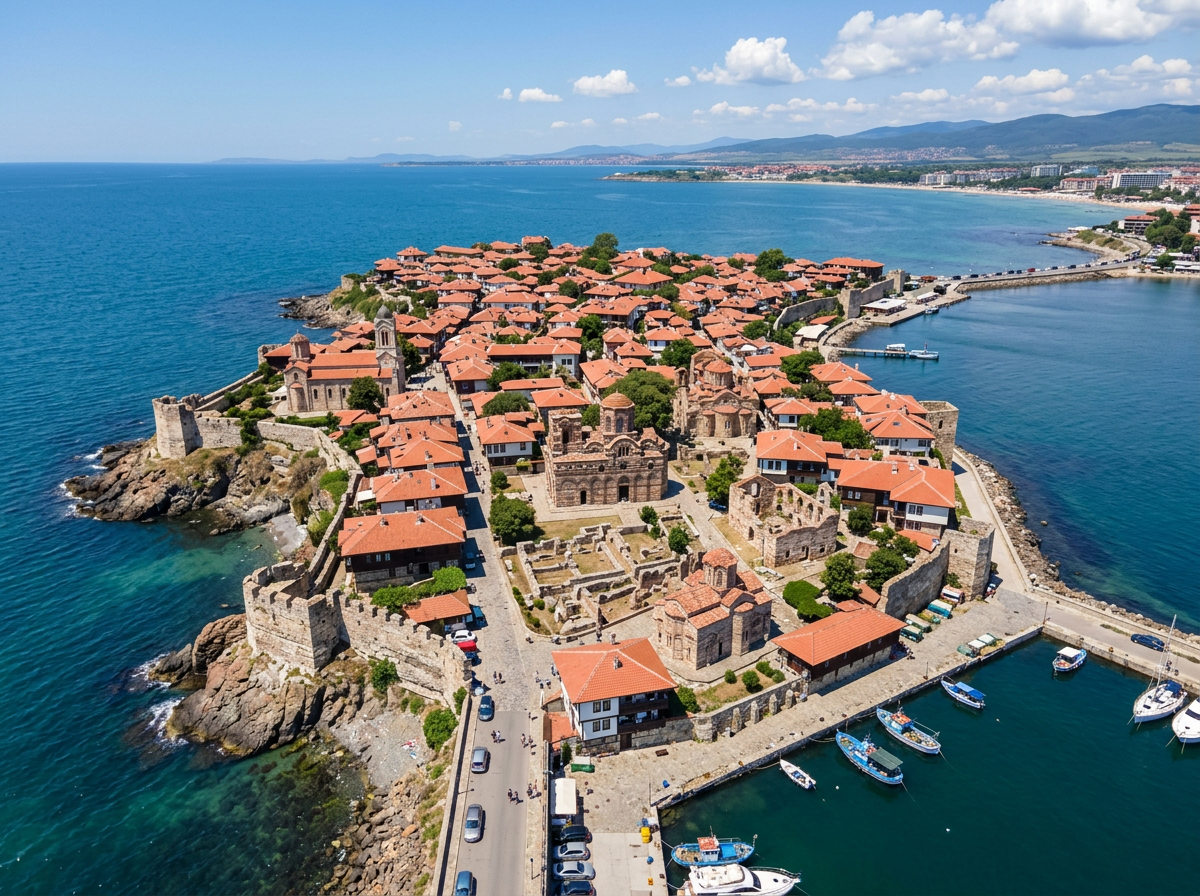
Nessebar
A UNESCO-listed ancient town located on a small peninsula.
Highlights:
- Byzantine churches
- Stone streets
- Sea views
- Historic architecture
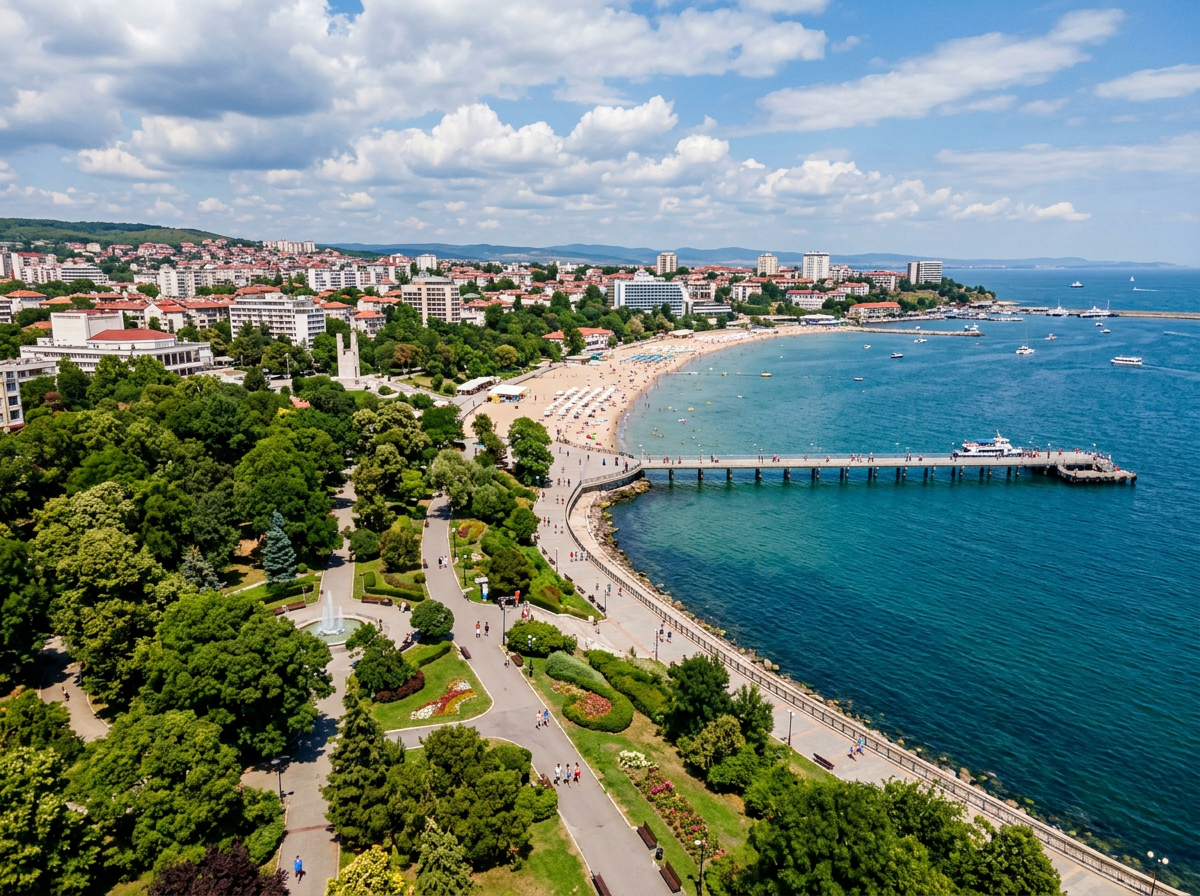
Burgas
A relaxed coastal city offering beautiful parks and beaches.
Top attractions:
- Sea Garden
- Burgas Beach
- Salt Lakes
- St. Anastasia Island
Hidden Gems in Bulgaria
If you want to explore beyond the tourist hotspots, consider:
- Belogradchik Fortress
- Melnik
- Devil’s Throat Cave
- Prohodna Cave (God’s Eyes)
- Rhodope Mountains
- Koprivshtitsa
- Shiroka Laka
- Etar Open-Air Museum
Best Things to Do in Bulgaria
- Visit ancient Roman ruins
- Explore medieval castles
- Relax on the Black Sea coast
- Hike the Rila Mountains
- Taste Bulgarian wines
- Discover charming villages
- Ski during winter
- Visit monasteries
- Experience local folklore festivals
- Enjoy traditional Bulgarian cuisine
Bulgarian Food You Must Try
No visit to Bulgaria is complete without tasting its traditional dishes.
Banitsa
A flaky pastry filled with cheese and eggs.
Shopska Salad
The country’s most famous salad made with tomatoes, cucumbers, peppers, onions, and grated white cheese.
Kavarma
A slow-cooked meat and vegetable stew.
Kebapche
Grilled minced meat seasoned with traditional spices.
Tarator
A refreshing cold yogurt and cucumber soup.
Moussaka (Bulgarian Style)
Different from the Greek version, typically made with potatoes and minced meat.
Lyutenitsa
A roasted pepper and tomato spread served with bread.
Kiselo Mlyako
Bulgaria’s world-famous yogurt known for its unique probiotic cultures.

Vegetarian Travelers
Vegetarians will enjoy:
- Shopska Salad
- Tarator
- Grilled vegetables
- Bean soup
- Stuffed peppers
- Mushroom dishes
- Fresh pastries
- Local cheeses
Transportation in Bulgaria
Traveling around Bulgaria is affordable and convenient.
Options include:
- Domestic buses
- Trains
- Rental cars
- Metro in Sofia
- Intercity coaches
- Taxis
- Ride-sharing services in major cities
Budget Guide
Budget Traveler
Approximately €35–60 per day
Includes:
- Hostels
- Public transportation
- Local restaurants
Mid-Range Traveler
Approximately €70–140 per day
Includes:
- Comfortable hotels
- Guided tours
- Nice restaurants
Luxury Traveler
Approximately €180+ per day
Includes:
- Luxury hotels
- Private tours
- Fine dining
- Spa resorts
Suggested 10-Day Bulgaria Itinerary
Day 1 – Arrive in Sofia
Begin your Bulgarian adventure in the country’s vibrant capital. Visit the magnificent Alexander Nevsky Cathedral, one of the largest Orthodox churches in the Balkans, then explore St. Sofia Church, the National Assembly, and the charming streets surrounding the city center. Walk along the lively Vitosha Boulevard, filled with cafés, shops, and restaurants, before enjoying a traditional Bulgarian dinner featuring Banitsa or Kavarma.
Day 2 – Discover Sofia & Vitosha Mountain
Spend the morning visiting Boyana Church, a UNESCO World Heritage Site famous for its medieval frescoes. Continue to the National History Museum to learn about Bulgaria’s fascinating past. In the afternoon, head to Vitosha Mountain via cable car or car to enjoy panoramic views, hiking trails, or simply relax in the fresh mountain air. End the evening at one of Sofia’s cozy wine bars or traditional taverns.
Day 3 – Rila Monastery & Bansko
Drive through scenic mountain landscapes to the breathtaking Rila Monastery, Bulgaria’s most famous religious landmark and a UNESCO World Heritage Site. Admire its colorful frescoes, ornate architecture, and peaceful courtyards. Continue to Bansko, a picturesque mountain town known for its traditional stone houses. Wander through the old town, sample local cuisine, and unwind at a thermal spa.
Day 4 – Explore Pirin National Park
Spend the day enjoying the natural beauty of Pirin National Park, another UNESCO-listed destination. During summer, hike scenic trails leading to crystal-clear alpine lakes and breathtaking viewpoints. In winter, enjoy skiing or snowboarding on some of Eastern Europe’s best slopes. Nature lovers can also visit charming mountain villages nearby and experience authentic Bulgarian hospitality.
Day 5 – Plovdiv
Travel to Plovdiv, one of the oldest continuously inhabited cities in Europe. Explore the beautifully preserved Old Town, visit the impressive Ancient Roman Theatre, and discover the Roman Stadium beneath the modern city streets. Spend the afternoon wandering through the colorful Kapana Creative District, filled with art galleries, boutique shops, cafés, and lively street art before enjoying dinner in one of the city’s historic restaurants.
Day 6 – Veliko Tarnovo & Arbanasi
Head north to Veliko Tarnovo, Bulgaria’s medieval capital. Explore the spectacular Tsarevets Fortress, once home to Bulgarian kings, and enjoy panoramic views over the winding Yantra River. Walk along Samovodska Charshia, a traditional artisan street lined with craft workshops and souvenir shops. If time allows, visit the nearby village of Arbanasi, famous for its historic mansions and beautifully decorated churches.
Day 7 – Varna & The Black Sea Coast
Travel east to Varna, often called Bulgaria’s seaside capital. Relax in the expansive Sea Garden, stroll along the beach promenade, and visit the Roman Baths, one of the largest ancient bath complexes in Europe. The Varna Archaeological Museum is also worth visiting, especially to see the world-famous Varna Gold Treasure, considered the oldest worked gold ever discovered.
Day 8 – Nessebar & Sunny Beach
Spend the morning exploring Nessebar, a UNESCO World Heritage Site situated on a charming peninsula. Wander through its cobblestone streets, admire Byzantine churches, browse artisan shops, and enjoy fresh seafood overlooking the Black Sea. In the afternoon, continue to Sunny Beach, where you can relax on golden sands, enjoy water sports such as jet skiing and parasailing, or experience the lively nightlife.
Day 9 – Burgas & Southern Black Sea
Discover the coastal city of Burgas, known for its relaxed atmosphere and beautiful waterfront. Walk through the Sea Garden, visit Burgas Beach, and explore the nearby Atanasovsko Lake, famous for its pink salt lakes and rich birdlife. If you have extra time, take a boat excursion to St. Anastasia Island, home to a historic monastery, museum, and stunning sea views.
Day 10 – Scenic Return to Sofia
Return to Sofia at a leisurely pace, stopping at scenic villages or local wineries along the way if traveling by car. Pick up authentic Bulgarian souvenirs such as rose oil products, handmade ceramics, local wines, lavender products, or traditional embroidery. Enjoy one final Bulgarian meal before heading to the airport or continuing your Balkan adventure to Romania, Serbia, North Macedonia, Greece, or Türkiye.
Travel Tips
- Carry some cash for smaller towns.
- Credit cards are widely accepted in cities.
- Learn a few Bulgarian phrases—locals appreciate the effort.
- Summer is ideal for beaches, while winter is perfect for skiing.
- Wear comfortable shoes for cobblestone streets.
- Always validate public transport tickets where required.
- Book ski accommodation early during peak winter months.
- Respect monastery dress codes.
Safety in Bulgaria
Bulgaria is generally considered a safe destination for tourists.
Basic precautions:
- Watch your belongings in crowded areas.
- Use licensed taxis or reputable ride-hailing services.
- Keep copies of important documents.
- Stay aware in nightlife districts.
Sustainable Travel
Help preserve Bulgaria’s natural and cultural heritage by:
- Supporting local businesses.
- Respecting hiking trails.
- Reducing plastic waste.
- Choosing eco-friendly accommodations.
- Respecting wildlife.
- Following local customs and traditions.
Frequently Asked Questions (FAQ)
Is Bulgaria expensive to visit?
No. Bulgaria is one of Europe’s most affordable travel destinations.
Do I need cash?
Cards work well in major cities, but carrying some Bulgarian Lev is useful in smaller towns.
Is Bulgaria safe for solo travelers?
Yes. Bulgaria is generally safe for solo travelers who follow normal travel precautions.
How many days do I need?
A 7–10 day itinerary allows you to experience the country’s cities, mountains, monasteries, and Black Sea coast.
Can I drink tap water?
Tap water is generally safe in most urban areas, though bottled water is also widely available.
What souvenirs should I buy?
Popular souvenirs include:
- Rose oil products
- Bulgarian wine
- Local honey
- Handmade ceramics
- Traditional embroidery
- Wooden crafts
- Lavender products
Final Thoughts
Bulgaria is a destination that surprises visitors with its remarkable diversity. From ancient Roman ruins and medieval fortresses to snow-covered mountain resorts and sunny Black Sea beaches, the country offers experiences that rival Europe’s most famous destinations—often at a fraction of the cost.
Whether you’re planning a cultural city break, a hiking adventure, a ski holiday, or a relaxing beach vacation, Bulgaria deserves a place on your European travel bucket list.
🌍 Follow MutluCicekler.com for More Travel Inspiration!
Love discovering new destinations? Follow mutlucicekler.com for detailed travel guides, hidden gems, local food recommendations, practical travel tips, and carefully planned itineraries from around the world. New travel articles and expert guides are published regularly to help you plan your next unforgettable adventure.











Bir Cevap Yazın