
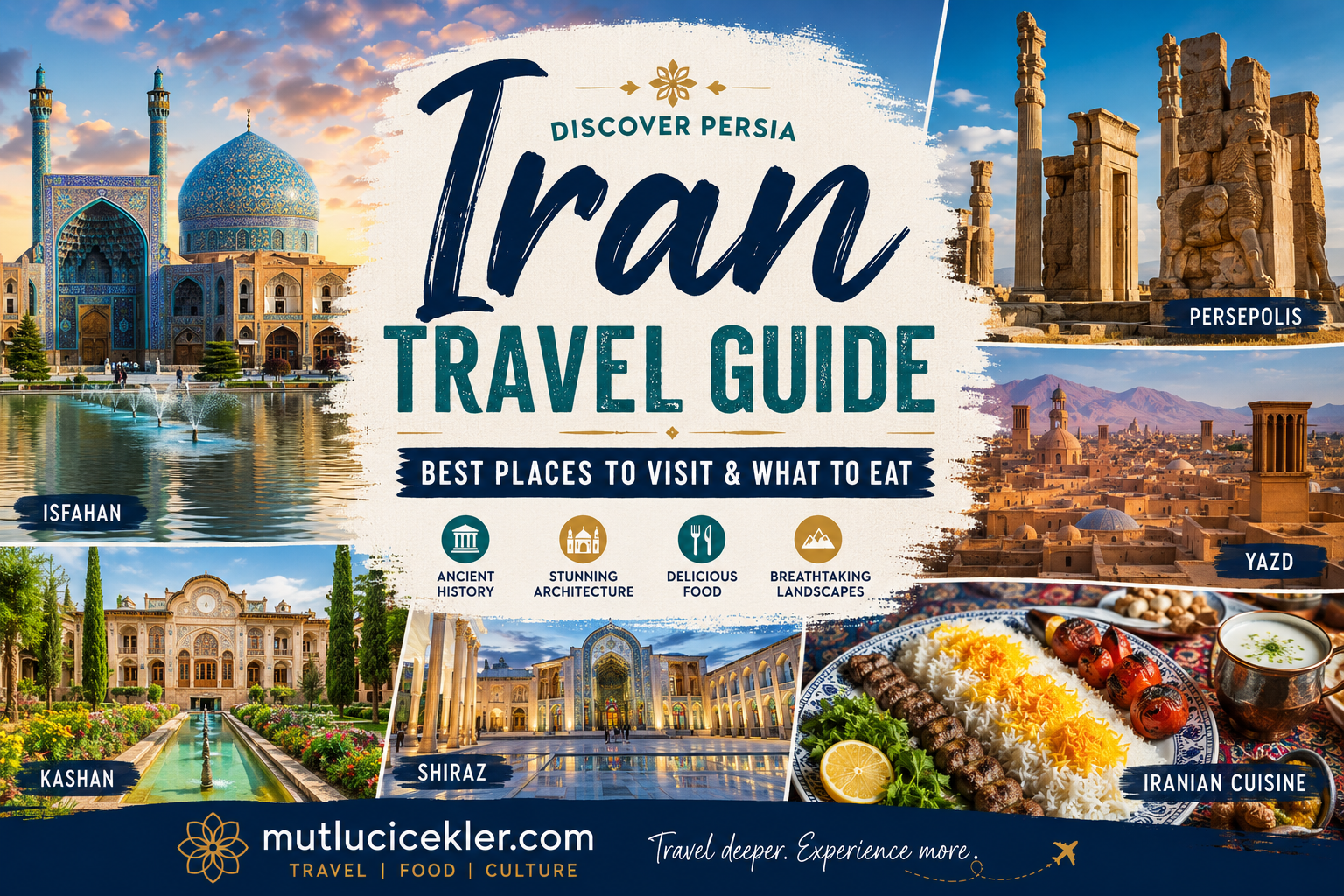
Iran is one of the most historically fascinating destinations in the Middle East. Ancient Persian ruins, turquoise-domed mosques, atmospheric bazaars, desert cities, mountain landscapes and a rich culinary tradition make the country remarkably diverse.
For travelers interested in history, architecture and local culture, Iran offers experiences that are difficult to find anywhere else. From the monumental ruins of Persepolis to the elegant squares of Isfahan and the mud-brick streets of Yazd, a journey through Iran reveals thousands of years of Persian heritage.
This Iran travel guide covers the best places to visit in Iran, what to eat, when to go, transportation, practical travel tips and a suggested 7-day itinerary.
🇮🇷 Iran at a Glance
📍 Capital: Tehran
🗣️ Official Language: Persian (Farsi)
💰 Currency: Iranian Rial (IRR)
🕌 Major Religion: Islam
⏰ Time Zone: Iran Standard Time
🏛️ Famous For: Persian history, Islamic architecture, bazaars, carpets, poetry and cuisine
🌍 Region: Western Asia / Middle East
🗓️ Ideal Trip Length: 7–10 days for a first visit
Iran has an exceptionally rich cultural heritage. UNESCO currently lists dozens of Iranian World Heritage properties, including Persepolis, Meidan Emam in Isfahan, the Historic City of Yazd, Persian Gardens and the Lut Desert.
Best Places to Visit in Iran
1. Tehran – The Dynamic Capital
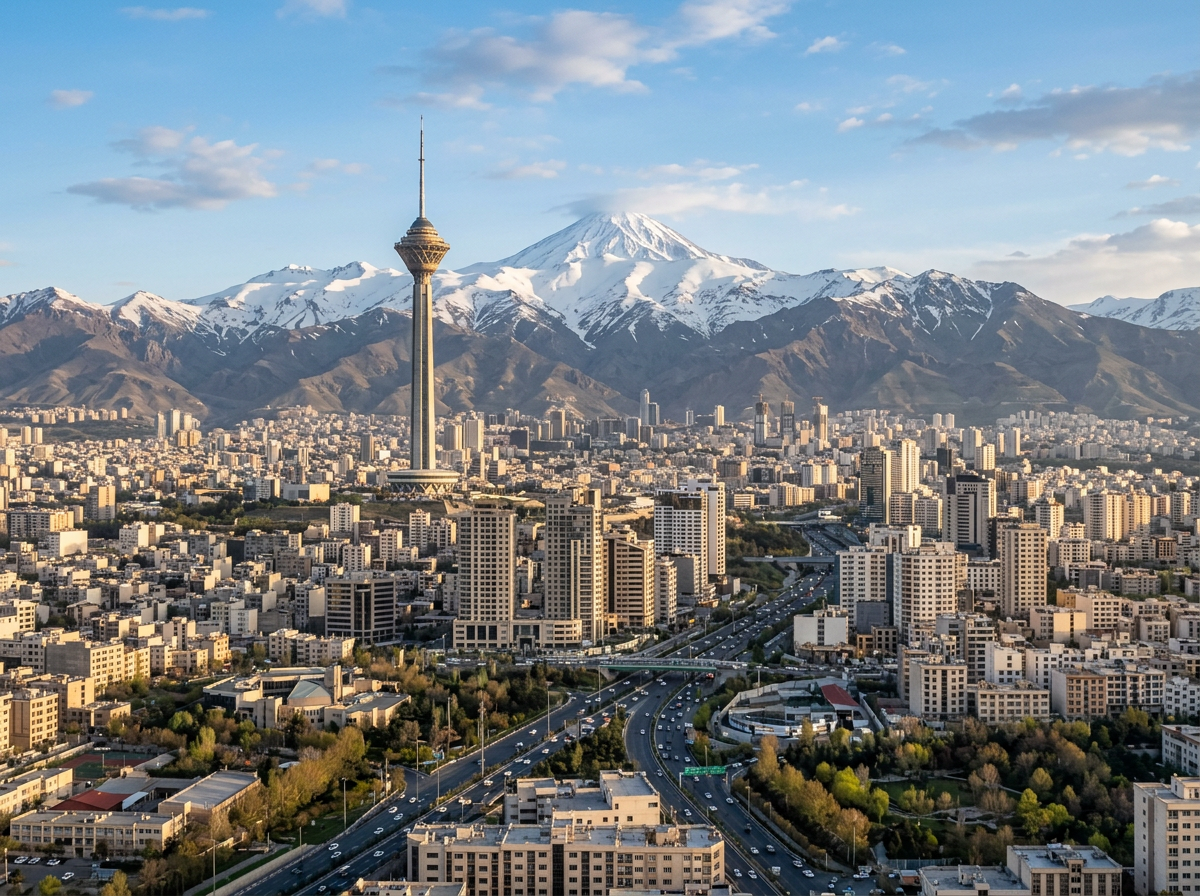
Tehran is the country’s enormous capital and often the starting point for international visitors.
Although travelers sometimes rush through the city on their way to Iran’s ancient destinations, Tehran deserves at least one full day. It combines royal palaces, museums, traditional bazaars and modern urban life.
Top Things to See in Tehran
Golestan Palace
One of Tehran’s most beautiful historical landmarks, Golestan Palace combines traditional Persian craftsmanship with European architectural influences.
The palace complex is also recognized as a UNESCO World Heritage Site.
Grand Bazaar
Tehran’s vast bazaar is an excellent place to experience the atmosphere of traditional Iranian commerce.
Expect narrow passages filled with carpets, spices, textiles, jewelry and household goods.
National Museum of Iran
History lovers should make this one of their priorities. Its collections help visitors understand the civilizations that shaped ancient Persia.
Tabiat Bridge
For something more contemporary, visit Tabiat Bridge, one of modern Tehran’s recognizable landmarks and a popular evening gathering place.
How Long to Stay
Plan approximately 1–2 days in Tehran.
2. Isfahan – The Architectural Jewel of Iran
If you only have time for a few destinations in Iran, Isfahan should be near the top of your list.
The city became especially important during the Safavid era and contains some of the country’s finest examples of Persian-Islamic architecture.
At its heart lies the spectacular Naqsh-e Jahan Square, officially listed by UNESCO as Meidan Emam.
Best Places to Visit in Isfahan
Naqsh-e Jahan Square
This enormous historic square is surrounded by mosques, palaces and bazaars.
Spend time walking around the square rather than simply photographing it. Its scale and architectural details become much more impressive when explored slowly.
Shah Mosque
Also known as Imam Mosque, this masterpiece is famous for its blue tilework, monumental entrance and elegant proportions.
Sheikh Lotfollah Mosque
Smaller than the Shah Mosque but extraordinarily beautiful, Sheikh Lotfollah Mosque is particularly famous for its dome and intricate decoration.
Ali Qapu Palace
Climb through this Safavid palace for views overlooking Naqsh-e Jahan Square.
Si-o-se-pol Bridge
The historic bridge crossing the Zayandeh River is one of Isfahan’s most recognizable landmarks.
How Long to Stay
Allow 2 days to explore Isfahan comfortably.

3. Shiraz – Poetry, Gardens and Persian Culture
Shiraz has long been associated with Persian poetry, gardens and literature.
The city provides a more relaxed atmosphere than Tehran and is also the best base for visiting one of Iran’s greatest archaeological treasures: Persepolis.
Best Places to Visit in Shiraz
Nasir al-Mulk Mosque
Often called the Pink Mosque, Nasir al-Mulk is famous for its stained-glass windows and colorful interior.
Morning light can create spectacular patterns across the prayer hall.
Eram Garden
Persian gardens are an important part of Iran’s cultural heritage, and Eram Garden is one of Shiraz’s best-known examples.
Vakil Bazaar
Explore traditional shops selling carpets, handicrafts, spices and souvenirs.
Tomb of Hafez
Hafez is one of Persia’s most celebrated poets. His tomb remains an important cultural site for Iranians and visitors alike.
Don’t Miss: Persepolis
Approximately 60 km northeast of Shiraz lies Persepolis, the ceremonial capital of the Achaemenid Empire.
Founded under Darius I and expanded by later Persian kings, the site contains monumental staircases, columns, gateways and reliefs depicting delegations from across the ancient empire.
Persepolis has been recognized as a UNESCO World Heritage Site since 1979.
For history lovers, it is arguably the most important archaeological attraction in Iran.
How Long to Stay
Plan 2 days, including your Persepolis excursion.

4. Yazd – Iran’s Desert City
Yazd offers a completely different experience.
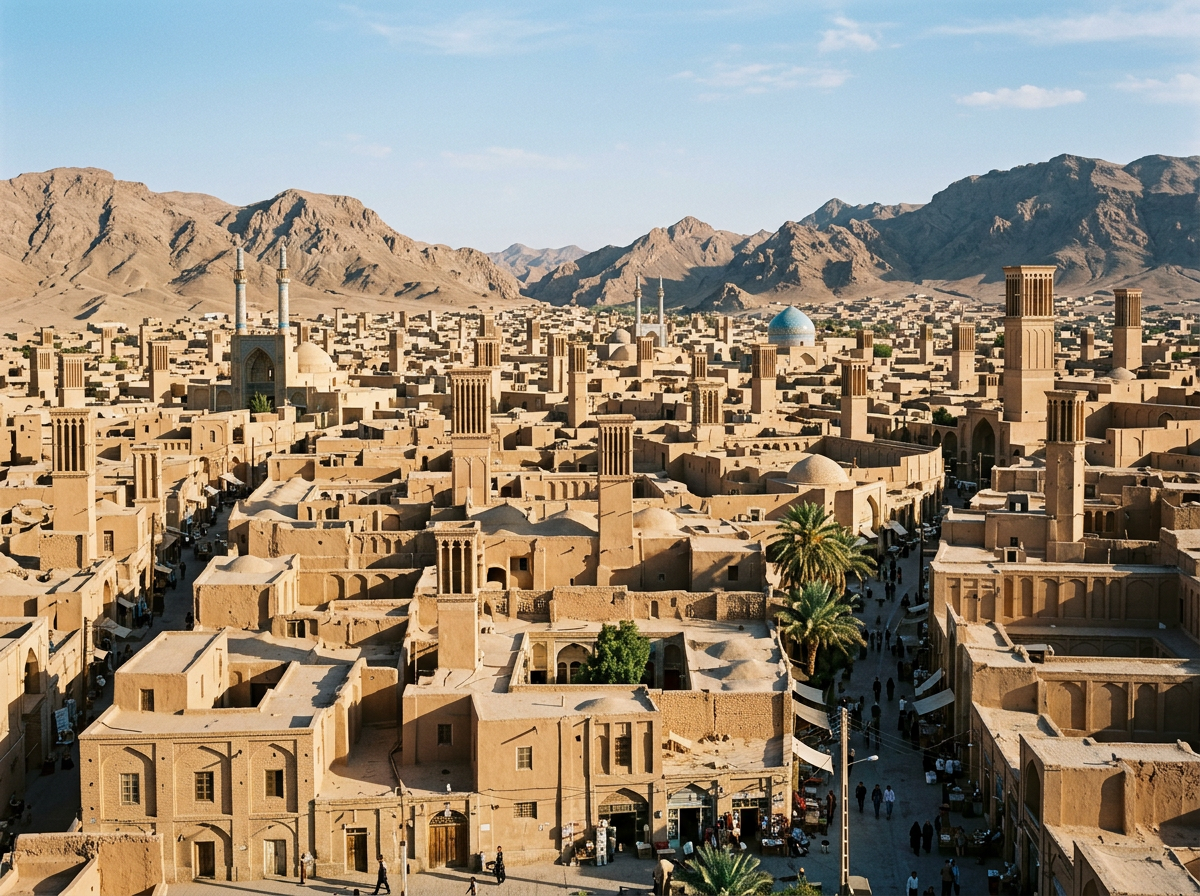
Located on the Iranian plateau, the historic city developed sophisticated architectural techniques to cope with its desert environment.
UNESCO recognizes the Historic City of Yazd for its remarkable adaptation to limited desert resources, including its traditional qanat water systems and earthen architecture.
Walking through Yazd’s old neighborhoods feels like entering another era.
Best Things to See in Yazd
Historic Old Town
Wander through narrow lanes surrounded by traditional mud-brick buildings.
Getting slightly lost is part of the experience.
Amir Chakhmaq Complex
This monumental façade is one of the city’s most photographed landmarks.
Jameh Mosque of Yazd
The mosque is recognizable by its tall minarets and elaborate blue-tiled entrance.
Windcatchers
Traditional badgir towers channel air into buildings and represent an ingenious form of passive cooling.
Zoroastrian Heritage
Yazd has long been an important center of Iran’s Zoroastrian community.
Sites connected with this ancient religion provide another perspective on the country’s long and complex history.
How Long to Stay
Allow approximately 1–2 days.
5. Kashan – Traditional Houses and Persian Gardens
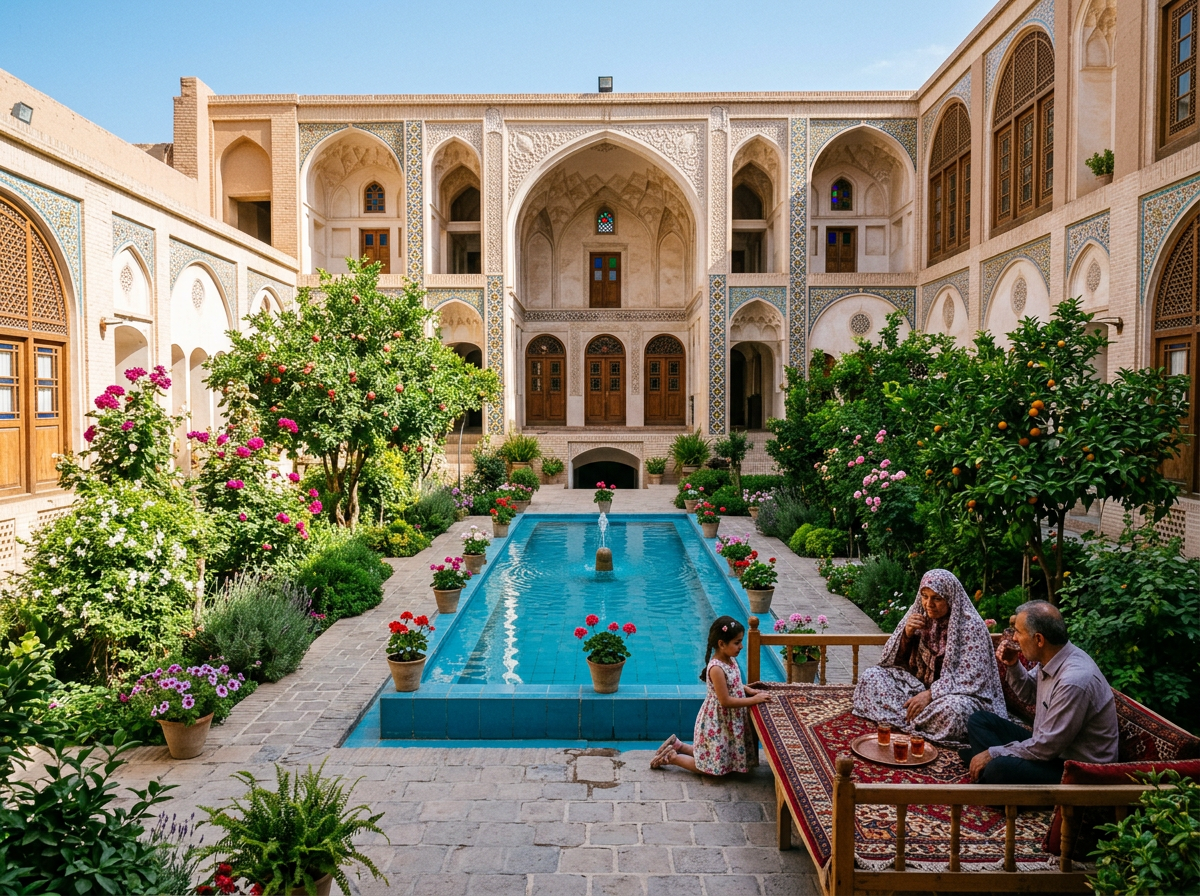
Located between Tehran and Isfahan, Kashan makes an excellent addition to a classic Iran itinerary.
The city is particularly famous for elaborate historic residences that belonged to wealthy merchant families.
What to See in Kashan
Tabatabaei House
One of the finest examples of traditional residential architecture in Iran.
Borujerdi House
Another beautifully preserved mansion featuring courtyards, decorative plasterwork and traditional architectural details.
Fin Garden
One of Iran’s celebrated Persian gardens, Fin Garden combines water, trees and architecture according to classical Persian garden principles.
Kashan Bazaar
Visit for traditional shops, historic architecture and a glimpse of everyday commerce.
How Long to Stay
One day is enough for the main attractions, although staying overnight creates a more relaxed itinerary.
What to Eat in Iran
Iranian cuisine is aromatic, colorful and incredibly diverse. Rice, herbs, saffron, vegetables, meat, nuts and fruits appear frequently in traditional dishes.
Here are some foods worth trying during your trip.
🍢 Chelow Kebab
One of Iran’s classic meals.
Grilled meat is typically served with fluffy Persian rice, grilled tomatoes and sometimes butter or saffron.
🍲 Ghormeh Sabzi
Often considered one of the essential dishes of Persian cuisine.
This slow-cooked stew combines herbs, beans and meat with dried lime, producing a distinctive savory and slightly sour flavor.
🍛 Fesenjan
A rich Persian stew traditionally prepared with walnuts and pomegranate molasses.
Its sweet-and-sour flavor makes it one of Iran’s most memorable dishes.
🍚 Tahdig
The crispy layer of rice formed at the bottom of the pot is known as tahdig.
For many people, it is the best part of Persian rice.
🥣 Ash Reshteh
A thick noodle soup containing herbs and legumes, commonly topped with kashk, a fermented dairy product.
🍦 Saffron Ice Cream
Known as bastani sonnati, traditional Persian ice cream is often flavored with saffron, rosewater and pistachios.
🍹 Doogh
A refreshing yogurt-based drink commonly served with meals.

Suggested 7-Day Iran Itinerary
A week is relatively short for a country as large and historically rich as Iran, but first-time visitors can still experience several highlights.
Day 1 – Tehran
Arrive in Tehran and begin with Golestan Palace.
Continue toward the Grand Bazaar before visiting one of the city’s major museums.
Finish your day around Tabiat Bridge or another modern neighborhood.
Overnight: Tehran
Day 2 – Tehran → Kashan → Isfahan
Travel south toward Kashan.
Visit Fin Garden and one or two of the city’s famous historic houses before continuing to Isfahan.
Overnight: Isfahan
Day 3 – Isfahan
Dedicate the day to Naqsh-e Jahan Square and its surrounding monuments.
Visit Shah Mosque, Sheikh Lotfollah Mosque and Ali Qapu Palace before exploring the bazaar.
In the evening, walk around the historic bridges.
Overnight: Isfahan
Day 4 – Isfahan → Yazd
Spend your morning seeing any remaining Isfahan attractions before traveling to Yazd.
After arrival, explore the historic center around sunset.
Overnight: Yazd
Day 5 – Yazd → Shiraz
Visit Yazd’s old town, Jameh Mosque and Amir Chakhmaq Complex.
Continue toward Shiraz.
Because the distance is significant, much of this day may involve transportation.
Overnight: Shiraz
Day 6 – Persepolis & Shiraz
Take a morning excursion to Persepolis.
After exploring the archaeological site, return to Shiraz and visit the Tomb of Hafez or Vakil Bazaar.
Overnight: Shiraz
Day 7 – Shiraz
Visit Nasir al-Mulk Mosque early in the morning.
Continue to Eram Garden and spend the remainder of the day exploring central Shiraz before departure or onward travel.
Best Time to Visit Iran
🌸 Spring
March to May is generally one of the most comfortable periods for exploring many of Iran’s classic cultural destinations.
Temperatures are usually more suitable for sightseeing than during midsummer.
🍂 Autumn
September to November can also offer pleasant conditions, particularly for city-based itineraries.
☀️ Summer
Summer temperatures can become extremely hot in central and southern regions, particularly around desert destinations such as Yazd.
❄️ Winter
Winter conditions vary considerably by region.
Mountainous northern and western areas can be cold and snowy, while southern Iran generally experiences milder temperatures.
Getting Around Iran
Iran is a large country, so transportation planning is important.
Domestic Flights
Flights can save significant time when traveling between distant cities.
Buses
Intercity buses connect most major destinations and are commonly used for routes such as Tehran–Isfahan or Isfahan–Shiraz.
Trains
Iran also has a railway network connecting several major cities.
Taxis
Taxis and local ride services are commonly used within larger cities.
Always check the latest transportation situation before your journey.
Money and Payments
Travelers should research payment arrangements carefully before arriving in Iran.
International banking restrictions can make foreign cards and standard international payment networks difficult or impossible to use.
Carrying and managing appropriate funds therefore requires more preparation than in many other destinations.
Exchange rates and payment arrangements can change, so verify current information shortly before traveling.
Dress Code and Local Customs
Iran has specific laws and social customs concerning clothing and public behavior.
Visitors should familiarize themselves with current requirements before arrival and dress conservatively.
When visiting mosques and religious sites, additional clothing requirements may apply.
Always follow local instructions and posted rules.
Important Travel & Safety Information
Travel conditions in Iran can change quickly due to political, security and regional developments.
Entry rules may also depend heavily on your nationality.
Before booking flights or accommodation:
- Check your government’s current travel advisory for Iran.
- Verify visa requirements for your passport.
- Check current entry and exit regulations.
- Confirm whether independent travel is permitted for your nationality.
- Review local laws and restrictions.
- Obtain appropriate travel insurance where valid and available.
- Check the latest regional security situation immediately before departure.
Never rely exclusively on an older travel article for visa, border or safety information.
Iran Travel Tips
Learn a few Persian words. Even basic greetings such as salaam can make everyday interactions easier.
Allow enough travel time. Distances between major Iranian cities can be substantial.
Respect photography restrictions. Avoid photographing military facilities, government buildings or other sensitive infrastructure.
Download useful information in advance. Internet availability and access to certain online services may differ from what international travelers are accustomed to.
Plan your finances before arrival. Payment restrictions require more preparation than in many destinations.
Respect religious sites. Follow local dress requirements and visitor instructions.
Is Iran Worth Visiting?
From a purely cultural and historical perspective, Iran contains an extraordinary concentration of archaeological sites, Persian architecture, historic cities and culinary traditions.
Persepolis alone provides a fascinating window into the Achaemenid Empire, while Isfahan showcases the sophistication of Safavid architecture. Yazd demonstrates how communities adapted architecture and water-management systems to desert life, and Shiraz remains deeply connected with Persian poetry and gardens.
However, deciding whether and when to travel requires more than considering attractions. Current security conditions, official travel advisories, entry restrictions and your nationality should all be considered before planning a trip.
Frequently Asked Questions About Traveling to Iran
How many days do you need in Iran?
Around 7–10 days works for a first trip covering several major destinations. Travelers who want to explore more regions should consider two weeks or longer.
What are the best places to visit in Iran?
For a first visit, Tehran, Isfahan, Shiraz, Yazd and Kashan create a strong introduction to Iran’s history, architecture and culture.
What is Iran famous for?
Iran is particularly known for ancient Persian civilization, Persepolis, Persian carpets, poetry, Islamic architecture, traditional bazaars, gardens and Persian cuisine.
Is Persepolis worth visiting?
Absolutely for travelers interested in ancient history. Persepolis was one of the great ceremonial centers of the Achaemenid Empire and remains one of Iran’s most important archaeological sites.
What food should I try in Iran?
Start with chelow kebab, ghormeh sabzi, fesenjan, tahdig, ash reshteh and Persian saffron ice cream.
What is the best season to visit Iran?
Spring and autumn generally offer the most comfortable temperatures for classic sightseeing itineraries, although conditions vary considerably across the country.
Do tourists need a visa for Iran?
Visa requirements depend on nationality and can change. Travelers should check the latest requirements with official Iranian diplomatic authorities and their own government’s travel guidance before making arrangements.
Final Thoughts
Iran’s extraordinary history stretches from the great empires of ancient Persia to the architectural achievements of the Islamic period and the country’s modern cities.
A classic journey through Tehran, Kashan, Isfahan, Yazd and Shiraz provides a fascinating introduction to this heritage. Wander beneath Isfahan’s turquoise domes, discover desert architecture in Yazd, explore Persian gardens and stand among the monumental ruins of Persepolis.
For travelers fascinated by archaeology, architecture, food and Persian culture, Iran is a destination with enormous cultural depth.
Because travel conditions and regulations can change, always check current official travel advisories, visa requirements and local regulations before arranging your journey.
Follow mutlucicekler.com for more travel guides, destination inspiration, traditional foods and practical travel tips from around the world.











Bir Cevap Yazın