


Belarus is one of Eastern Europe’s most intriguing destinations, offering a fascinating mix of monumental architecture, medieval castles, vast forests, peaceful cities, and traditional cuisine. While it receives fewer international visitors than many neighboring European countries, this is exactly what makes traveling through Belarus feel different.
The capital, Minsk, combines impressive avenues, museums, green parks, and monumental Soviet-era architecture. Beyond the capital, travelers can discover UNESCO-listed castles, historic towns, forests, and important World War II sites.
If you are planning your first trip, this Belarus travel guide covers the best places to visit in Belarus, traditional foods to try, transportation, the best time to visit, practical travel tips, and a suggested 5-day Belarus itinerary.
Important Travel Note: Entry requirements, border crossings, flight availability, visa policies, payment options, and security conditions related to Belarus can change. Always check the latest official travel advice and entry regulations before booking your trip.
🇧🇾 Belarus at a Glance
📍 Capital: Minsk
🌍 Region: Eastern Europe
🗣️ Official Languages: Belarusian and Russian
💰 Currency: Belarusian Ruble (BYN)
🏙️ Largest City: Minsk
⏰ Time Zone: UTC+3
🏰 Known For: Medieval castles, forests, monumental architecture, historic cities and World War II heritage
🍽️ Cuisine: Potato dishes, meat, soups, pancakes and traditional comfort food
Best Places to Visit in Belarus
For first-time visitors, it is better to focus on a few major destinations rather than trying to cover the entire country. Minsk makes an excellent base, with several historic destinations accessible as day trips.
1. Minsk – The Capital of Belarus
Minsk is the natural starting point for most Belarus itineraries.
Much of the city was destroyed during World War II and subsequently rebuilt, resulting in the wide boulevards, enormous squares and monumental buildings that characterize central Minsk today.
However, the city is much more than its Soviet-era architecture. Parks, museums, riverside walking areas, cafés and reconstructed historic neighborhoods provide plenty to explore.
Best places to visit in Minsk
- Independence Square
- Independence Avenue
- Victory Square
- Upper Town
- Trinity Suburb
- Island of Tears
- National Library of Belarus
- Belarusian Great Patriotic War Museum
- Svislach River
Trinity Suburb
Located beside the Svislach River, Trinity Suburb is one of the most recognizable areas of Minsk.
Its colorful buildings and riverside location provide a pleasant contrast to the monumental architecture found elsewhere in the capital.
The neighborhood is particularly enjoyable for an evening walk.
Upper Town
Another area worth exploring is Minsk’s Upper Town.
Historic and reconstructed architecture, churches, restaurants and pedestrian-friendly streets make this one of the best areas for visitors who want to experience a different side of the capital.

2. Mir Castle
Around 90 kilometers southwest of Minsk, the small town of Mir is home to one of Belarus’s most famous landmarks.
The Mir Castle Complex combines several architectural styles, including Gothic, Renaissance and Baroque influences.
Construction began around the beginning of the 16th century, and the complex underwent numerous changes over the following centuries.
Today, Mir Castle is included on the UNESCO World Heritage List.
Visitors can explore the castle complex, courtyards and surrounding grounds while learning about the noble families associated with its history.
Why visit Mir Castle?
🏰 One of Belarus’s most recognizable landmarks
📸 Excellent photography opportunities
📜 Fascinating history
🌍 UNESCO World Heritage Site
🚗 Possible day trip from Minsk

3. Nesvizh
Nesvizh is another essential destination for travelers interested in Belarusian history.
The main attraction is the Architectural, Residential and Cultural Complex of the Radziwiłł Family at Nesvizh, another UNESCO World Heritage Site.
The Radziwiłł family was one of the most influential aristocratic families in the region, and the palace complex reflects centuries of architectural and cultural development.
Things to see in Nesvizh
- Nesvizh Castle
- Corpus Christi Church
- Historic Town Hall
- Central square
- Palace gardens
- Surrounding parkland
Because Mir and Nesvizh are relatively close to one another, travelers commonly combine both destinations into a single day trip from Minsk.

4. Brest
Located close to the Polish border, Brest is one of the oldest and most historically significant cities in Belarus.
Its most famous attraction is the Brest Fortress.
The fortress became an important symbol of resistance following the German invasion of the Soviet Union in June 1941.
Today, the enormous memorial complex contains monuments, ruins, museums and preserved defensive structures.
Things to do in Brest
- Visit Brest Fortress
- Walk along Sovetskaya Street
- Explore the city center
- Visit local museums
- Try traditional Belarusian cuisine
Brest has a noticeably different atmosphere from Minsk and can provide an interesting contrast to the capital.

5. Belovezhskaya Pushcha National Park
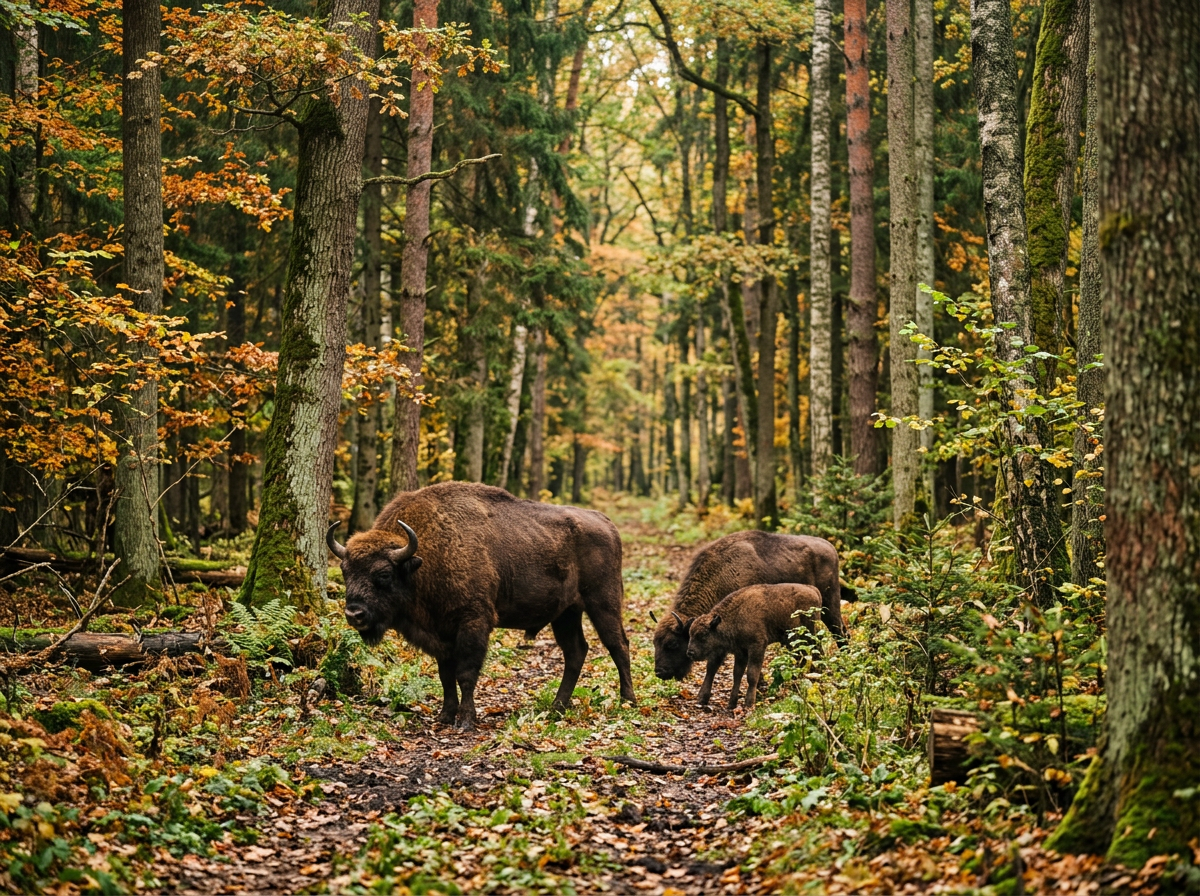
Travelers interested in nature should consider visiting Belovezhskaya Pushcha National Park, part of the vast primeval forest stretching across the Belarus–Poland border.
The wider Białowieża Forest is one of Europe’s most important surviving forest ecosystems and is recognized by UNESCO.
One of its most famous animals is the European bison, the largest land mammal in Europe.
Depending on access and current travel conditions, visitors can explore designated areas of the national park and learn about its wildlife and forest ecosystem.
🍽️ What to Eat in Belarus
Belarusian cuisine is hearty, simple and strongly influenced by ingredients traditionally available throughout the region.
Potatoes are especially important and appear in numerous traditional dishes.
Here are some foods worth trying during your trip.
Draniki
Perhaps the most famous Belarusian dish, draniki are crispy potato pancakes.
They are usually made with grated potatoes and onions and may be served with sour cream.
Some versions are also accompanied by meat or mushrooms.
🥔 Must-try level: ★★★★★
Machanka
Machanka is a rich traditional dish typically consisting of meat served with a thick sauce.
It is often eaten with pancakes that can be dipped into the sauce.
This is an excellent option for travelers looking for filling Belarusian comfort food.
Kalduny
Kalduny refers to traditional filled dumplings associated with Belarusian cuisine.
Different versions exist, with fillings that may include meat or mushrooms.
Babka
Belarusian potato babka is a baked potato dish traditionally prepared with grated potatoes and other ingredients.
It is another good example of the importance of potatoes in Belarusian cuisine.
Borscht
Although associated with several Eastern European cuisines, borscht is also widely eaten in Belarus.
The beet-based soup is typically served warm and may be accompanied by sour cream and bread.
Syrniki
For breakfast or dessert, look for syrniki.
These small cottage-cheese pancakes are commonly served with sour cream, jam, berries or other sweet toppings.


🗓️ Suggested 5-Day Belarus Itinerary
For a first visit, this itinerary combines Minsk’s major attractions with some of Belarus’s most important historical destinations.
Day 1 – Arrival in Minsk & Historic Center
Begin your Belarus adventure in Minsk.
Keep the first day relatively relaxed and explore the city on foot.
Suggested route:
Independence Square → Independence Avenue → Upper Town → Svislach River → Trinity Suburb → Island of Tears
Spend the evening around Upper Town and try your first traditional Belarusian meal.
Try: Draniki with sour cream.
Day 2 – Minsk Museums & Architecture
Dedicate your second day to Minsk’s history and monumental architecture.
Morning
Visit the Belarusian Great Patriotic War Museum to learn more about Belarus during World War II.
Afternoon
Continue toward:
- Victory Square
- Independence Avenue
- Central Minsk
- National Library of Belarus
If you prefer a slower itinerary, spend some time exploring Minsk’s parks and cafés between attractions.
Evening
Return to Upper Town or explore another part of central Minsk for dinner.
Day 3 – Mir Castle & Nesvizh
Make your third day one of the highlights of the trip.
Leave Minsk in the morning and travel toward Mir Castle.
Spend time exploring the castle and surrounding area before continuing to Nesvizh.
Suggested route:
Minsk → Mir Castle → Nesvizh Castle → Minsk
This day combines two of the country’s most important historical landmarks and two UNESCO-listed cultural sites.
Allow most of the day for this excursion.
Day 4 – Brest
Travel to Brest for a change of scenery.
Begin with the city’s most famous attraction, Brest Fortress.
Suggested itinerary:
Morning: Brest Fortress
Afternoon: Brest city center and Sovetskaya Street
Evening: Dinner and return or overnight stay depending on your transportation plans
Travel times should always be checked before planning this as a same-day return journey.
Day 5 – Minsk & Final Explorations
Use your final day to discover the parts of Minsk you missed earlier.
Depending on your interests, consider visiting another museum, walking through a park, shopping for souvenirs or spending a relaxed afternoon at a local café.
If your departure is late in the day, this is also a good opportunity to return to your favorite area of the city.
🌤️ Best Time to Visit Belarus
The most comfortable period for sightseeing is generally late spring through early autumn.
Spring – April to May
Spring brings gradually warmer temperatures and greener landscapes.
May can be particularly pleasant for walking around Minsk and visiting historic sites.
Summer – June to August
Summer offers long daylight hours and generally warmer conditions.
It is a good period for combining city sightseeing with nature-focused excursions.
July and August can occasionally become quite warm.
Autumn – September to October
Early autumn can be particularly beautiful as forests and parks begin changing color.
September is often a good compromise between comfortable weather and fewer summer visitors.
Winter – November to March
Winters can be cold, snowy and dark.
However, travelers comfortable with low temperatures may enjoy the distinctive winter atmosphere of Minsk and other Belarusian cities.
🚆 Getting Around Belarus
Public Transportation in Minsk
Minsk has an extensive public transportation network that includes:
🚇 Metro
🚌 Buses
🚎 Trolleybuses
🚋 Trams
The metro is particularly useful for traveling between different areas of the capital.
Trains
Rail travel traditionally connects Minsk with major cities such as Brest and other regional centers.
When planning your journey, check current schedules and ticket availability before departure.
Day Trips
For destinations such as Mir and Nesvizh, organized tours or private transportation can make planning easier, particularly for first-time visitors.
Always confirm current transportation options before your trip.
🏨 Where to Stay in Minsk
For first-time visitors, staying somewhere central makes sightseeing considerably easier.
Good areas to consider include locations around:
Independence Avenue
Convenient for transportation and major city attractions.
Upper Town
A good choice for travelers interested in restaurants, historic surroundings and evening walks.
Central Minsk
Staying close to metro stations can make exploring different neighborhoods easier.
When booking accommodation, check recent reviews, payment requirements and current regulations.
💰 Belarus Travel Budget
Travel costs can vary significantly depending on exchange rates, accommodation choices and current economic conditions.
Your main expenses will usually include:
- Accommodation
- Transportation
- Restaurants
- Museum tickets
- Day trips
- Travel insurance
- Mobile internet
- Souvenirs
Rather than relying on fixed prices from older travel guides, check current accommodation rates and transportation costs shortly before traveling.
📱 Internet & Connectivity
Mobile internet is widely used in Belarus, particularly in Minsk and larger cities.
Travelers should research current SIM card and roaming options before departure.
It is also useful to download important information before your trip, including:
- Offline maps
- Hotel reservation details
- Transportation information
- Travel insurance documents
- Important addresses
- Copies of travel documents
💡 Essential Belarus Travel Tips
1. Learn a few Russian phrases.
Russian is widely spoken, and knowing basic expressions can make everyday interactions easier.
2. Carry your travel documents.
Follow local requirements concerning identification and documentation.
3. Check payment options before traveling.
International banking and card availability can change because of financial restrictions.
4. Download offline maps.
They can be extremely useful when traveling outside Minsk.
5. Confirm transportation schedules.
Do not rely exclusively on old travel blogs for train and bus times.
6. Respect local laws and regulations.
Research current rules and official travel advice before your visit.
7. Purchase appropriate travel insurance.
Make sure your policy is valid for Belarus and covers your planned activities.
🧳 What to Pack for Belarus
Your packing list will depend heavily on the season.
For spring, summer and early autumn, consider bringing:
- Comfortable walking shoes
- Light jacket
- Rain jacket or compact umbrella
- Power bank
- Universal travel adapter if necessary
- Small daypack
- Copies of important documents
For winter travel, proper cold-weather clothing is essential.
Is Belarus Worth Visiting?
Belarus offers a very different travel experience from Europe’s most heavily visited destinations.
Its combination of monumental Minsk architecture, impressive castles such as Mir and Nesvizh, important historical sites and extensive natural landscapes can make it particularly interesting for travelers interested in history, architecture and lesser-visited destinations.
A 5-day Belarus itinerary provides enough time for a first introduction to Minsk and several of the country’s major attractions without trying to see too much in a short period.
Frequently Asked Questions About Belarus Travel
How many days do you need in Belarus?
Around 5 days can provide a good introduction for first-time visitors, particularly if you focus on Minsk and a few major historical attractions.
For a slower trip including more regional cities and nature, consider staying longer.
Is Minsk worth visiting?
Yes. Minsk contains impressive architecture, museums, parks, historic areas and broad avenues that create a distinctive urban landscape.
What is Belarus famous for?
Belarus is known for its extensive forests, medieval castles, World War II history, monumental architecture, traditional potato-based cuisine and European bison.
What food should I try in Belarus?
Start with draniki, then consider trying machanka, kalduny, potato babka, borscht and syrniki.
What language is spoken in Belarus?
Belarusian and Russian are the country’s official languages. Russian is widely used in everyday life.
Can Mir Castle and Nesvizh be visited on the same day?
They are commonly combined into a single excursion from Minsk because of their relative proximity. Check current transportation options and opening hours when planning your visit.
What is the best time to visit Belarus?
For comfortable sightseeing, May through September is generally the most attractive period, although weather conditions vary from year to year.
Final Thoughts
Belarus is a destination where medieval castles, enormous forests, Soviet-era architecture and traditional Eastern European cuisine come together.
For first-time visitors, Minsk, Mir Castle, Nesvizh, Brest and the country’s natural landscapes provide an excellent introduction to Belarus.
Plan your transportation carefully, leave enough time to explore Minsk on foot and make sure to sample traditional dishes such as draniki along the way.
Most importantly, because entry rules, transportation links, payment conditions and travel advisories concerning Belarus can change, always verify current official information before departure.
🌿 Follow mutlucicekler.com for more travel guides, destination inspiration, practical itineraries and food recommendations from around the world.
Bir yanıt yazın