

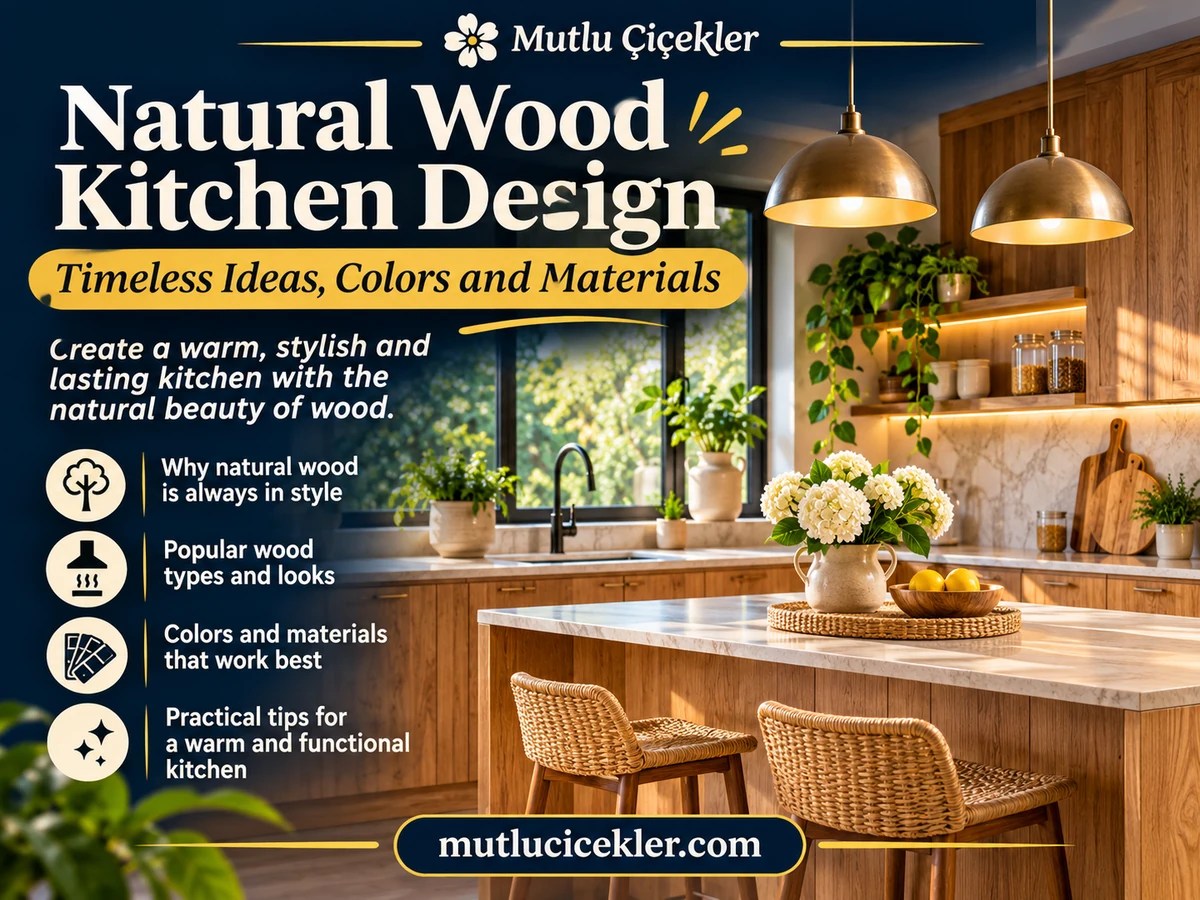
A natural wood kitchen does not have to follow a particular year or trend. Whether the room is compact or spacious, oak, walnut and other wood finishes can soften hard surfaces, introduce visual texture and create a setting that feels comfortable to use every day. The most successful designs balance the appearance of the grain with practical decisions about cabinetry, moisture, lighting, maintenance and cost.
This guide explains which wood looks work in different kitchens, how to pair them with countertops and wall colors, what to ask about cabinet construction, and where spending more—or less—makes sense. The aim is a warm, functional kitchen that will still feel right years from now.
Why choose natural wood for a kitchen?

Wood has a pattern that changes naturally from panel to panel. The result is warmth without relying on intense paint colors or decorative clutter. It can be the main material, as in an oak cabinet wall, or a quieter accent on an island, shelves or bar stools. Wood also pairs comfortably with metal, stone, ceramic tile, glass and greenery.
The look is flexible. A pale wood paired with flat-panel doors may feel minimal and contemporary; the same tone with framed doors and handmade tile may feel more traditional. What matters is proportion, the choice of finish, and consistency with the rest of the home.
Popular wood types and finishes
Wood species and surface treatments are two different choices. A wood can appear much lighter or darker depending on its stain, oil or coating, while two cabinets that look similar may be built from very different materials.
White oak: quiet grain and versatile color
White oak is a popular choice for calm, natural-looking kitchens. A light or medium finish works with creamy walls, warm gray stone, matte black fixtures and muted green details. Ask to see a full-size sample: the amount of grain movement, cut of the veneer and finishing process can make a substantial visual difference.
Honey-toned oak: welcoming rather than dated
Golden and honey finishes can create an inviting room when balanced with simple handles and restrained counter materials. If you already own well-built oak cabinets, repairing or refinishing them may be worth exploring before buying an entirely new set. Test a proposed finish on an inconspicuous area and confirm compatibility with the existing coating.
Walnut: richer contrast
Walnut offers deeper brown tones that can give an island, tall cabinet bank or open shelving a strong identity. In a small room, consider walnut as an accent rather than covering every wall in dark wood. Light countertops and layered task lighting help maintain a balanced overall effect.
Maple, ash and other lighter options
Maple often creates a smoother, quieter appearance, while ash can offer more noticeable grain. Availability, hardness, price and finish options vary by region and supplier. Choose from actual door samples rather than online photographs alone.
Four timeless ways to use wood in kitchen design

1. Full-height natural wood cabinetry
Using the same wood finish across tall pantry doors and lower cabinets creates a cohesive look. Break up a large wall of grain with a light backsplash, carefully positioned open space, or a simple range hood. Avoid adding unnecessary textures just to fill every surface.
2. A wood island with painted cabinets
An island is a useful place to introduce timber without committing to an all-wood kitchen. Pair a natural oak or walnut island with cream, warm white or deep green perimeter cabinets. Repeat its wood tone in a stool, shelf or small detail so it feels intentional.
3. Open shelves and small natural accents
Solid wood shelves, a coffee corner, a dining table or bar stools can create warmth at a lower cost than replacing cabinetry. Open shelves are best for frequently used items; consider cleaning and dusting before choosing them instead of closed storage.
4. Wood and stone together
Natural wood works well with light quartz, pale quartzite, ceramic tile and other practical work surfaces. Choose counters for stain resistance, cleaning requirements and everyday use first; choose the final color after comparing physical samples under the room’s actual lighting.
Natural wood, veneer, plywood or laminate: what should you choose?
A wood-look finish does not tell you how a cabinet is constructed. Ask the manufacturer for the door material, cabinet-box material, edge treatment, finish and warranty—not simply whether it is described as “wood.”
- Solid wood: commonly used for frames, rails, stiles and some doors. It can often be repaired or refinished, but it responds to moisture and temperature changes and may need joints that allow movement.
- Real wood veneer: a thin layer of genuine wood over a stable substrate. It provides real grain with efficient material use; durability depends on the substrate, adhesive, edge sealing and surface finish.
- Plywood: a layered engineered wood product used for many cabinet boxes and some fronts. Quality varies; ask about panel grade, construction, moisture suitability and edge protection.
- MDF or particleboard: engineered panel products that can deliver smooth finishes or cost savings. Their performance depends heavily on density, coatings, edges and how well they are protected from water.
- Wood-look laminate or thermofoil: can be practical and budget-friendly, but it is not the same as natural timber. Check resistance to heat, impact and edge lifting and ask whether damaged fronts can be repaired.
No single material is best in every situation. A strong design often combines different products where each performs well. In regions where composite wood emission requirements apply, check the supplier’s relevant documentation; the U.S. EPA explains why some pressed-wood materials and adhesives deserve attention when considering indoor air quality.
Best colors to pair with natural wood cabinets
- Warm white and cream: keep the kitchen bright without making honey or walnut undertones appear overly orange.
- Sage and olive green: work particularly well with oak and other warm, natural grains.
- Soft gray and greige: can create a more modern look when the undertones are tested together.
- Muted terracotta: introduces earthy depth; use it sparingly on walls, ceramics or textiles.
- Charcoal and matte black: add definition through hardware, lighting or a restrained contrasting cabinet run.
- Natural stone tones: unify wood with a backsplash or countertop without competing with its grain.
Compare every combination during daylight and again at night. Different bulbs and window orientations can change whether wood reads golden, pink, gray or brown. Carry a cabinet-door sample beside the floor and counter samples rather than choosing each independently.
Designing with natural wood in a small kitchen
Wood does not automatically make a small room feel dark. Pale finishes, streamlined hardware and fewer competing materials can help the space feel open. Keep the visual rhythm simple: one dominant wood tone, one main countertop, and a restrained wall or backsplash color. Closed storage may also create a calmer look than too many decorative shelves.
For a narrow kitchen, consider wood lower cabinets with light upper cabinets, or use natural timber on just one feature wall or island face. Good under-cabinet lighting and uncluttered work areas often make more difference to daily comfort than a fashionable finish.
Wood cabinet care: cleaning, moisture and durability
Natural wood changes slightly as indoor humidity changes. The USDA Forest Products Laboratory describes how moisture variation can cause swelling or shrinking. A suitable cabinet finish helps protect surfaces, but does not make them immune to prolonged water exposure.
- Wipe up splashes promptly, especially near sinks, dishwashers and water lines.
- Use a soft cloth and cleaner approved for the cabinet finish; avoid soaking doors or using harsh abrasives.
- Watch edges and joints. Damaged seals can allow water to reach underlying material.
- Keep ventilation working and avoid prolonged steam accumulation near cabinetry.
- Protect from intense direct sunlight when possible; some woods and finishes change color with exposure.
- Follow manufacturer instructions before applying oil, wax or polish, since these may be unsuitable for some factory-coated surfaces.
How to plan a wood kitchen without overspending
Costs differ widely by location, labor, cabinet configuration and the underlying materials. Instead of comparing finishes by a single headline price, request itemized quotes that separate doors, cabinet boxes, hardware, installation, countertops and any plumbing or electrical changes.
- Refresh rather than replace: inspect whether sound cabinet frames can support new fronts, improved hardware or refinishing.
- Spend where wear is greatest: good hinges, drawer slides, protected edges and reliable installation matter every day.
- Limit premium wood strategically: a statement island or select visible fronts may deliver the look without premium materials everywhere.
- Keep the layout if it functions: moving plumbing, gas or electrical services can increase cost and complexity.
- Compare samples and warranties: confirm whether an attractive door is solid wood, veneer or a printed wood-effect finish.
Choosing wood responsibly
Wood is not automatically the lower-impact choice merely because it is natural. Product lifespan, forest management, transport, adhesives and the possibility of repair all matter. Look for credible sourcing information rather than broad “eco-friendly” claims. The Forest Stewardship Council explains the difference between FSC 100%, FSC Mix and FSC Recycled labels; they do not mean exactly the same thing.
Keeping serviceable cabinets, choosing repairable hardware and avoiding unnecessary replacements can also be practical ways to reduce material waste. If buying new materials, ask what certifications apply to the specific product and verify claims with the supplier.
Using the same wood palette beyond the kitchen
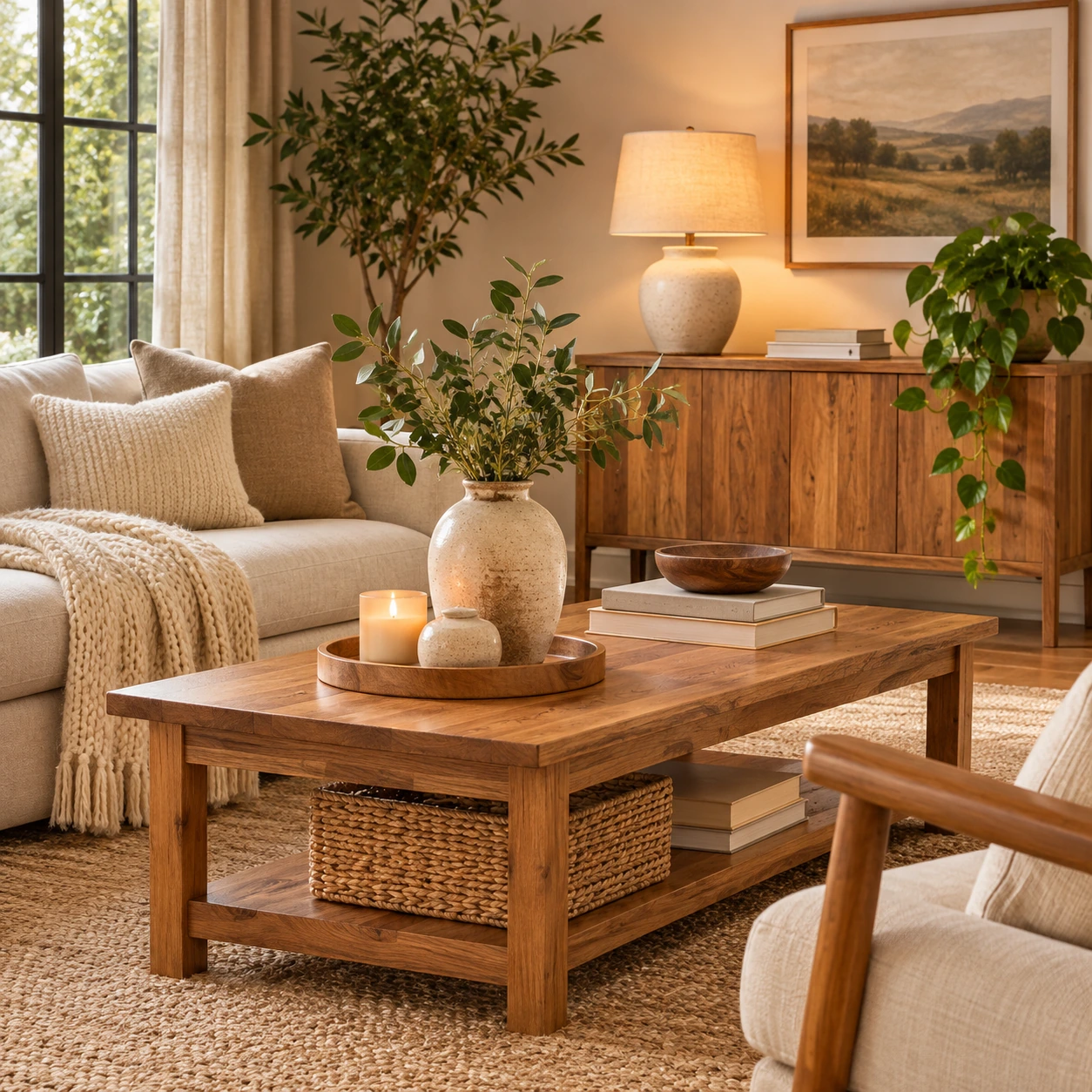
A connected home does not require matching every wooden surface. Repeat one or two compatible undertones through a dining table, console, shelving or coffee table, and then soften the palette with textured fabric, ceramic accessories and plants. A little variation often feels more authentic than making every item identical.
A brief note on recent search interest
The renewed curiosity about wood finishes is also visible in dated industry and search reporting. In a November 11, 2026 U.S. Google Trends newsletter, searches for terms such as “honey oak kitchen” and “white oak cabinets” were highlighted. The National Kitchen & Bath Association’s 2026 Kitchen Trends Report also found strong interest in wood-grain cabinetry among surveyed North American professionals. These are historical snapshots of attention and professional opinion—not evidence that any one material will stay fashionable forever. The design advice above is intended to remain useful regardless of the year.
Frequently asked questions
Are natural wood kitchen cabinets timeless?
They can be. Simple door profiles, restrained colors, dependable hardware and materials chosen for durability generally age more gracefully than a highly themed look. Personal preference and maintenance still matter.
Which wood color works best in a small kitchen?
Light to medium tones often help maintain an airy look, particularly when paired with pale walls and enough task lighting. Dark wood can also work well as an accent.
Is solid wood always better than veneer?
No. Solid wood and quality real-wood veneer have different strengths. Construction, finish, edge protection, repairability, cost and installation are more useful factors than a blanket rule.
Can old oak cabinets be updated without replacing them?
Sometimes. Depending on their condition and existing finish, careful cleaning, minor repairs, new hardware or professional refinishing may be possible. Test compatibility before stripping or painting.
How do I keep a wood kitchen from looking too rustic?
Choose uncomplicated cabinet fronts, restrained handles, simple lighting and one or two contrasting surfaces. Avoid combining too many competing grain patterns.
The takeaway
A good natural wood kitchen is not just about the color of oak or walnut. It comes from choosing materials you understand, pairing them thoughtfully with light and stone, and planning for real cooking, cleaning and daily life. Start with the way the room needs to work, then let wood bring warmth and character.
Sources and further reading
- USDA Forest Products Laboratory — Drying and control of moisture content and dimensional changes (2021).
- U.S. Environmental Protection Agency — Formaldehyde and indoor air quality.
- Forest Stewardship Council — What the FSC labels mean.
- National Kitchen & Bath Association — 2026 Kitchen Trends Report (historical industry data).
- Google Trends Help — Understanding Trends data; November 11, 2026 Our Signature Things newsletter (U.S. search examples).
Bir yanıt yazın