
Introduction: Prophet Muhammad (Peace Be Upon Him) is one of the most influential figures in history, revered by over a billion Muslims around the world. Born in the Arabian city of Mecca in 570 CE, his life and teachings laid the foundation for Islam, which today is the second-largest religion in the world. This blog post provides an overview of his life, his character, and the legacy he left behind.
Early Life: Prophet Muhammad was born into the respected Quraysh tribe in Mecca. His father, Abdullah, died before his birth, and his mother, Amina, passed away when he was only six years old. Orphaned at a young age, he was raised by his grandfather, Abdul Muttalib, and later by his uncle, Abu Talib. Despite his challenging upbringing, Muhammad was known for his honesty and integrity, earning the nickname “Al-Amin” (The Trustworthy) among the people of Mecca.
Marriage to Khadijah: At the age of 25, Muhammad married Khadijah, a wealthy widow 15 years his senior. Khadijah was impressed by Muhammad’s character and honesty, and their marriage was one of mutual respect and love. She was the first person to believe in his prophethood and supported him throughout the early difficult years of his mission.

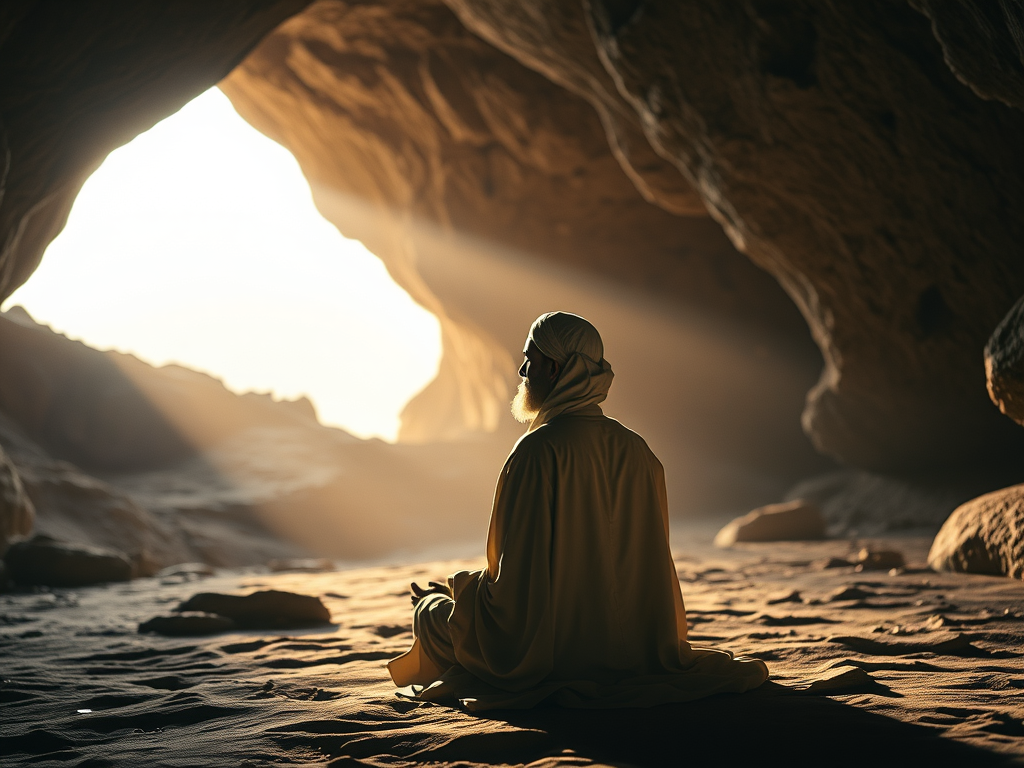
The Revelation: At the age of 40, while meditating in the cave of Hira on Mount Nur, Muhammad received his first revelation from the Angel Gabriel. These revelations continued for 23 years and were later compiled into the Quran, the holy book of Islam. The Quran is considered the literal word of God by Muslims and serves as a guide for all aspects of life.
The Message of Islam: Prophet Muhammad’s message was revolutionary for its time. He preached monotheism, the belief in one God (Allah), and called for the abandonment of idolatry. He emphasized moral conduct, social justice, and compassion for the poor and oppressed. His teachings challenged the social norms of Meccan society, which was deeply entrenched in tribalism, inequality, and idol worship.
Persecution and Migration: As Muhammad’s following grew, so did the opposition from the Quraysh leaders, who saw his message as a threat to their power and the status quo. His followers were subjected to intense persecution, and in 622 CE, Muhammad and his followers were forced to migrate to the city of Yathrib, later known as Medina. This migration, known as the Hijra, marks the beginning of the Islamic calendar.
Establishment of the Muslim Community: In Medina, Muhammad established a cohesive Muslim community, the Ummah, based on the principles of justice, brotherhood, and equality. He served as both a spiritual leader and a statesman, negotiating treaties and resolving disputes. The Constitution of Medina, a document attributed to him, is considered one of the earliest examples of a written constitution in history.
Return to Mecca: In 630 CE, after years of conflict with the Quraysh, Muhammad and his followers peacefully entered Mecca. He forgave his former enemies and cleansed the Kaaba of idols, restoring it as a place of monotheistic worship. This event marked the triumph of Islam in Arabia.
Character and Legacy: Prophet Muhammad is remembered for his exemplary character, which earned him the love and respect of his followers. He was known for his humility, generosity, and compassion. He treated people of all backgrounds with kindness and worked tirelessly to uplift the downtrodden.
His legacy lives on not only in the teachings of Islam but also in the profound impact he had on the world. His message of peace, justice, and unity continues to inspire millions of people across the globe.
Conclusion: Prophet Muhammad (PBUH) lived a life of service, devotion, and unwavering commitment to his mission. His teachings have shaped the lives of countless individuals and continue to guide Muslims in their daily lives. Understanding his life and message is crucial for anyone seeking to comprehend the origins and principles of Islam.













noga noga için bir cevap yazınCevabı iptal et