
🌿🌱 Introduction
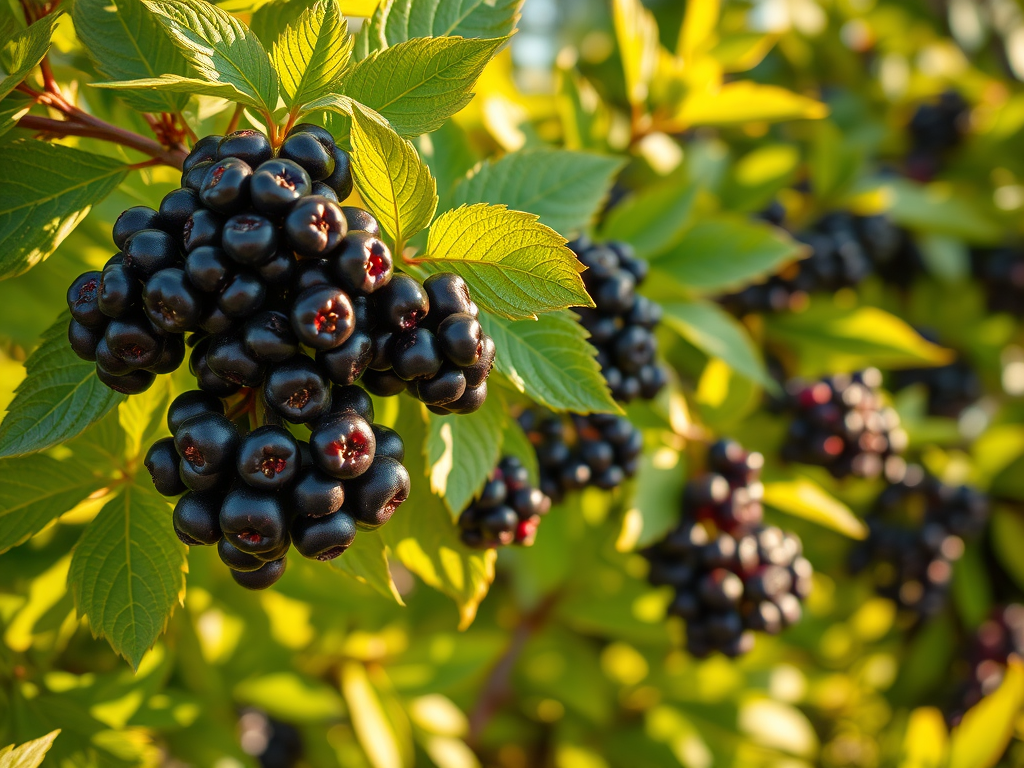
Aronia (also known as chokeberry) is one of the healthiest plants you can grow at home. Rich in antioxidants, vitamins, and minerals, it produces small, dark berries that boost immunity and support overall wellness. But beyond its health benefits, Aronia is also an ornamental shrub with beautiful blossoms and autumn foliage.
In this guide, we’ll explore how to grow, care for, and harvest Aronia successfully — whether in your garden or in pots.
🌞 Light Requirements
Aronia thrives best in full sunlight. It can tolerate partial shade but fruit production decreases significantly. Choose a bright location that receives at least 6–8 hours of direct sunlight per day.
💧 Watering
- During the first year, water regularly to help roots establish.
- Once mature, Aronia is drought-tolerant, but deep watering once a week during dry periods promotes better berry yield.
- Avoid waterlogging — ensure well-draining soil.
🌿 Soil Preferences
Aronia grows well in slightly acidic to neutral soil (pH 5.5–7.0).
- Ideal soil type: Loamy and fertile.
- You can enrich poor soil with compost or organic matter.
- Mulching helps retain moisture and control weeds.
🌸 Fertilization
Feed your Aronia plant in early spring with a balanced organic fertilizer (e.g., 10-10-10). Avoid excessive nitrogen, as it encourages leaf growth instead of fruiting.
✂️ Pruning Tips
- Prune in late winter or early spring before new growth begins.
- Remove weak, damaged, or old branches to stimulate fresh shoots.
- Every few years, rejuvenate the shrub by cutting older stems close to the base.
🍇 Harvesting & Uses
Aronia berries ripen from late summer to early fall. They are tart when eaten raw but perfect for:
- Juices & smoothies 🥤
- Jams & jellies 🍯
- Herbal teas 🍵
- Baked goods & desserts 🍰
Freeze or dry the berries to store them long-term while keeping their nutritional benefits.
🌼 Propagation
You can propagate Aronia by:
- Cuttings: Take semi-hardwood cuttings in late summer.
- Seeds: Sow in spring after cold stratification.
- Division: Split mature shrubs during dormant season.
⚠️ Common Problems
| Problem | Cause | Solution |
| Yellow leaves | Poor drainage or overwatering | Improve soil and watering routine |
| Low fruit yield | Insufficient sunlight or pruning | Relocate or prune correctly |
| Leaf spots | Fungal infection | Use organic fungicide and prune affected parts |
💡 Quick Care Plan
| Requirement | Ideal Condition |
| Sunlight | Full sun (6–8 hours) |
| Soil | Slightly acidic, loamy |
| Water | Weekly deep watering |
| Fertilizer | Balanced, spring season |
| Pruning | Late winter |
🌈 Conclusion
Aronia is more than just a berry bush — it’s a low-maintenance, resilient plant that rewards you with beauty and health. With proper sunlight, moderate watering, and occasional pruning, it can thrive for decades in your garden.
Grow Aronia, and enjoy both the visual charm of its flowers and the powerful nutrients in its berries.
❓ FAQ
1. Is Aronia easy to grow?
Yes! It’s hardy and adapts well to most climates.
2. How long does it take to bear fruit?
Usually within 2–3 years after planting.
3. Can I grow Aronia in pots?
Absolutely — choose a large container with drainage holes and rich soil mix.
4. When is the best time to prune Aronia?
In late winter or early spring before new buds form.
5. Are Aronia berries safe to eat raw?
Yes, though they are tart; many prefer them cooked or sweetened.













Bir Cevap Yazın