

Cockatiel Care Guide: How to Care for Your Feathered Friend
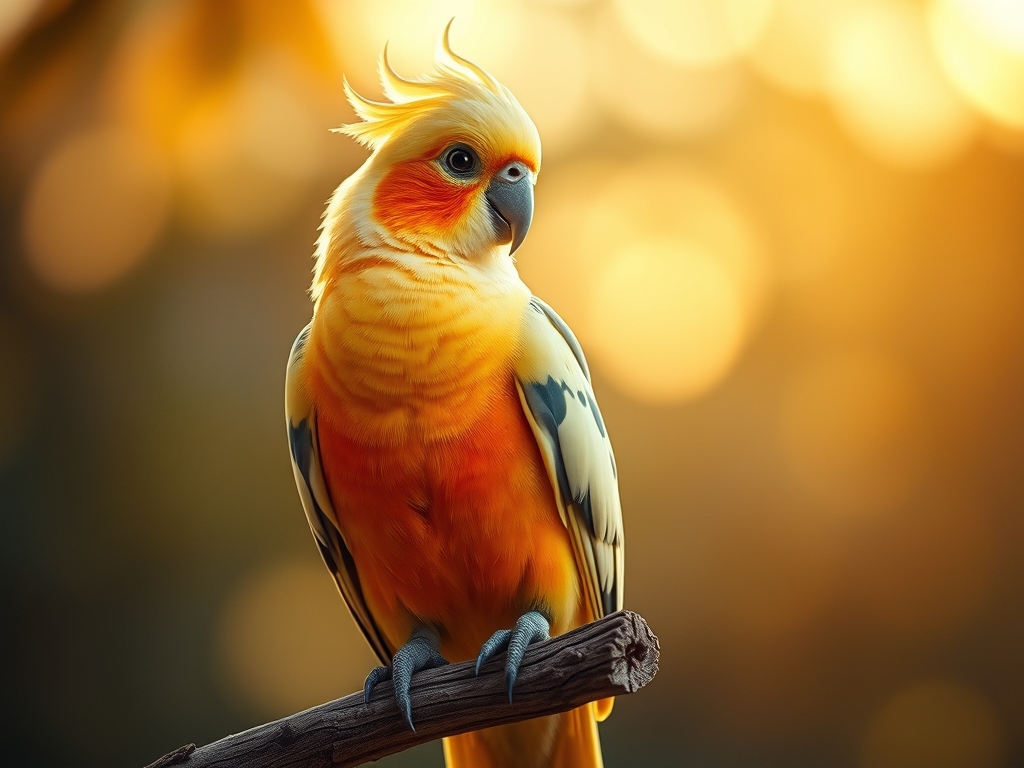
Cockatiels, also known as Sultan Parrots, are charming and affectionate birds that make wonderful companions. With their playful personalities and distinctive crests, they are among the most popular pet birds. However, like any pet, cockatiels need proper care to stay healthy and happy. Here’s an easy-to-follow guide to taking care of your cockatiel:
Housing Your Cockatiel
Cockatiels are active birds that need plenty of space to move around. Here are some key factors to consider when setting up their home:
- Cage Size: The cage should be at least 24x18x24 inches (60x45x60 cm) for a single bird. A larger cage is always better. The bar spacing should be about ½ inch (1.27 cm) to prevent your bird from getting stuck.
- Cage Location: Place the cage in a well-lit, draft-free area of your home where your bird can interact with the family. Avoid placing the cage in the kitchen or near windows with direct sunlight.
- Perches and Toys: Provide a variety of perches with different textures to keep your bird’s feet healthy. Add toys for mental stimulation, such as swings, mirrors, and chewable toys, to prevent boredom.
Feeding Your Cockatiel
A balanced diet is essential for your cockatiel’s well-being. Here’s what to include in their daily meals:
- Pellets and Seeds: A combination of high-quality pellets and seeds should make up the base of their diet. Avoid feeding them only seeds, as this can lead to malnutrition.
- Fresh Fruits and Vegetables: Offer a variety of bird-safe fruits and vegetables like carrots, spinach, apples, and berries. Be sure to remove uneaten fresh food after a few hours to prevent spoilage.
- Water: Fresh, clean water should always be available. Change their water daily to keep it hygienic.
Health and Grooming
Keeping your cockatiel healthy requires some routine care:
- Wing and Nail Trimming: Occasionally, you may need to trim your cockatiel’s wings to prevent them from flying too high indoors. Nail trimming is also important to avoid overgrowth.
- Bathing: Cockatiels enjoy bathing to keep their feathers clean. You can provide a shallow dish of lukewarm water or mist them lightly with water from a spray bottle.
- Vet Visits: Schedule regular check-ups with an avian veterinarian to ensure your bird is in good health. Watch for signs of illness, such as lethargy, changes in appetite, or puffed-up feathers.
Social Interaction and Training
Cockatiels are social birds that crave companionship. Spending time with your cockatiel is essential for its happiness:
- Handling and Bonding: Gently handle your bird daily to build trust and strengthen your bond. Cockatiels love to be petted and can even learn to perch on your hand.
- Training: Cockatiels are intelligent and can learn tricks like whistling, stepping up onto your hand, or even mimicking simple sounds. Use positive reinforcement, like treats, to train them.
- Social Time: They love interacting with their owners and being part of the family activities. Make sure your bird has plenty of out-of-cage time to explore and interact with you.
Cockatiel Behavior
Understanding your cockatiel’s behavior will help you provide the best care:
- Whistling and Mimicking: Cockatiels are known for their ability to whistle tunes and mimic sounds. Male cockatiels, in particular, are great at mimicking and whistling.
- Crest Movements: A cockatiel’s crest is an indicator of its mood. A raised crest shows excitement or curiosity, while a flattened crest means they’re scared or angry.
- Beak Grinding and Head Bobbing: Beak grinding is a sign of contentment, usually done before they go to sleep. Head bobbing, especially in males, can be a display of excitement or an attempt to attract attention.
Safety Considerations
Cockatiels are sensitive to their environment, so it’s important to keep them safe:
- Avoid Teflon Cookware: Fumes from overheated non-stick cookware (Teflon) can be toxic to birds.
- No Smoking: Cigarette smoke is harmful to birds. Keep them in a smoke-free environment.
- Toxic Plants and Foods: Be cautious about plants and foods in your home that are toxic to birds. Foods like avocado, chocolate, and caffeine should be avoided.
Conclusion
Caring for a cockatiel can be a rewarding experience, as they are affectionate and playful pets. With the right environment, diet, and social interaction, your cockatiel can thrive and bring joy to your home for many years. Remember, a happy cockatiel is a healthy one, and the more love and attention you give, the stronger your bond will be with your feathered friend!













Uğurcan BAL için bir cevap yazınCevabı iptal et