
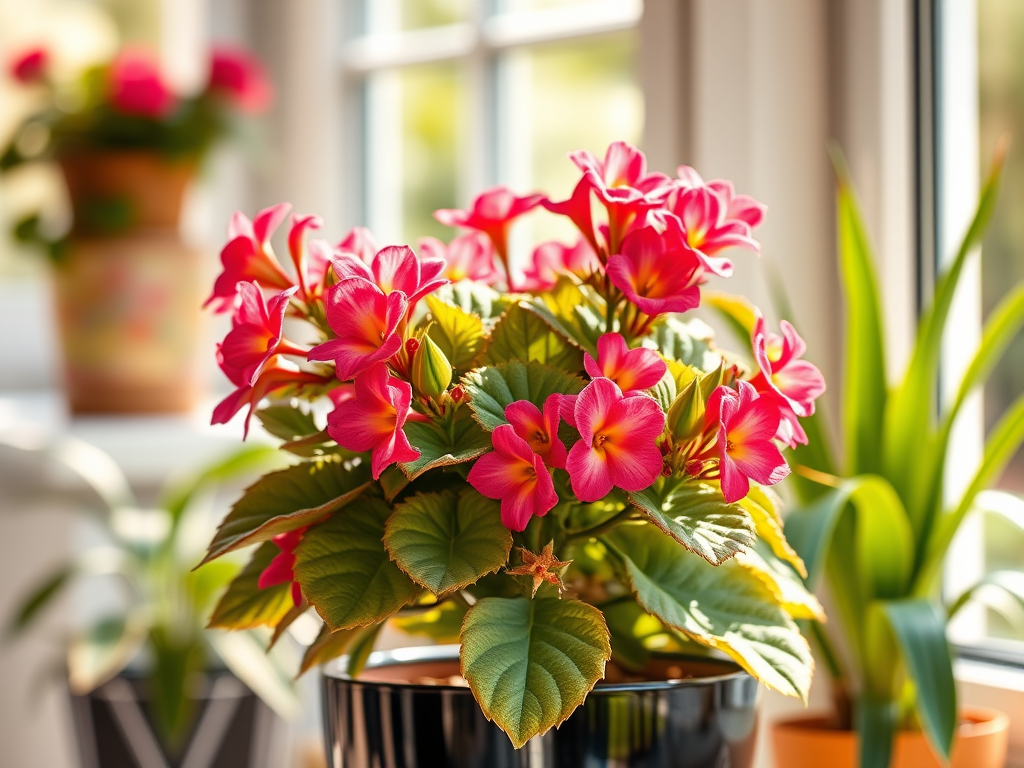
The Kalanchoe plant, known for its vibrant flowers and fleshy, succulent-like leaves, is a popular houseplant that requires minimal care. Whether you’re a seasoned gardener or a beginner, this resilient plant can thrive with the right attention. Here’s a complete care guide to help your Kalanchoe flourish.
1. Light Requirements
Kalanchoe thrives in bright, indirect sunlight. Place the plant near a south-facing or east-facing window to ensure it gets enough light. While it can tolerate some direct sunlight, prolonged exposure might scorch its leaves. During winter, you might need to provide supplemental lighting to maintain healthy growth.
2. Watering
As a succulent, the Kalanchoe stores water in its leaves and doesn’t require frequent watering. Follow these tips:
• Water only when the top 1-2 inches of soil feel dry.
• Avoid overwatering, as this can lead to root rot.
• During winter, reduce watering frequency since the plant’s growth slows down.
3. Soil and Potting
Kalanchoe prefers well-draining soil. A cactus or succulent mix is ideal, or you can make your own by mixing standard potting soil with sand or perlite. Ensure the pot has drainage holes to prevent waterlogging.
4. Temperature and Humidity
This plant thrives in warm temperatures ranging between 60°F and 85°F (15°C to 29°C). Avoid exposing it to cold drafts or temperatures below 50°F (10°C). Kalanchoe doesn’t require high humidity and does well in typical indoor environments.
5. Fertilizing
Feed your Kalanchoe plant once a month during the growing season (spring and summer) with a balanced, water-soluble fertilizer. Reduce feeding during fall and stop altogether in winter.
6. Pruning and Deadheading
To encourage continuous blooming, remove spent flowers by deadheading. Trim leggy stems to maintain the plant’s shape and promote bushier growth.
7. Repotting
Repot your Kalanchoe every 2-3 years or when it outgrows its current pot. Spring is the best time for repotting.
8. Pest and Disease Management
Kalanchoe is relatively pest-resistant but can occasionally attract mealybugs or aphids. Use insecticidal soap or neem oil to treat infestations. Overwatering can lead to fungal issues, so always check soil moisture levels.
9. Blooming Tips
Kalanchoe is a short-day plant, meaning it blooms when days are shorter. To encourage flowering, place the plant in complete darkness for 14 hours each night for 6 weeks during the fall. Once buds appear, return it to its normal light conditions.
10. Toxicity
Keep in mind that Kalanchoe is toxic to pets if ingested. Place the plant out of reach of curious cats and dogs.
With proper care, your Kalanchoe will reward you with stunning blooms and vibrant foliage. Its low-maintenance nature makes it a perfect addition to any home or office space.





Guide to Caring for the Kalanchoe Plant – 第二の故郷 ウクライナ ハリコフ東部の田舎町メリアファ için bir cevap yazınCevabı iptal et