
Introduction
Ginseng, a plant revered for centuries, is not only valued for its medicinal properties but also for its adaptability as a houseplant. Known for its ability to boost energy, reduce stress, and improve overall health, ginseng has earned its place in natural medicine. Whether you’re growing it indoors or outdoors, this guide will provide you with all the details on how to care for ginseng and its incredible benefits.
What is Ginseng?
Ginseng (Panax ginseng or Panax quinquefolius) is a perennial herbaceous plant that grows in cooler climates. Originating from East Asia and North America, ginseng roots are often used in traditional medicine due to their adaptogenic properties, which help the body resist stress and promote balance.
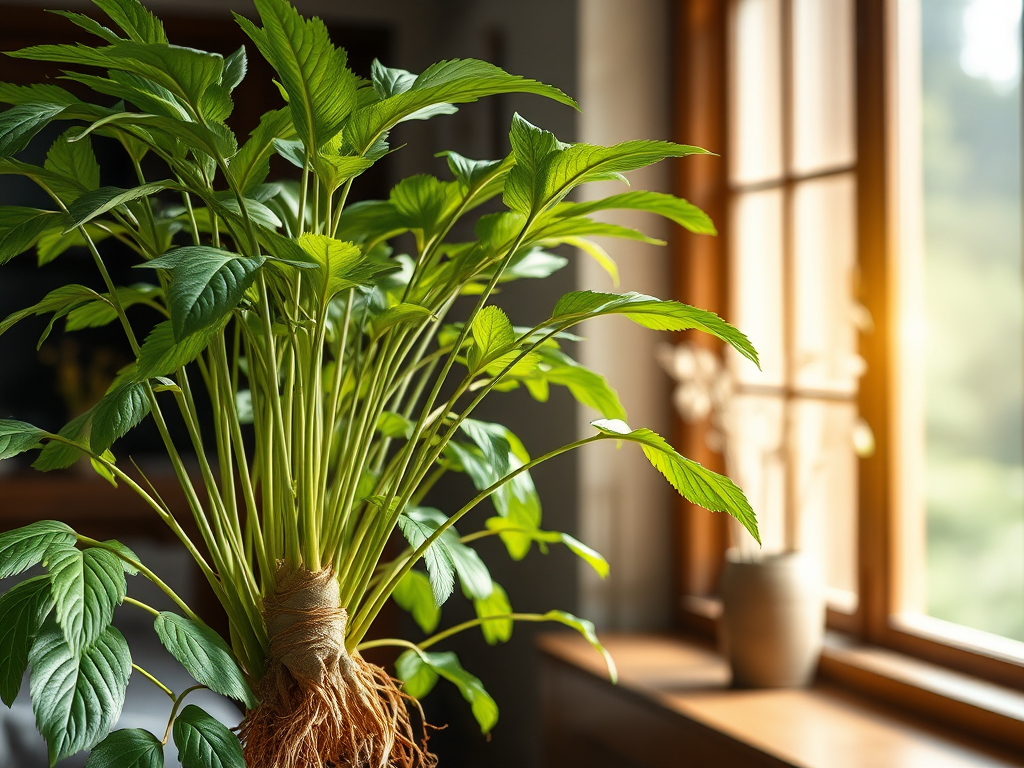
The plant features long, slender stems with green leaves that have a unique serrated appearance. Its small, berry-like fruits develop after flowering, but the true treasure lies beneath the soil—its roots.
How to Care for Ginseng
- Light Requirements:
Ginseng prefers partial shade or filtered sunlight. Avoid placing it under direct sunlight as it can scorch the leaves. If grown indoors, place it near a window with indirect light. - Soil:
The ideal soil for ginseng is well-draining and rich in organic matter. A mix of loamy soil and compost works best for this plant. Maintain slightly acidic to neutral soil pH (5.5–6.5). - Watering:
Ginseng thrives in moist but not waterlogged soil. Water it regularly, ensuring that the top inch of the soil is dry before re-watering. Overwatering can cause root rot, so always check the soil’s moisture level. - Temperature and Humidity:
Ginseng prefers temperatures between 60°F and 75°F (15°C–24°C). Avoid exposing it to extreme heat or cold. Moderate humidity levels are ideal, so consider misting the plant if the air is too dry. - Fertilizer:
Feed ginseng with a balanced, slow-release fertilizer during the growing season (spring to early summer). Avoid over-fertilizing, as it can harm the roots. - Pruning:
Prune any yellow or damaged leaves to encourage healthy growth. This also helps the plant focus its energy on the root system. - Repotting:
If growing ginseng in a container, repot it every 2–3 years to ensure the roots have enough space to grow. Use fresh soil to maintain nutrient levels.
Benefits of Ginseng
- Boosts Energy Levels:
Ginseng is widely used to combat fatigue and improve stamina. It enhances energy by supporting adrenal gland function and balancing cortisol levels. - Strengthens the Immune System:
Ginseng contains ginsenosides, active compounds that boost immune cell production, helping the body fight infections and diseases. - Improves Cognitive Function:
Known for its neuroprotective properties, ginseng can improve memory, concentration, and overall brain function. It is often used to prevent cognitive decline. - Reduces Stress:
As an adaptogen, ginseng helps the body adapt to physical, emotional, and environmental stress, promoting a sense of calm and balance. - Supports Cardiovascular Health:
Ginseng is believed to improve blood circulation, lower cholesterol levels, and regulate blood pressure, supporting heart health. - Aids in Blood Sugar Regulation:
Ginseng can help manage blood sugar levels by improving insulin sensitivity, making it beneficial for those with diabetes. - Enhances Skin Health:
The antioxidants in ginseng help combat free radicals, reduce signs of aging, and improve overall skin texture and elasticity.
Common Challenges When Growing Ginseng
- Pests and Diseases: Ginseng is susceptible to fungal infections and pests such as aphids and root-knot nematodes. Regularly inspect the plant and use organic pesticides or fungicides if necessary.
- Slow Growth: Ginseng is a slow-growing plant, often taking 3–5 years to mature. Patience is key when cultivating this plant.
- Overwatering: Too much water can cause root rot. Always check soil moisture before watering.
Conclusion
Growing ginseng is a rewarding experience that combines the joy of cultivating a beautiful plant with the benefits of its medicinal properties. By following proper care guidelines, you can enjoy this ancient herb as both a decorative addition to your home and a natural remedy for various health concerns.
Whether you’re seeking a natural energy booster, a stress reliever, or a plant with rich cultural history, ginseng is an excellent choice for any plant enthusiast.













Bir Cevap Yazın