
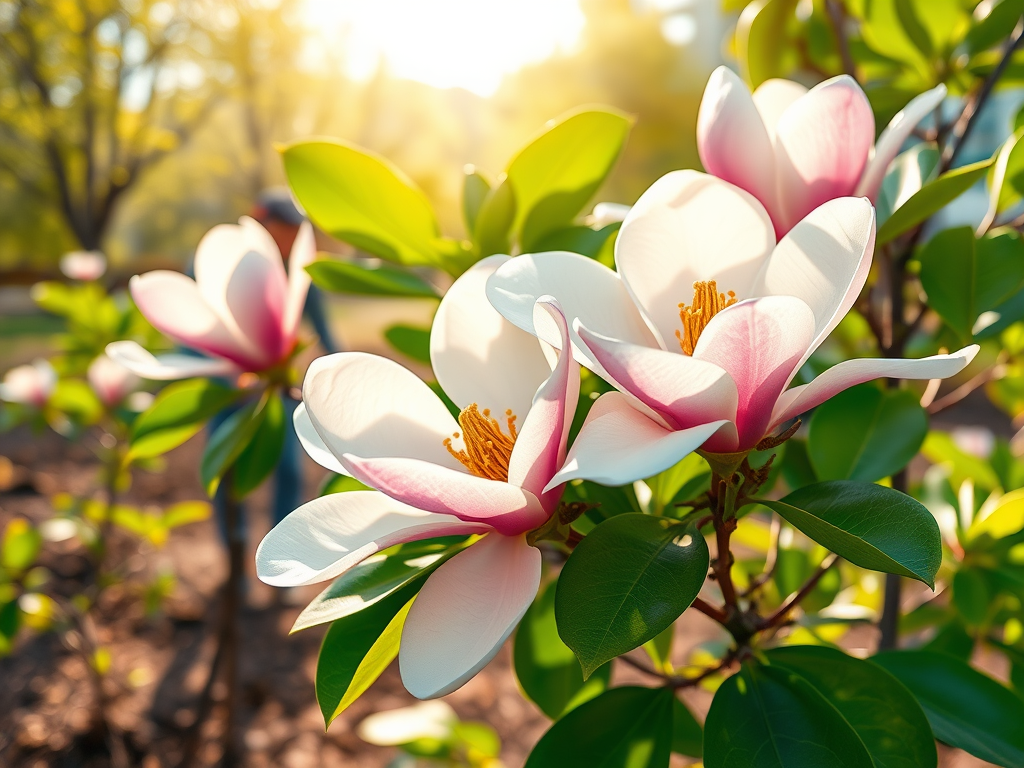
The magnolia plant, with its elegant flowers and pleasant fragrance, is one of the indispensable plants for gardens and balconies. However, to ensure this beautiful plant grows healthily and blooms, it is essential to apply the right care methods. Here are the best care tips for magnolia plants:
1. Choosing the Right Location
- Magnolia plants love sunny or semi-shaded areas. They should be planted in a spot that receives at least 4-6 hours of sunlight daily.
- Choosing a location sheltered from strong winds will prevent damage to the plant’s leaves.
- Magnolias should be planted in spacious areas to avoid harming their root systems. Therefore, it is recommended to grow them in gardens or large pots.
2. Soil and Planting
- Magnolia plants thrive in acidic soil (pH 5.0-6.5). The soil should be rich in organic matter for optimal growth.
- When planting, you can add well-rotted organic fertilizer or compost to the soil to provide nutrient support.
- The soil must be well-drained to allow the roots to breathe. Excessive water accumulation can lead to root rot.
3. Watering
- Magnolia plants prefer moist soil but do not like overwatering. Water the plant when the top layer of soil feels dry.
- Regular watering is especially important during the summer months. However, you can reduce the frequency of watering in winter.
- When watering, ensure the water reaches the roots. Avoid wetting the leaves, as this can cause fungal diseases.
4. Fertilization
- Magnolia plants require regular fertilization during spring and summer. You can use fertilizers suitable for acidic soils, such as pine needle fertilizer.
- A balanced liquid fertilizer can be applied once a month to meet the plant’s nutritional needs.
- Be careful not to over-fertilize, as excessive fertilizer can harm the plant’s roots.
5. Pruning
- Magnolia plants generally do not require much pruning. However, removing dead or diseased branches is important for the plant’s health.
- Pruning can be done after the flowering period ends, usually in late summer or early autumn.
- Light pruning can be done to maintain the plant’s shape, but avoid excessive pruning.
6. Winter Care
- Magnolia plants are sensitive to cold weather. It is especially important to protect young plants during winter.
- To protect the roots from cold, you can apply mulch (such as straw or leaves) on top of the soil.
- If the plant is in a pot, it should be moved to a sheltered location during winter to protect it from frost.
7. Pest and Disease Control
- Magnolia plants are generally hardy but should be monitored for pests like aphids, spider mites, and fungal diseases.
- To prevent diseases, regularly check the plant’s leaves and ensure proper air circulation.
- Natural methods, such as soapy water or neem oil, can be used to combat pests.
8. Flowering Period
- Magnolia plants produce stunning flowers in spring and summer. During the flowering period, the plant’s water and nutrient needs increase.
- Regularly removing faded flowers helps the plant direct its energy toward new blooms.
Conclusion
With the right care methods, magnolia plants can adorn your garden or balcony for years. When you meet their sunlight, water, and nutrient needs, this magnificent plant will reward you with beautiful flowers. Growing magnolias is both a visual delight and a soothing experience. Wishing you success in your gardening journey!


Bir Cevap Yazın