
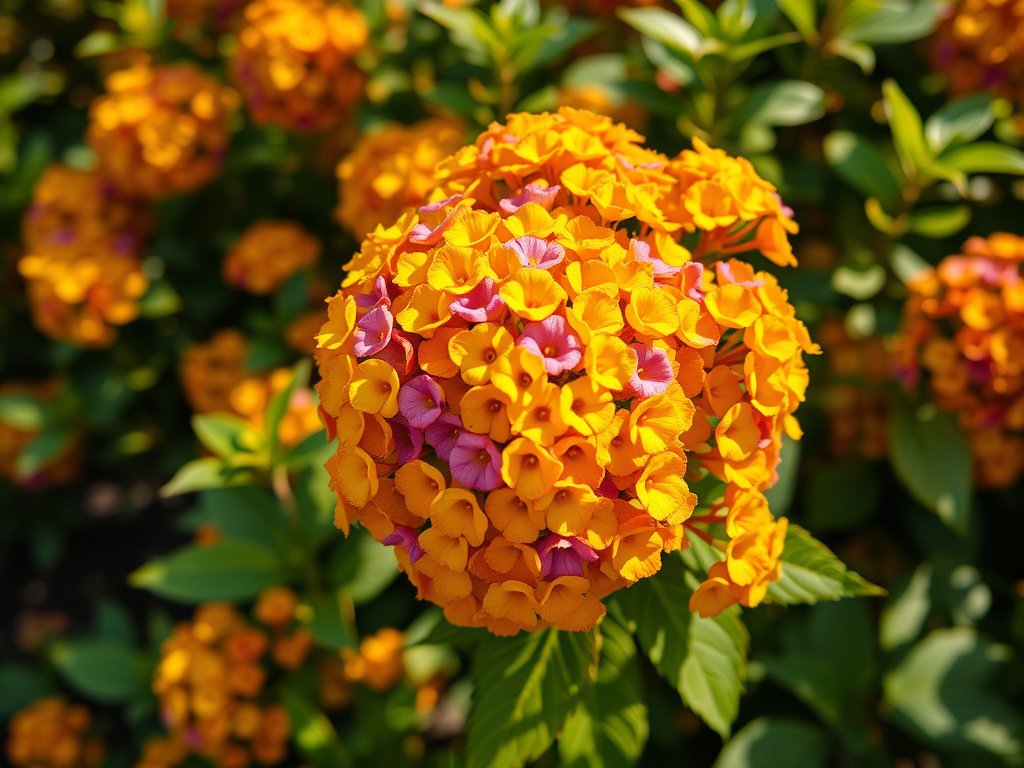
Lantana camara, commonly known as tree lantana or shrub verbena, is a vibrant, hardy flowering plant popular in gardens and landscapes. Known for its clusters of multicolored blooms and drought tolerance, this tropical plant attracts butterflies and thrives in warm climates.
In this comprehensive guide, you’ll learn everything about lantana care, including sunlight needs, watering, soil preferences, pruning, and troubleshooting common problems.
1. Quick Overview of Lantana Camara
- Scientific Name: Lantana camara
- Family: Verbenaceae
- Native Region: Central and South America
- Flowering Season: Spring to fall (year-round in warm climates)
- Growth Habit: Evergreen shrub (can lose leaves in cold winters)
- Flower Colors: Yellow, orange, red, pink, purple, and white (often multicolored)
- Attracts: Butterflies, bees, and hummingbirds
2. Essential Lantana Care Requirements
🌞 Light & Location
- Full Sun Preferred: Needs 6-8 hours of direct sunlight daily for best flowering.
- Tolerates Partial Shade: But blooms may be reduced.
- Wind Protection: Strong winds can damage branches, so plant in a sheltered spot if needed.
💧 Watering
- Drought-Tolerant: Once established, lantana requires minimal watering.
- Watering Frequency:
- Newly Planted: Water 2-3 times per week until roots establish.
- Mature Plants: Water once a week (more in extreme heat).
- Avoid Overwatering: Lantana hates soggy soil—ensure good drainage to prevent root rot.
🌱 Soil & Fertilization
- Best Soil Type: Well-draining, sandy, or loamy soil.
- pH Level: Slightly acidic to neutral (6.0–7.5).
- Fertilizer Needs:
- Balanced Fertilizer (10-10-10) in spring.
- Compost or slow-release fertilizer for sustained growth.
- Avoid excessive nitrogen (leads to more leaves, fewer flowers).
✂️ Pruning & Maintenance
- Deadheading: Remove spent flowers to encourage new blooms.
- Annual Pruning: Cut back 1/3 of growth in early spring to promote bushiness.
- Heavy Pruning: If lantana becomes leggy, trim back hard (it grows back quickly).
🌡️ Temperature & Hardiness
- Ideal Temperature: 60°F–90°F (15°C–32°C).
- Cold Tolerance:
- Frost-Sensitive: Dies back in freezing temps but may regrow in spring.
- Overwintering: In cold climates, grow in pots and bring indoors.
3. Common Lantana Problems & Solutions
🐛 Pests
- Whiteflies & Spider Mites: Spray with neem oil or insecticidal soap.
- Aphids: Blast off with water or use natural predators (ladybugs).
🍄 Diseases
- Powdery Mildew: Improve air circulation, avoid overhead watering.
- Root Rot: Caused by overwatering—ensure proper drainage.
⚠️ Toxicity Warning
- Poisonous to Pets & Livestock: Berries and leaves are toxic if ingested.
4. Propagating Lantana
- From Cuttings:
- Take 4-6 inch stem cuttings in spring/summer.
- Dip in rooting hormone and plant in moist soil.
- From Seeds:
- Soak seeds overnight before planting.
- Germination takes 2-4 weeks.
5. Landscaping Uses
✅ Hedges & Borders (drought-resistant landscaping)
✅ Container Gardening (great for patios and balconies)
✅ Butterfly & Pollinator Gardens
Final Tips for Thriving Lantana
✔ Full sun = More flowers!
✔ Less water = Hardier plant.
✔ Prune regularly for bushier growth.
With proper care, lantana will reward you with non-stop blooms and vibrant colors all season long! 🌿🌸
Would you like a printable care sheet or more details on specific varieties? Let me know! 😊




Bir Cevap Yazın