
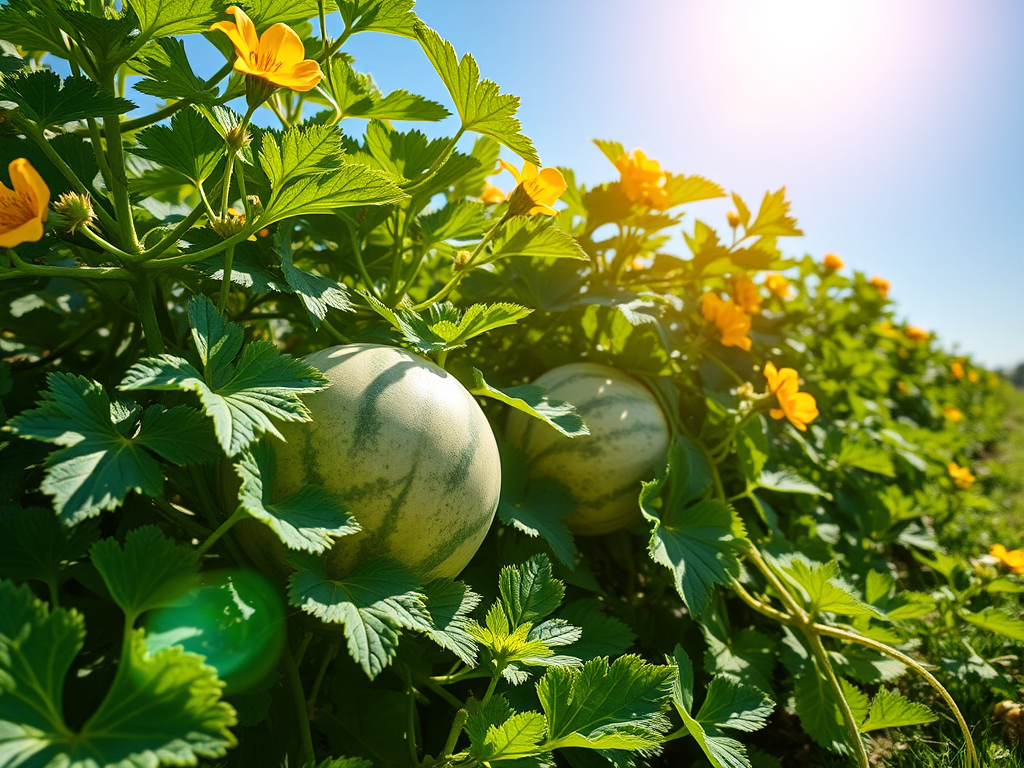
Watermelon is a beloved summer fruit, known for its refreshing taste and hydrating qualities. Growing your own watermelon can be highly rewarding, but it requires some specific care and attention to get those sweet, juicy fruits. Whether you’re a beginner gardener or an experienced grower, this guide will walk you through everything you need to know to cultivate healthy watermelon plants and enjoy a bountiful harvest. 🌱☀️
🌿 Introduction: Why Grow Watermelon?
Watermelon plants thrive in warm climates and need plenty of space, sunlight, and water to grow. They belong to the cucurbit family and produce large, sprawling vines with big leaves and beautiful yellow flowers that eventually turn into the delicious fruit we all love. Growing watermelons in your garden or backyard not only adds freshness to your table but also gives you the satisfaction of nurturing a plant from seed to fruit. Plus, homegrown watermelons often taste sweeter and fresher than store-bought ones! 🍉✨
🌞 Watermelon Plant Care Tips & Plan
1. Choose the Right Location
Watermelons require full sun—at least 6 to 8 hours of direct sunlight per day. Choose a sunny spot with well-drained soil. Avoid areas where water tends to pool or stay soggy.
2. Prepare the Soil
Watermelons love rich, sandy loam soil with a slightly acidic to neutral pH (6.0 to 7.0). Before planting, amend the soil with plenty of compost or well-rotted manure to boost fertility and drainage.
3. Planting
- Sow watermelon seeds indoors 3-4 weeks before the last frost date if you live in cooler climates, or direct sow outdoors once the soil temperature reaches at least 70°F (21°C).
- Space seeds or seedlings about 3 to 5 feet apart because watermelon vines need room to spread.
4. Watering
Watermelons need consistent moisture especially during flowering and fruit development. Water deeply once or twice a week, keeping the soil moist but not waterlogged. Avoid wetting the leaves to reduce the risk of disease. Mulching helps retain soil moisture and control weeds. 💧🌿
5. Fertilizing
- Use a balanced fertilizer when planting (e.g., 10-10-10).
- Once vines start growing, switch to a fertilizer high in phosphorus and potassium to encourage flowering and fruiting.
- Avoid excessive nitrogen, as it promotes leaf growth over fruit production.
6. Support and Pruning
Watermelon vines naturally sprawl, but you can guide them to grow in a designated area or trellis for better space management. Prune side shoots sparingly to focus the plant’s energy on fruit development.
7. Pest and Disease Control
Watch for pests like aphids, cucumber beetles, and squash bugs. Use organic insecticides or introduce beneficial insects such as ladybugs. Fungal diseases like powdery mildew can be prevented with good air circulation and by avoiding overhead watering.
8. Harvesting
Watermelons are usually ready to harvest 70-90 days after planting. Signs of ripeness include:
- The tendril closest to the fruit turns brown and dries up.
- The underside of the watermelon (where it touches the ground) turns yellowish.
- The fruit sounds hollow when tapped.
🍉 Conclusion: Enjoy Growing Your Watermelon!
Growing watermelons is a fun and fulfilling gardening project that rewards patience and care. With the right location, soil preparation, watering, and feeding, you can enjoy a juicy, sweet harvest right from your garden. Remember to monitor your plants regularly, manage pests organically, and harvest at the right time for the best flavor. Your homegrown watermelons will not only taste amazing but also bring a touch of summer magic to your table! 🌞🍉🌿
❓ Frequently Asked Questions (FAQ)
Q1: How long does it take for watermelons to grow?
Watermelons typically take 70-90 days from planting to harvest, depending on the variety and growing conditions.
Q2: Can I grow watermelon in a container?
Yes, but choose a large container (at least 15-20 gallons) and ensure it has excellent drainage. Dwarf or bush varieties are better suited for container growing.
Q3: How much water do watermelon plants need?
Water deeply once or twice a week, ensuring the soil stays moist but not waterlogged, especially during flowering and fruit development.
Q4: What are common pests for watermelon plants?
Common pests include aphids, cucumber beetles, and squash bugs. Use organic pest control methods to protect your plants.
Q5: How can I tell if my watermelon is ripe?
Look for a dry, brown tendril near the fruit, a yellowish underside, and a hollow sound when tapped.













Uğurcan BAL için bir cevap yazınCevabı iptal et