
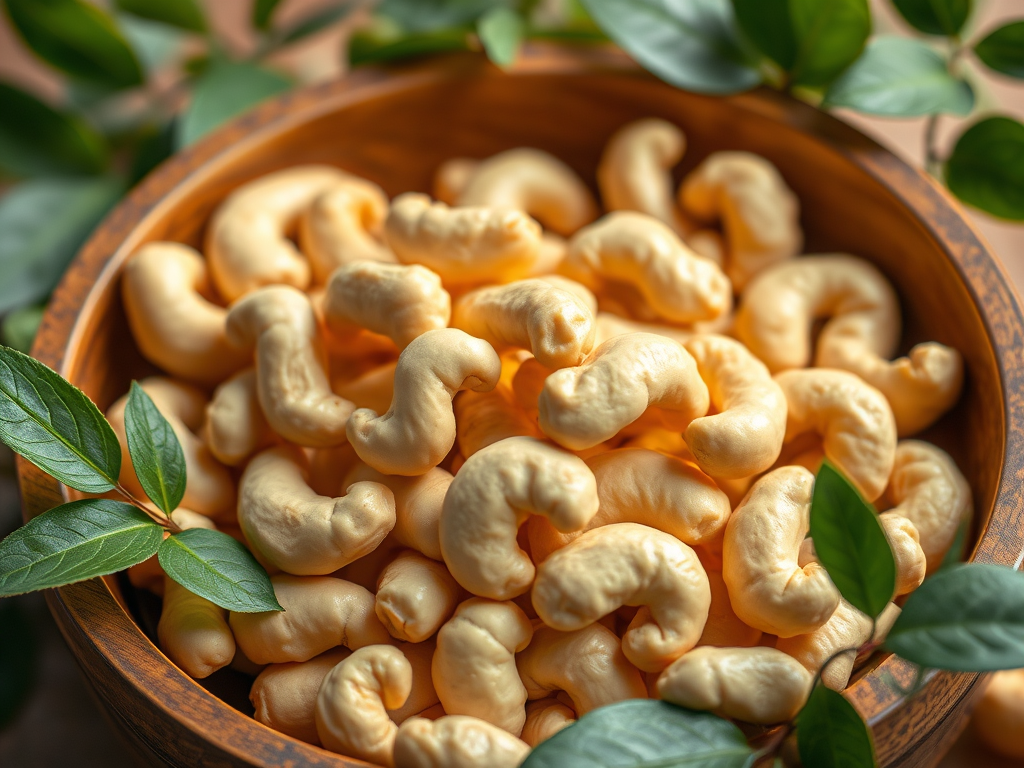
When it comes to healthy snacking, cashew nuts are a true superstar! With their buttery texture, mildly sweet taste, and impressive nutritional profile, cashews are more than just a tasty treat — they’re a powerhouse of health benefits. But what exactly makes cashews so special? Let’s explore everything you need to know about the health benefits of cashew nuts and why they deserve a place in your daily diet!
🧠 1. Boosts Brain Function
Cashews are rich in healthy fats, especially monounsaturated and polyunsaturated fats, which support cognitive function and brain health. They also contain magnesium and copper — two minerals essential for neurotransmitter regulation and energy production in the brain.
🧠 Fun Fact: Copper in cashews supports serotonin and dopamine production — the “feel good” chemicals!
❤️ 2. Supports Heart Health
Cashews help lower LDL (bad cholesterol) and increase HDL (good cholesterol), thanks to their healthy fat content. They also contain antioxidants like vitamin E and plant sterols, which contribute to better cardiovascular health.
💓 Tip: Eating a handful of cashews (unsalted!) a few times a week may reduce the risk of heart disease.
💪 3. Strengthens Bones
Cashews are a great source of magnesium, phosphorus, and vitamin K, all of which are vital for bone density and strength. These nutrients help build and maintain a strong skeletal structure.
🦴 Magnesium also helps with muscle relaxation and prevents cramps!
🩺 4. Boosts Immune System
Cashews are loaded with zinc, a key mineral that plays a crucial role in immune system function, wound healing, and DNA synthesis. In addition, antioxidants like selenium and vitamin E help combat oxidative stress.
🛡️ Zinc deficiency can lead to weakened immunity — snack smart with cashews!
👁️ 5. Improves Eye Health
Cashew nuts contain lutein and zeaxanthin, antioxidants known to protect the eyes from UV damage and age-related macular degeneration. They act as a natural defense for your vision.
👁️ Cashews = tasty vision shield!
🩸 6. Helps Regulate Blood Sugar
Cashews have a low glycemic index and are high in fiber, making them a suitable snack for people with type 2 diabetes or those watching their blood sugar levels. Their magnesium content also helps regulate insulin sensitivity.
📉 Balance blood sugar naturally with smart snacking!
🌿 7. Aids in Weight Management
Though high in fat, the fats in cashews are healthy and help promote satiety, preventing overeating. Studies show that nuts like cashews can support healthy weight loss when consumed in moderation.
🍽️ The key: portion control. About 15–18 cashews = 1 serving.
✨ Nutritional Breakdown (per 28g / ~18 cashews)
| Nutrient | Amount |
|---|---|
| Calories | ~157 kcal |
| Protein | ~5 g |
| Fat | ~12 g |
| Carbohydrates | ~9 g |
| Fiber | ~1 g |
| Magnesium | ~82 mg |
| Copper | ~0.6 mg |
| Zinc | ~1.6 mg |
🚫 Precautions: Who Should Limit Cashew Consumption?
- Nut Allergy Sufferers: Cashews are tree nuts and can trigger allergic reactions.
- Kidney Stone Risk: Cashews contain oxalates, which may contribute to stone formation in sensitive individuals.
- High Sodium Varieties: Choose unsalted versions to avoid excess sodium.
🧩 Final Thoughts
Cashew nuts are more than just a crunchy delight — they’re a nutrient-packed snack with heart, brain, and immune benefits. Incorporate them into your diet in moderation for a natural health boost. From creamy sauces to crunchy toppings, there are countless ways to enjoy the goodness of cashews.
🥜 Snack wisely. Snack deliciously. Snack with cashews!
❓ Frequently Asked Questions (FAQ)
Are cashews good for weight loss?
Yes, in moderation! They help you feel full, and their healthy fats support metabolism.
Can I eat cashews every day?
Absolutely! A handful a day (15–18 nuts) is generally considered safe and beneficial.
Are roasted cashews healthy?
Yes, if dry roasted and unsalted. Avoid heavily processed or oil-roasted versions.
Can diabetics eat cashews?
Yes, thanks to their low glycemic index and high fiber content — but in moderation.













Bir Cevap Yazın