
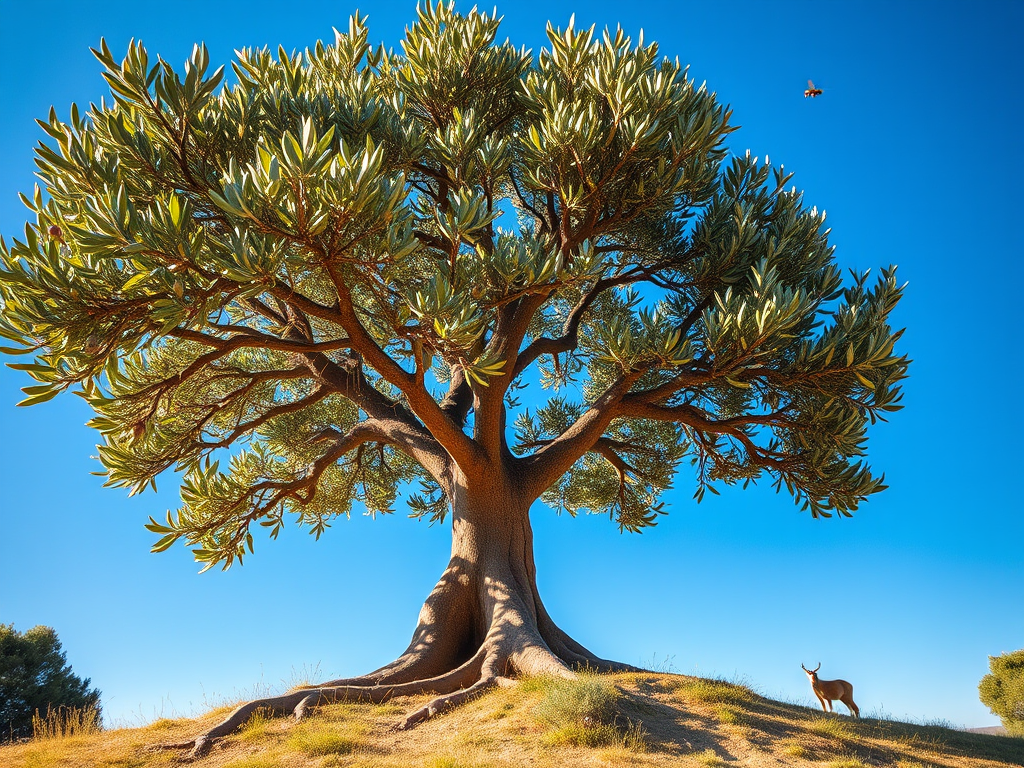
The olive tree is not only a vital symbol of the Mediterranean climate but also an ecological, historical, and economic treasure. From its deep roots in history to its life-giving presence in nature, this ancient tree offers numerous benefits to the environment and all living beings. Let’s explore why olive trees are essential for a sustainable and healthy planet.
🌱 1. Benefits to the Soil
🟢 Prevents Erosion: Its deep and widespread root system holds the soil in place, especially in hilly areas.
🟢 Improves Soil Fertility: Fallen leaves and branches decompose into organic matter, enriching the soil with humus.
🟢 Drought-Resistant Soil Support: Thrives in dry lands and still contributes to soil protection with minimal water.
🌬️ 2. Contribution to Air Quality
🌳 Captures Carbon: Like all green plants, olive trees absorb carbon dioxide through photosynthesis and help reduce greenhouse gases.
💨 Source of Oxygen: Large, mature olive trees release significant amounts of oxygen, purifying the air.
🌾 Natural Air Filter: Their leaves trap dust, toxic gases, and heavy metals, improving air quality.
🐞 3. Supports Biodiversity
🐝 Heaven for Bees: During flowering season, olive trees provide nectar for bees and other pollinators.
🦎 Shelter for Wildlife: The trunk and foliage offer habitat to lizards, birds, and insects.
🌼 Micro Ecosystems: Olive groves often nurture surrounding plant life, forming small, thriving ecosystems.
🫒 4. Benefits for Humans and Animals
👨👩👧👦 Natural Shade: Offers cooling shade in hot climates for both humans and animals.
🫒 Food Source: Its fruit and oil are valuable to human health and also serve as food for some animals.
🌾 Wildlife Refuge: Provides shelter and food sources for rural and wild creatures.
🌍 5. Cultural and Economic Significance
📜 Historical Symbolism: Since ancient times, the olive tree has symbolized peace, wisdom, and immortality.
💰 Income Source: Olive farming and oil production support the livelihood of many families.
🕊️ Symbol of Peace: The olive branch is universally recognized as a sign of peace and hope.
✅ Conclusion: Olive Trees Are More Than Just Trees
Olive trees are protectors of nature, providers of life, and messengers of peace. With their ecological, nutritional, and symbolic roles, they are essential allies in our efforts for a greener future. Planting and preserving olive trees means investing in clean air, fertile soil, rich biodiversity, and human health. 🌳
❓ Frequently Asked Questions (FAQ)
🌿 Where do olive trees grow best?
They thrive in Mediterranean climates — in Turkey, Spain, Italy, Greece, and parts of North Africa and the Middle East.
🍃 How long do olive trees live?
They can live for over 500 years. Some ancient trees are more than 2000 years old and still bear fruit.
🐝 Do olive trees help with honey production?
Yes! Their flowers provide nectar for bees and contribute to local honey production.
🛡️ Can olive trees be cut down?
In many countries, old olive trees are legally protected. Special permits are required for cutting or relocating them.
🌍 What is the olive tree’s ecological role?
They prevent erosion, clean the air, support wildlife, and thrive in drought — making them key players against climate change.





Bir Cevap Yazın