

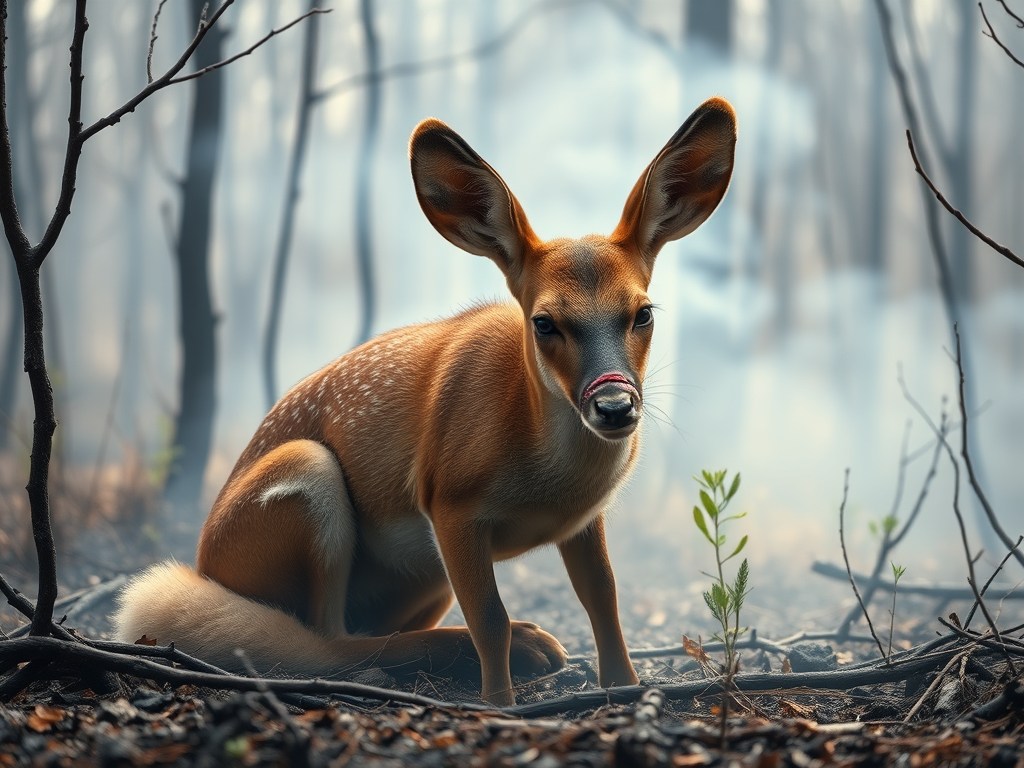
Wildfires are devastating not only for nature and human settlements but also for the countless animals that call forests home. These fires force many wild animals to flee their habitats, often injured, disoriented, and in need of help. If you come across an injured animal in a wildfire-affected area, knowing what to do can make a life-saving difference.
🔎 1. Prioritize Your Own Safety
Before anything else, make sure you are safe. Stay away from active fire zones, avoid areas with thick smoke or falling debris, and never take unnecessary risks. You can’t help others if you’re in danger yourself.
🐾 2. Observe the Animal from a Distance
Wounded animals are frightened and may act aggressively. Carefully observe from a safe distance to assess:
- Is the animal breathing?
- Is it able to move?
- Are there visible burns or bleeding?
- Is the animal conscious or unconscious?
📞 3. Contact Authorities Immediately
Report the situation to local emergency lines such as 911, animal rescue teams, or wildlife authorities. Be ready to share:
- Your exact location (Google Maps pin is helpful)
- Type of animal and its condition
- Urgency of the situation
🧤 4. If Necessary, Provide Emergency Aid
🧯 If the animal is burned:
- Gently pour cool, clean water on the affected area
- Lightly wrap with a damp cloth or gauze
- Do NOT apply creams or ointments
🧼 If the animal is bleeding:
- Rinse with clean water
- Apply gentle pressure with a clean cloth
- Wear gloves if possible to avoid infection
🧺 If transportation is needed:
- Use a blanket, box, or crate to move the animal safely
- Avoid loud noises and bright light
- For wildlife species (foxes, birds, hedgehogs), avoid direct contact unless trained
🚑 5. Where to Take the Animal
- Nearest veterinary clinic
- Municipal animal shelters
- Local wildlife rehabilitation centers
- Government environmental agencies
Until help arrives, keep the animal in a quiet, shaded, and safe place.
🍼 6. Provide Water, Not Food
If the animal is conscious and responsive, you may offer small amounts of clean water. Do not feed the animal unless advised—wrong foods can cause more harm, especially for birds or herbivores.
📷 7. Document and Share
Take photos and notes to help rescue teams and veterinarians:
- Close-up and wide photos
- Exact location
- Time and date
This information is essential for successful follow-up treatment and rescue coordination.
🏁 Conclusion
Wildfires don’t just destroy trees—they destroy ecosystems. Injured animals can be given a second chance at life with the right help at the right time. Every effort counts. By staying calm and acting wisely, you can make a real difference in the life of a wild animal.
❓ Frequently Asked Questions (FAQs)
❔ Can I give water to an injured animal?
Yes, but offer water slowly and never force it. If the animal is unconscious, do not give water.
❔ What if a wild animal comes into my home after a fire?
Keep it in a dark, quiet space in a box or crate. Do not handle it unnecessarily. Call professionals immediately.
❔ What if it’s a dangerous or venomous animal?
Do not approach. Call wildlife professionals or authorities for proper handling.
❔ Will a vet charge me for helping a wildfire-injured animal?
Many veterinary clinics provide free care for animals affected by wildfires. Call in advance to confirm.


Bir yanıt yazın