
K-Pop is not just a music genre anymore — it’s a global cultural wave that shapes fashion, dance, social media, and entertainment trends around the world. With eye-catching stage concepts, perfect choreography, and dedicated fandoms, K-Pop has become one of the strongest pop culture forces of the modern era.
But what’s happening behind the scenes? Here are 15 surprising facts about K-Pop that most people don’t know!
🌟 1. K-Pop actually began in the 1990s
The roots of modern K-Pop go back to 1992 with Seo Taiji and Boys, the group that blended Western pop, rap, and Korean culture for the first time.
🎬 2. Training periods can last for years
Some trainees spend 7–10 years training in dance, vocals, rap, media etiquette, and even strict diet programs. Many never get to debut.
🎭 3. K-Pop is more than music
Every comeback is built around a specific concept — cute, dark, futuristic, retro, sci-fi, vampire, cyberpunk, and more.
Each release is crafted like a mini movie.
📱 4. K-Pop dominates social media
Most global Twitter and TikTok trends originate from K-Pop fandoms.
Idols often launch new challenges that go viral worldwide.
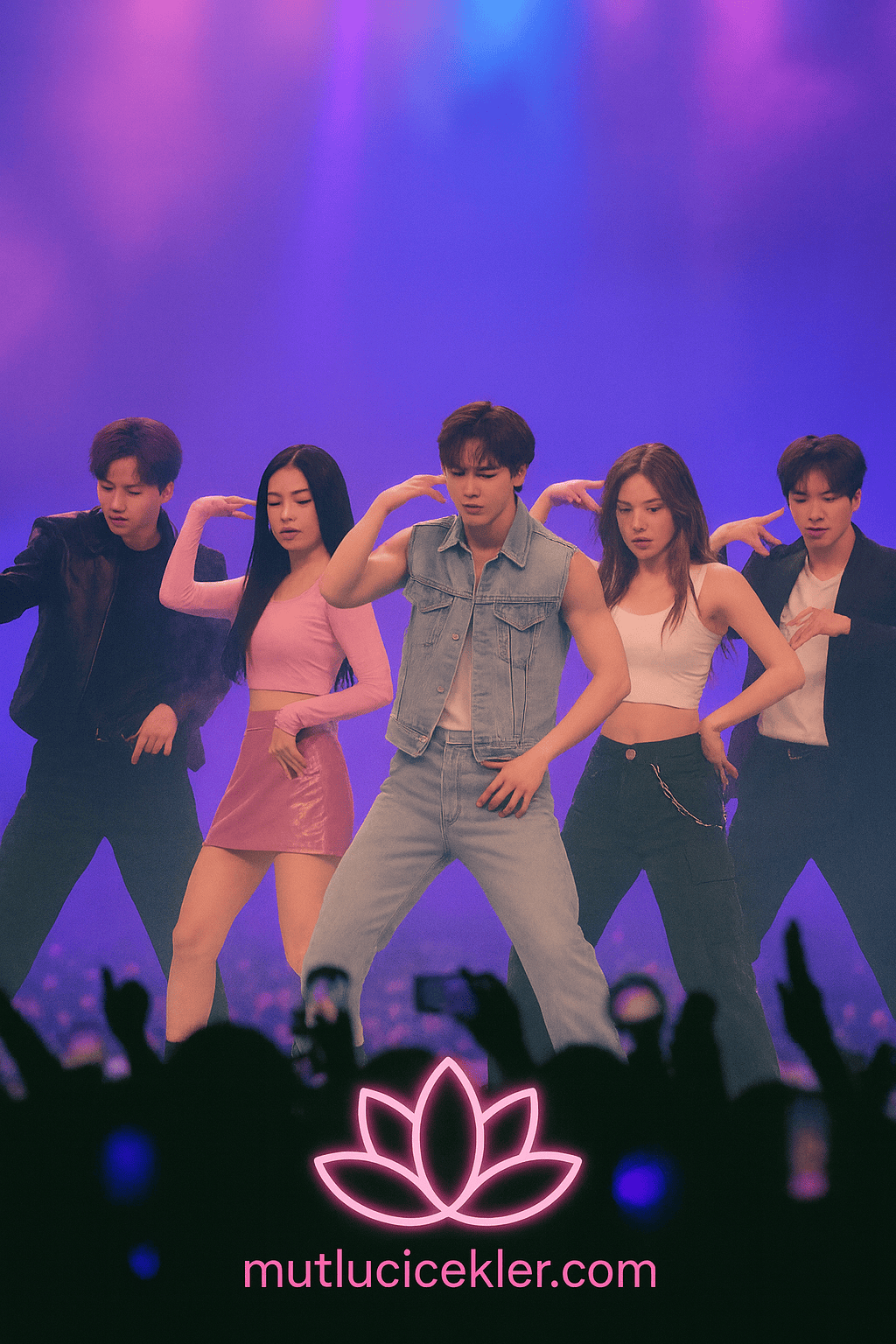
🕺 5. Choreographies are extremely challenging
K-Pop choreographies are considered advanced even for professional dancers.
Groups practice for months for a single song.
🎶 6. Many hit songs are written by foreign composers
A large number of K-Pop hits come from Swedish, American, and European producers before being adapted into Korean lyrics.
💄 7. Makeup is a standard for male idols
K-Pop normalized makeup for men globally.
Clear skin, eyeliner, and colorful hair are common parts of the idol look.
🎧 8. Every song has a “killing part”
This is the most memorable moment in the choreography, designed to go viral and define the performance.
💰 9. Albums are collector’s items
K-Pop albums include photocards, posters, stickers, and more.
Some photocards are sold for thousands of dollars by collectors.
🌍 10. K-Pop is one of Korea’s biggest cultural exports
It contributes significantly to South Korea’s global image and even boosts tourism.
🎤 11. Every fandom has its own unique lightstick
Lightsticks are specially designed for each group.
At concerts, thousands of them create a glowing sea of colors.
🔤 12. Many songs include English phrases
To reach global popularity, most hooks and choruses include catchy English words.
🕰 13. Idol schedules are incredibly intense
A typical idol’s daily routine:
• dance practice
• vocal lessons
• content shooting
• TV/radio recordings
• fan meetings
• gym workouts
All strictly timed.
✈️ 14. K-Pop world tours are economic powerhouses
Cities hosting K-Pop concerts see spikes in hotel bookings, restaurants, shopping, and tourism.
Tour revenues passed over a billion dollars in recent years.
❤️ 15. Fandom culture is unmatched
ARMY, Blink, Once, Stay, Carat, MOA…
Fans organize charity projects, boost album sales, promote streaming, and even influence award ceremonies.
📌 Conclusion
K-Pop is far more than just music. With its high production quality, powerful fan communities, multimedia concepts, and visionary stage culture, it has become one of the most influential forces of modern pop.
Every comeback is a universe, every group a story, and every fandom a cultural movement.
❓ FAQ
Why is K-Pop so popular?
Because of visually striking concepts, flawless performances, and strong social media interaction.
At what age do idols debut?
Most debut between ages 15–20, but some start in their early 20s.
Is K-Pop only popular in Korea?
No — it’s massively popular across Asia, Europe, Latin America, the Middle East, and the U.S.
Why are album sales so high?
Because albums include collectible items like photocards, which fans love to trade and collect.
Bir Cevap Yazın