
👋 Introduction
The story of humankind is a journey that stretches back millions of years. How did modern humans emerge? What did our ancestors look like? Why did some human species disappear?
In this article, we explore some of the most intriguing aspects of human evolution—supported by scientific discoveries, fossils, and genetics.
📌 Table of Contents
- 🧬 The Beginning of Evolution
- 🐒 Early Human Ancestors
- 🧠 The Evolution of the Human Brain
- 🚶♂️ The Shift to Bipedalism
- 🔥 The Discovery of Fire
- 🌍 Extinct Human Species
- 🧩 Genetic Secrets
- ❓ FAQ
- 🔚 Conclusion
- 🏷️ SEO Tags
🧬 1. The Beginning of Evolution
The story of human evolution begins 6–7 million years ago in Africa. Contrary to the popular misconception, humans did not evolve from modern monkeys. Instead, humans and monkeys share a common ancestor, diverging into separate branches over millions of years.
🐒 2. Early Human Ancestors
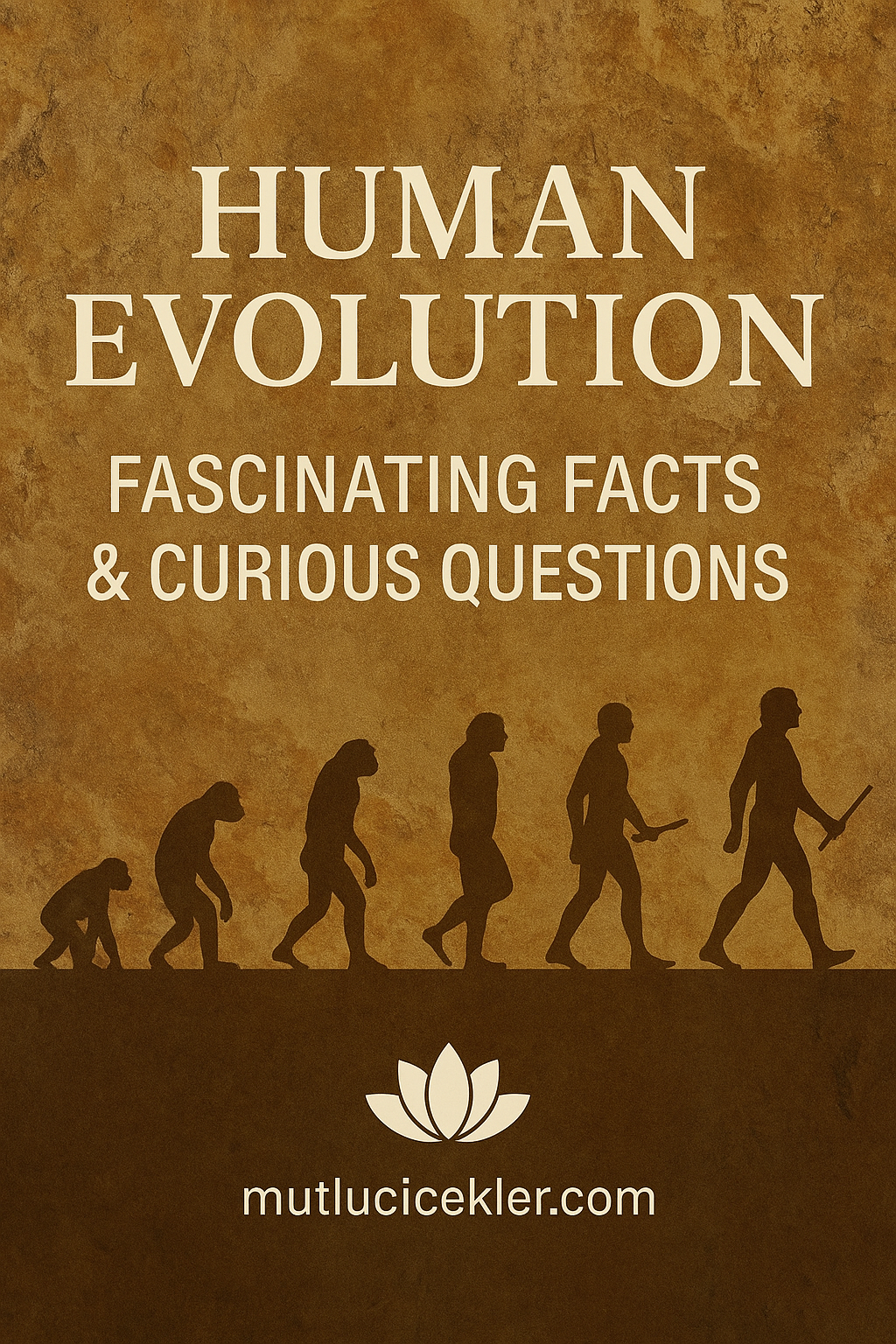
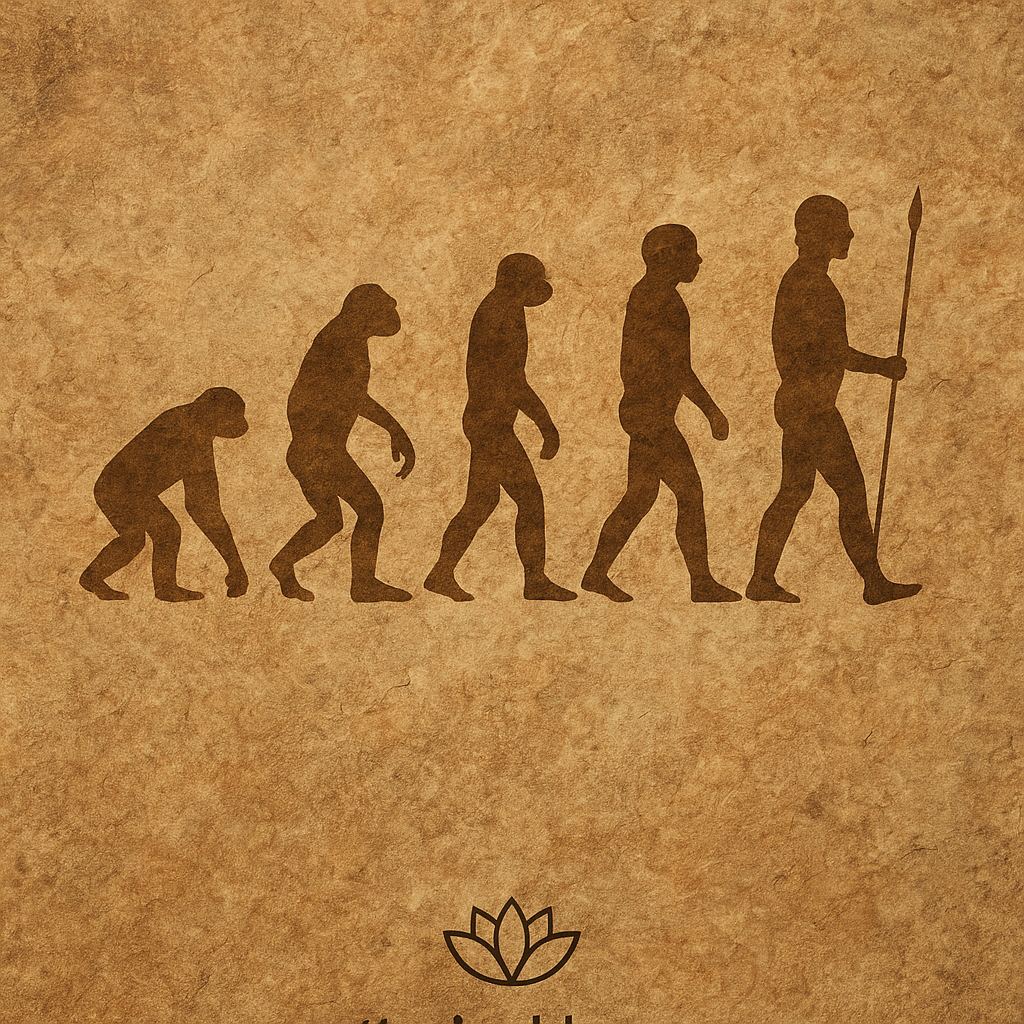
Major milestones in human evolution include:
- Australopithecus (3.5 million years ago): One of the earliest species to walk upright.
- Homo habilis (2.4 million years ago): First known toolmaker.
- Homo erectus (1.8 million years ago): Controlled fire and migrated out of Africa.
- Neanderthals (400,000 years ago): Highly intelligent and culturally advanced.
- Homo sapiens (300,000 years ago): The direct ancestors of modern humans.
🔍 Surprising Fact: Several human species coexisted on Earth at the same time.
🧠 3. The Evolution of the Human Brain
The human brain experienced rapid growth in the last 2 million years.
Key factors behind this expansion include:
- Complex social structures
- Development of language
- Tool-making and problem-solving
- Consumption of cooked, nutrient-rich food
⚡ Today, the brain accounts for only 2% of body weight but consumes 20% of the body’s energy.
🚶♂️ 4. The Shift to Bipedalism
Walking on two legs is one of the defining traits of humans.
Benefits of bipedalism:
- Hands became free for tool use
- Improved field of vision
- Greater endurance during long-distance travel
- Energy-efficient movement
This shift dramatically changed the shape of the pelvis, spine, and feet.
🔥 5. The Discovery of Fire
Fire is considered one of the most transformative developments in human evolution.
🔥 Impact of fire:
- Cooked food → Better nutrition → Brain expansion
- Protection from predators
- Social life developed around campfires
- Longer waking hours after sunset
🌍 6. Extinct Human Species
Earth once hosted many different human species. Some of the most well-known:
- Neanderthals
- Denisovans
- Homo floresiensis (“Hobbit humans”)
- Homo naledi
Modern humans interbred with some of these species; many people today carry 1–3% Neanderthal DNA.
🧩 7. Genetic Secrets
- Humans share 98% of their DNA with chimpanzees.
- Our genome contains remnants of ancient viruses.
- Traits like intelligence, eye color, and height result from the interaction of hundreds of genes.
- Human evolution is still ongoing—lactose tolerance and immunity changes are modern examples.
❓ 8. FAQ
🦍 Did humans evolve from monkeys?
No. Humans and monkeys share a common ancestor but evolved on separate paths.
🧬 Is human evolution still happening?
Yes. Evolution is continuous due to genetic mutations and environmental adaptations.
👣 What is the oldest known human ancestor?
Species like Sahelanthropus tchadensis and Orrorin tugenensis are among the oldest known hominin fossils.
🧠 Why did Neanderthals go extinct?
Likely due to climate change, small populations, and competition with Homo sapiens.
🔚 Conclusion
Human evolution is a complex and ever-unfolding story. Fossils, DNA studies, and archaeological discoveries continue to reveal astonishing details about our past. As science advances, we gain a deeper understanding of how we became who we are today.













Bir Cevap Yazın