

🌿 Introduction
Shahmaran is one of the most captivating legends of Anatolia—an ancient story that blends love, betrayal, wisdom, and sacrifice. Mostly associated with the regions of Mersin, Tarsus, and Adana, this myth has been passed down through generations, becoming a cultural symbol and a timeless story full of mystery.
In this article, you will explore who Shahmaran is, the full storyline, symbolic meanings, cultural significance, and how this legend lives on today.
📜 Who Is Shahmaran?
The name Shahmaran comes from Persian:
- Shah = King/Queen
- Mar = Snake
- Shahmaran = “Queen of the Snakes”
According to the legend:
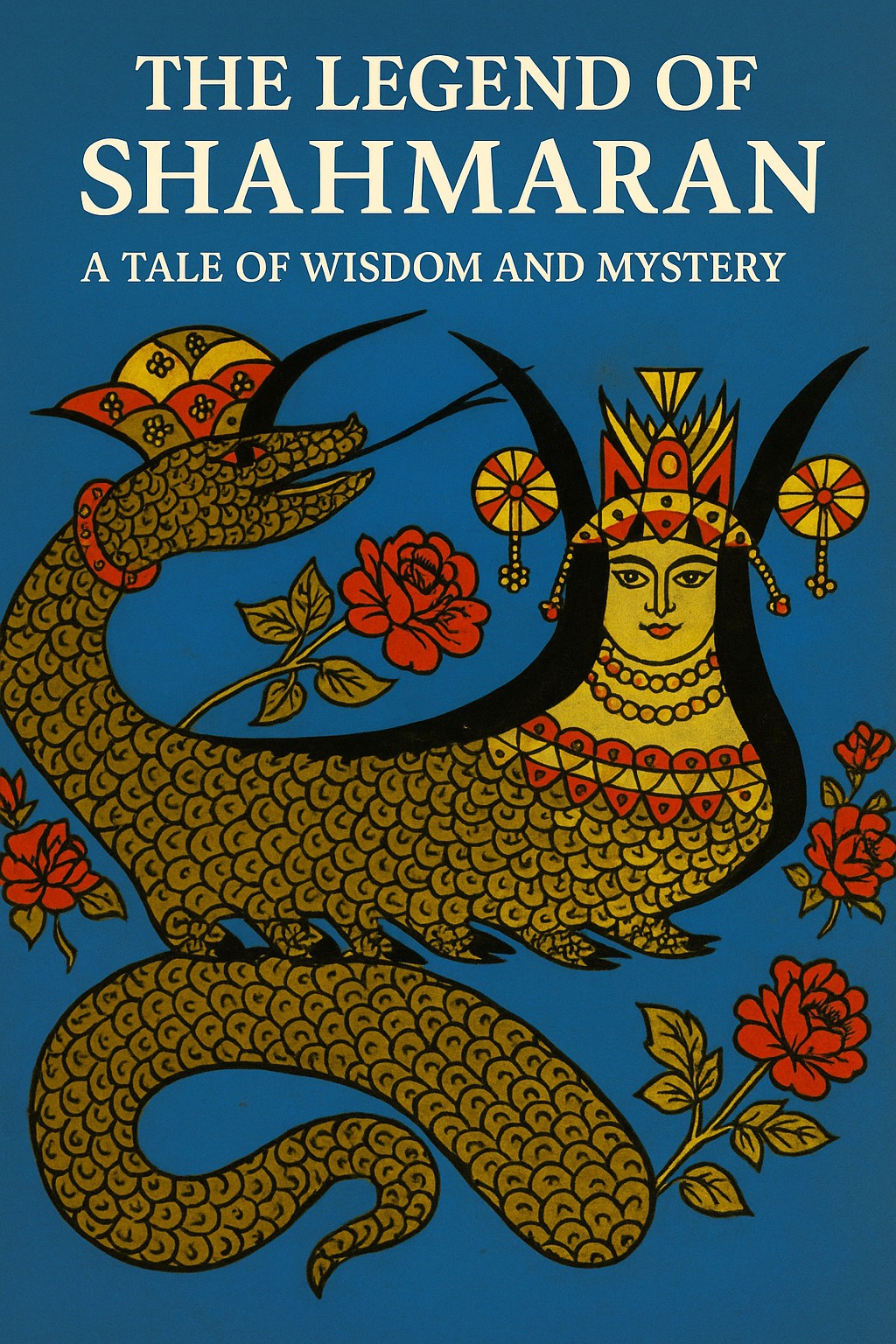
✨ Shahmaran has a human upper body and a serpent tail.
✨ She lives deep inside hidden caves beneath the earth.
✨ She possesses ancient wisdom, healing powers, and spiritual insight.
📚 The Story of Shahmaran
Long ago, there lived a poor but kind-hearted young man named Camsap (Cemşab). While searching for honey with his friends, he accidentally discovered a secret cave—Shahmaran’s kingdom.
There, he met Shahmaran.
Seeing his pure heart, she did not harm him; instead, she treated him with love and kindness. Over time, she taught him:
- The secrets of medicinal plants,
- The nature of the world,
- Ancient knowledge and deep wisdom.
But Camsap missed his family and asked for permission to return home. Shahmaran allowed him to leave under one condition:
He must never reveal her location.
Years later, the king fell gravely ill. Rumors spread that the only cure was Shahmaran’s body or blood. Camsap was eventually forced or pressured into revealing her whereabouts.
Before she was killed, Shahmaran gave Camsap a final message:
“Give my head to the king so he may heal.
Let the vizier drink my tail so he may perish.”
Just as she predicted:
- The king regained his health.
- The evil vizier died.
- Camsap continued on the path of wisdom.
From that day on, Shahmaran images began appearing in public baths and households as symbols of protection and knowledge.
🧿 Symbolic Meanings of the Shahmaran Legend
✨ Wisdom: Shahmaran represents deep knowledge and truth.
✨ Healing: Her body symbolizes medicine and recovery.
✨ Trust & Betrayal: The story reflects human weakness and moral struggle.
✨ Divine Feminine Energy: Her form symbolizes intuition, transformation, and spiritual power.
🏺 Snakes in Mythology & the Shahmaran Connection
Similar serpent-woman figures appear in many ancient cultures:
🐍 Medusa in Greek mythology
🐍 Naga in Indian mythology
🐍 Uraeus snake in Ancient Egypt
In all these cultures, snakes represent transformation, protection, and hidden power.
🕌 Shahmaran’s Presence in Anatolian Culture
Today, Shahmaran appears in many artistic and cultural forms:
- Bathhouse murals (especially in Tarsus)
- Home wall decorations
- Jewelry and talismans
- Carpets and traditional crafts
- Folk art and stories
Her image is believed to bring health, protection, and good fortune.
🌟 Conclusion
Shahmaran is a powerful cultural symbol—an ancient story blending loyalty, wisdom, betrayal, and rebirth. Still alive in art, tradition, and symbolism, this legend remains one of the most beloved and mystical tales of Anatolia.
❓ FAQ
🐍 Is Shahmaran a real figure?
No, she is a mythological character, but her cultural influence is very real.
🐍 Which cities are most connected to the Shahmaran myth?
Primarily Tarsus, Mersin, and Adana.
🐍 What does the name Shahmaran mean?
It means “Queen of the Snakes.”

Bir yanıt yazın