

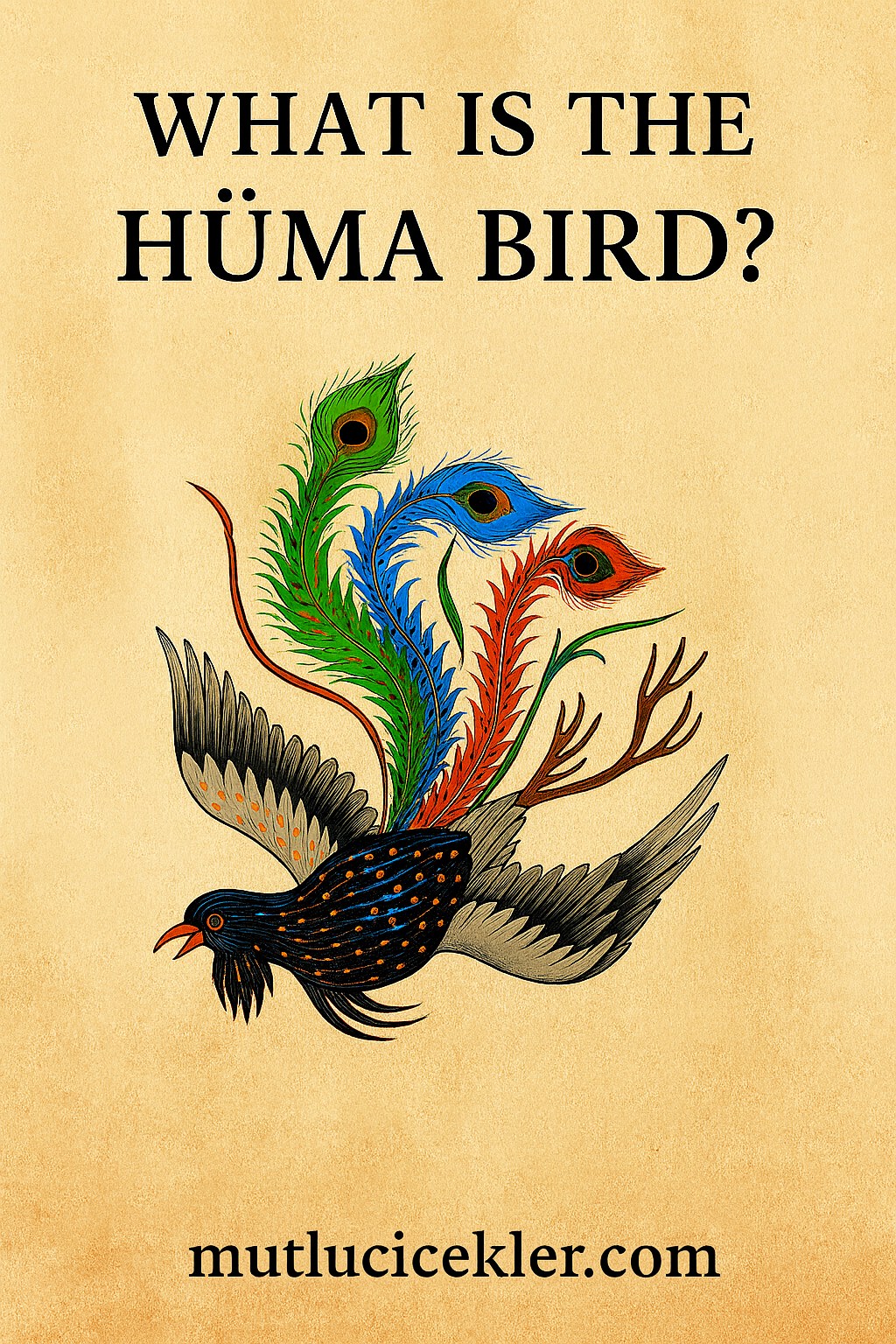
The Legendary Bird of Fortune, Freedom, and Destiny
The Hüma Bird is one of the most mysterious and symbolic creatures in Eastern mythology. Believed to never land on the ground and to live only in the sky, the Hüma Bird represents good fortune, freedom, divine destiny, and spiritual elevation. For centuries, it has been a powerful symbol in Turkish, Persian, and Islamic cultures.
🌤️ What Is the Hüma Bird?
The Hüma Bird is a mythical, legendary bird, not a real animal.
According to ancient beliefs:
- It never touches the earth
- It has no nest
- It spends its entire life flying in the sky
Legend says that whoever the shadow of the Hüma Bird falls upon will be blessed with great luck, honor, or power.
👑 The Hüma Bird and the Belief in Fortune
The Hüma Bird is closely associated with luck and destiny.
Those touched by its shadow are believed to:
- Rise to leadership or kingship
- Achieve great success
- Experience a life-changing moment
For this reason, the Hüma Bird is also known as the “State Bird” or “Bird of Sovereignty.”
🕌 The Hüma Bird in Turkish and Islamic Culture
In Turkish–Islamic tradition, the Hüma Bird symbolizes:
- Divine approval
- The concept of “kut” (heaven-granted authority)
- Just and righteous leadership
In ancient Turkic belief, being chosen by the Hüma Bird meant being spiritually selected to rule or guide others.
🪶 Legendary Characteristics of the Hüma Bird
According to myths, the Hüma Bird:
- Never lands on the ground
- Cannot be captured
- Has no physical home
- Lives beyond earthly limits
- Represents pure freedom
These qualities make it a symbol of the free soul and detachment from worldly desires.
📜 The Hüma Bird in Literature
The Hüma Bird frequently appears in classical poetry and literature, especially in Divan poetry.
Poets used it to symbolize:
- Unreachable love
- Supreme fortune
- High status
- Destiny and fate
The phrase “The Hüma Bird flies high” reflects these meanings.
🌍 Cultures Where the Hüma Bird Appears
The Hüma Bird is not limited to one culture. Similar legends exist in:
- Persian mythology
- Iranian cultural traditions
- Central Asian folklore
- Islamic narratives
Each culture interprets the Hüma Bird slightly differently, but its core symbolism remains the same.
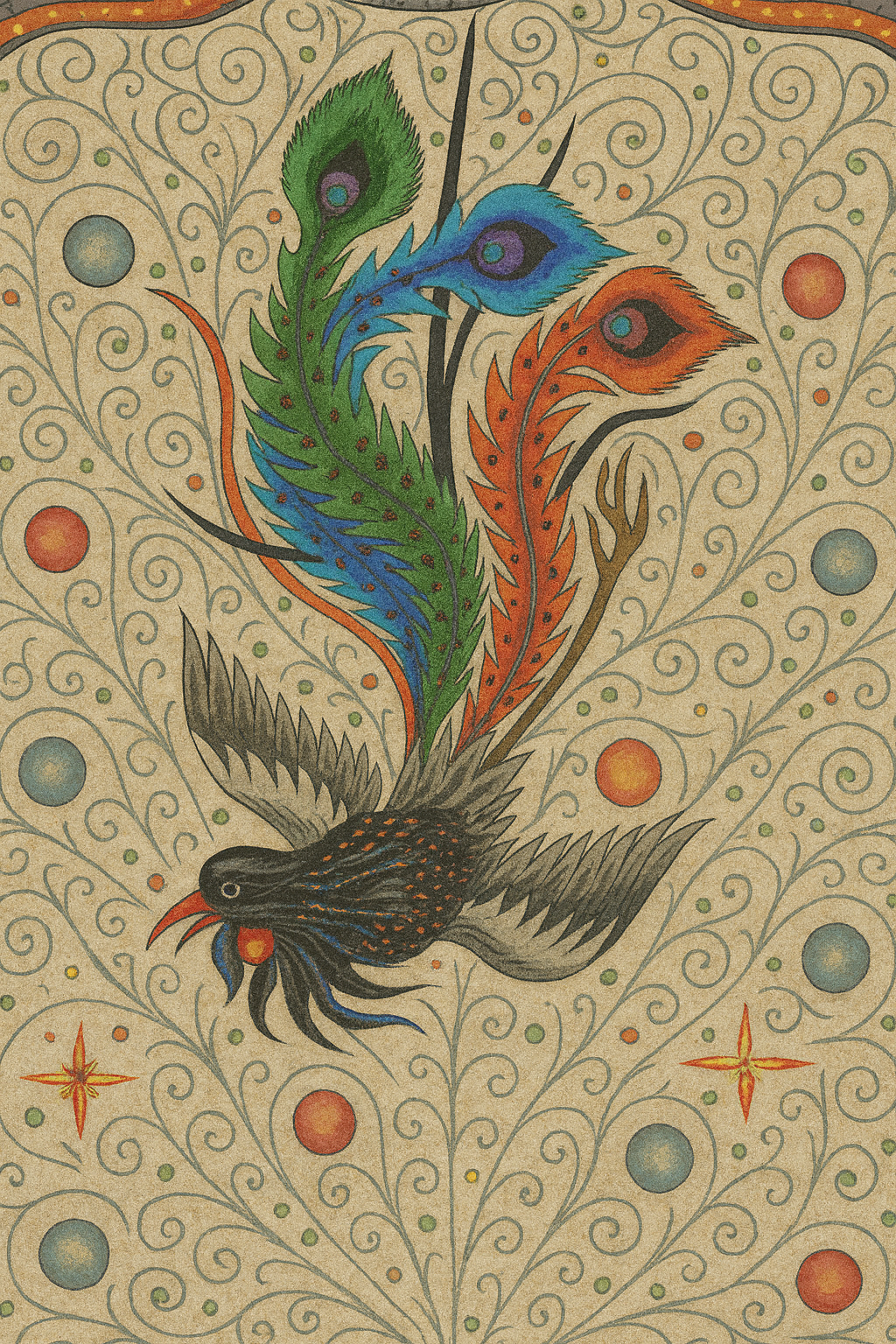
🕊️ What Does the Hüma Bird Symbolize?
The Hüma Bird represents:
- Freedom
- Fortune
- Destiny
- Spiritual elevation
- Divine justice
- Hope and aspiration
More than a legend, it is a reflection of humanity’s dreams and longing for meaning.
🌟 The Hüma Bird Today
Today, the Hüma Bird continues to inspire:
- Poetry and novels
- Personal development texts
- Brand names and symbols
- Artistic illustrations
It remains a metaphor for hope, success, and rising above limitations.
🕊️ Final Thoughts: A Symbol That Lives in the Sky
The Hüma Bird is a timeless symbol of human imagination.
Its refusal to touch the ground reminds us of:
- Freedom
- Dreams
- Belief in destiny
Perhaps the true power of the Hüma Bird lies not in its existence, but in our belief in hope and possibility.
❓ FAQ
Is the Hüma Bird real?
→ No, it is a mythical and symbolic creature.
Why does the Hüma Bird never land?
→ It represents freedom and detachment from worldly ties.
Is the Hüma Bird the same as the “State Bird”?
→ Yes, in many traditions, they are the same symbol.


Bir yanıt yazın