
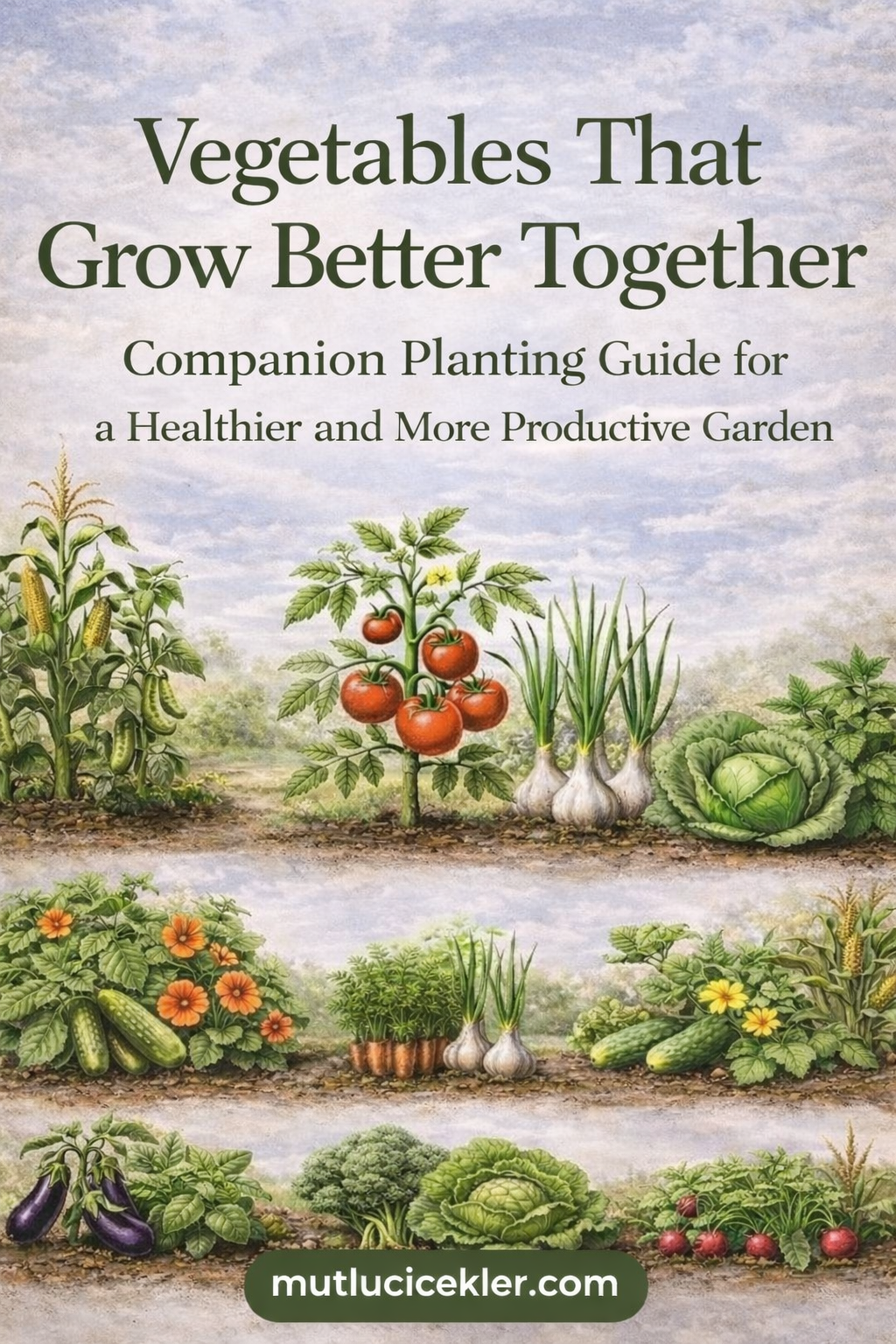
Companion Planting Guide for a Healthier and More Productive Garden
Gardening is not just about planting seeds and waiting for them to grow. Nature works through harmony, balance, and cooperation. One of the most effective natural gardening methods that reflects this balance is companion planting — growing certain vegetables side by side so they support and protect each other.
When the right plants are grown together, they can improve soil health, reduce pests naturally, increase yields, and even enhance flavor. In this guide, you’ll discover the best vegetable pairings and how companion planting can transform your garden 🌿
🌾 What Is Companion Planting?
Companion planting is the practice of growing different plants together for mutual benefit. Some plants repel pests, others enrich the soil, and some provide shade or structural support. Instead of relying on chemicals, companion planting works with nature, not against it.
🌽 Best Vegetable Pairings That Thrive Together
🌽 Corn + Beans
Corn acts as a natural support for climbing beans, while beans enrich the soil by fixing nitrogen.
Result: Stronger plants and higher yields.
🍅 Tomatoes + Garlic
Garlic repels harmful insects that commonly attack tomato plants.
Result: Healthier tomatoes and fewer diseases.
🥬 Cabbage + Mint
Mint’s strong aroma confuses cabbage moths and harmful insects.
Result: Cleaner leaves and better growth.
🥒 Cucumber + Nasturtium
Nasturtiums attract pests away from cucumbers and protect them naturally.
Result: More productive cucumber plants.
🥕 Carrots + Onions
Onions repel carrot flies, while carrots deter onion flies.
Result: Mutual protection without chemicals.
🎃 Squash + Corn
Squash spreads across the soil, preserving moisture and suppressing weeds.
Result: Healthier soil and reduced maintenance.
🍆 Eggplant + Basil
Basil repels pests and supports eggplant growth.
Bonus: A perfect pairing for the kitchen too 😋
🥦 Broccoli + Lettuce
Lettuce grows quickly and helps maintain soil moisture for broccoli.
Result: Efficient use of space and resources.
🌿 Spinach + Radish
Radishes mature quickly, making room for spinach to expand.
Result: Two harvests from one planting area.
🌼 Tips for Successful Companion Planting
✔ Choose plants with similar sunlight and watering needs
✔ Avoid pairing heavy nutrient competitors
✔ Mix vegetables with flowers and herbs for natural pest control
✔ Observe your garden and adjust combinations if needed
❓ Frequently Asked Questions (FAQ)
🌱 Does companion planting really work?
Yes. Companion planting is supported by both traditional gardening practices and modern agricultural research. It helps reduce pests, improve soil health, and increase overall productivity.
🪴 Can companion planting be used in small gardens or containers?
Absolutely. Pairings like tomatoes and basil or lettuce and radishes are ideal for balconies, raised beds, and container gardening.
☀️ Is sunlight important when planting vegetables together?
Very important. Plants grown together should have similar sun requirements. Otherwise, one may thrive while the other struggles.
💧 Should companion plants have the same watering needs?
Yes. Pairing plants with similar water needs prevents overwatering or underwatering and keeps both plants healthy.
🐛 Can companion planting fully replace pesticides?
While it may not eliminate pests completely, it significantly reduces pest problems and minimizes the need for chemical treatments.
🌸 Can flowers be planted with vegetables?
Definitely. Flowers like nasturtium, marigold, and chamomile attract pollinators and repel harmful insects, boosting garden health.
🚫 Are there vegetables that should NOT be planted together?
Yes. Some combinations, such as tomatoes and potatoes or beans and onions, can stunt growth or increase disease risk.
📅 Does planting time matter in companion planting?
Yes. Fast-growing crops like radishes can be harvested early, allowing slower-growing plants more space later.
🌍 Final Thoughts
Companion planting is a powerful, natural way to grow healthier vegetables with less effort and fewer chemicals. Whether you have a small balcony garden or a large backyard, the right plant combinations can make a noticeable difference.
🌿 For more gardening tips, nature-inspired guides, and sustainable living ideas, don’t forget to follow mutlucicekler.com and stay connected with us.












Bir Cevap Yazın