
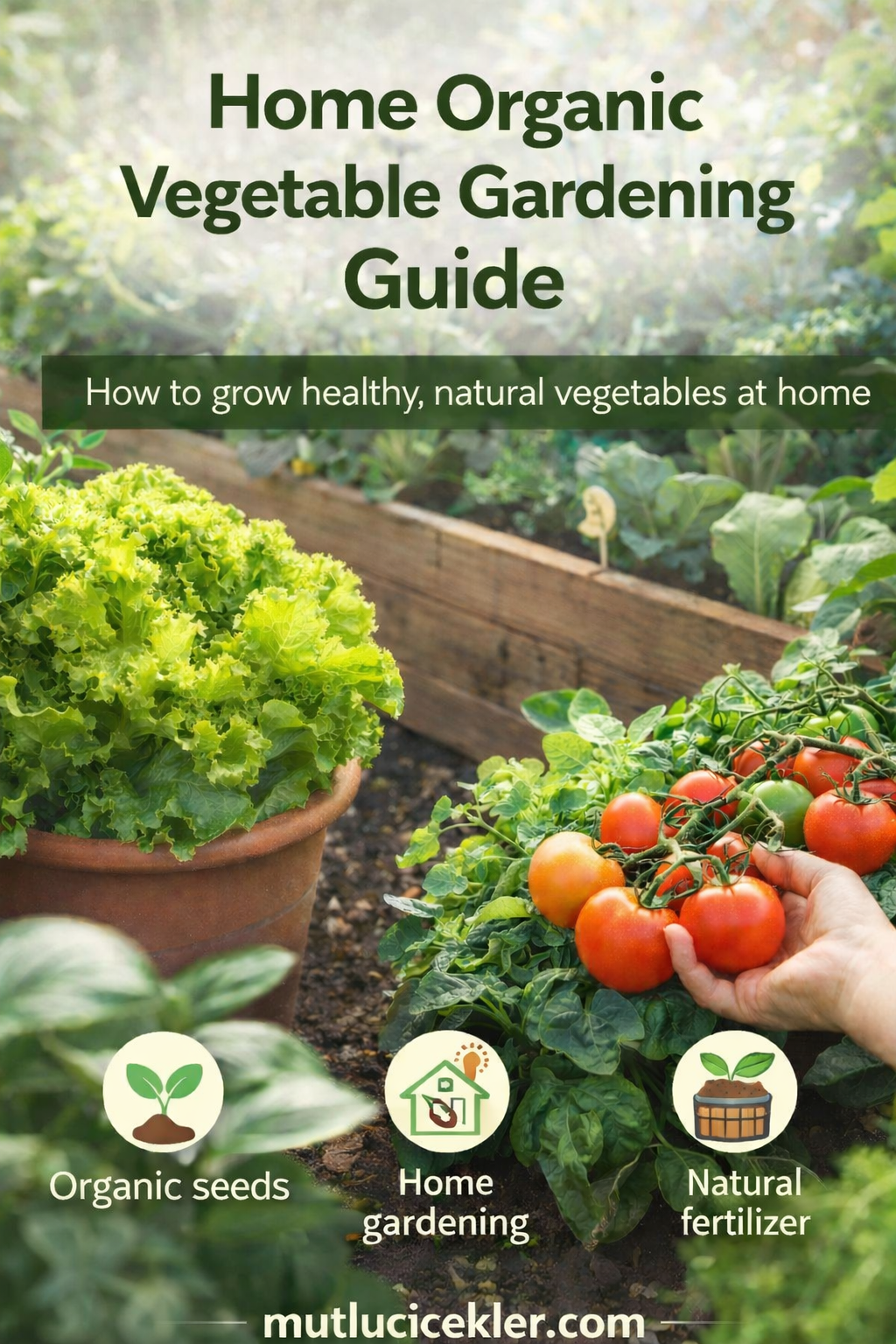
How to Grow Healthy, Natural Vegetables at Home, on Your Balcony, or Indoors
As awareness around healthy eating and sustainable living continues to grow, home organic vegetable gardening has become more than just a hobby—it is now a lifestyle choice. Vegetables grown at home are free from harmful chemicals, pesticides, and artificial fertilizers, making them safer, fresher, and more nutritious than store-bought alternatives.
In this comprehensive guide, you will learn how to grow organic vegetables at home, even in small spaces like balconies or windowsills. From soil preparation to natural fertilization and pest control, this article covers everything you need to start your own home garden successfully.
🌿 Benefits of Growing Organic Vegetables at Home
Growing your own vegetables offers multiple advantages beyond fresh produce:
- No chemical pesticides or synthetic fertilizers
- Higher nutritional value and better taste
- Complete food safety and transparency
- Reduced grocery expenses
- Eco-friendly and sustainable lifestyle
- Stress relief and mental well-being
- Educational experience for children
🪴 Essential Requirements for Home Vegetable Gardening
| Requirement | Description |
|---|---|
| Organic seeds | Certified, non-GMO seeds are recommended |
| Quality soil | Well-draining, nutrient-rich soil |
| Pots or containers | With drainage holes |
| Sunlight | Minimum 5–6 hours per day |
| Water | Low-lime, room-temperature water |
| Natural fertilizer | Compost, worm castings, organic matter |
🌱 Ideal Soil Mix for Organic Gardening
Healthy soil is the foundation of successful organic gardening. A recommended home soil mix includes:
- 40% peat or coco coir
- 30% garden soil
- 20% compost
- 10% perlite or sand
This mix improves root aeration, water retention, and nutrient availability.
🌞 Easy-to-Grow Organic Vegetables at Home
| Vegetable | Light Needs | Location | Watering | Harvest Time |
|---|---|---|---|---|
| Lettuce | Medium | Pots / balcony | Frequent | 30–40 days |
| Tomatoes | High | Balcony | Moderate | 60–80 days |
| Peppers | High | Balcony | Moderate | 70–90 days |
| Cucumbers | High | Balcony | Regular | 50–70 days |
| Arugula | Medium | Windowsill | Frequent | 20–30 days |
| Parsley | Medium | Indoors | Moderate | 30–40 days |
| Green onions | Low | Indoors | Light | 20 days |
💧 Proper Watering Techniques
One of the most common mistakes in home gardening is overwatering.
- Water only when the topsoil feels dry
- Avoid wetting leaves excessively
- Water early in the morning or late afternoon
- Ensure excess water drains properly
👉 Golden rule: Moist soil is good; soggy soil is harmful.
🌿 Natural & Organic Fertilizer Options
| Organic Fertilizer | Benefits |
|---|---|
| Worm castings | Improves soil vitality |
| Banana peels | Rich in potassium |
| Eggshells | Calcium source |
| Coffee grounds | Enhances soil structure |
| Homemade compost | Balanced nutrient supply |
🐞 Natural Pest Control Without Chemicals
Organic gardening avoids synthetic pesticides. Instead, use:
- Garlic and water spray
- Mild soap solution
- Neem oil
- Proper plant spacing
- Good air circulation
These methods effectively protect plants while keeping them safe for consumption.
🌸 Professional Tips to Increase Yield
- Do not overcrowd plants
- Prune weak or damaged leaves regularly
- Rotate pots for even sunlight
- Harvest on time to encourage new growth
- Remove dead foliage promptly
🌍 Can You Grow Vegetables at Home All Year Round?
Yes! With proper planning, year-round gardening is possible:
- Spring–Summer: Tomatoes, peppers, cucumbers
- Fall–Winter: Lettuce, spinach, arugula
- All year: Parsley, green onions, herbs
✅ Conclusion
Growing organic vegetables at home is one of the most rewarding steps toward a healthier and more sustainable lifestyle. Even a small balcony or sunny window can become a productive garden. With the right knowledge, patience, and care, anyone can enjoy fresh, chemical-free vegetables grown with their own hands.
❓ Frequently Asked Questions (FAQ)
Is home organic vegetable gardening expensive?
No. Initial costs are low, and it saves money in the long run.
Can I grow vegetables indoors without direct sunlight?
Yes, low-light vegetables can grow indoors with sufficient indirect light.
How long does it take to harvest vegetables?
Depending on the vegetable, harvest time ranges from 20 to 90 days.
Do I need to replace the soil every year?
No. Soil can be refreshed with compost and organic matter.
For more organic living tips and natural lifestyle guides, follow us.
mutlucicekler.com












Bir Cevap Yazın