
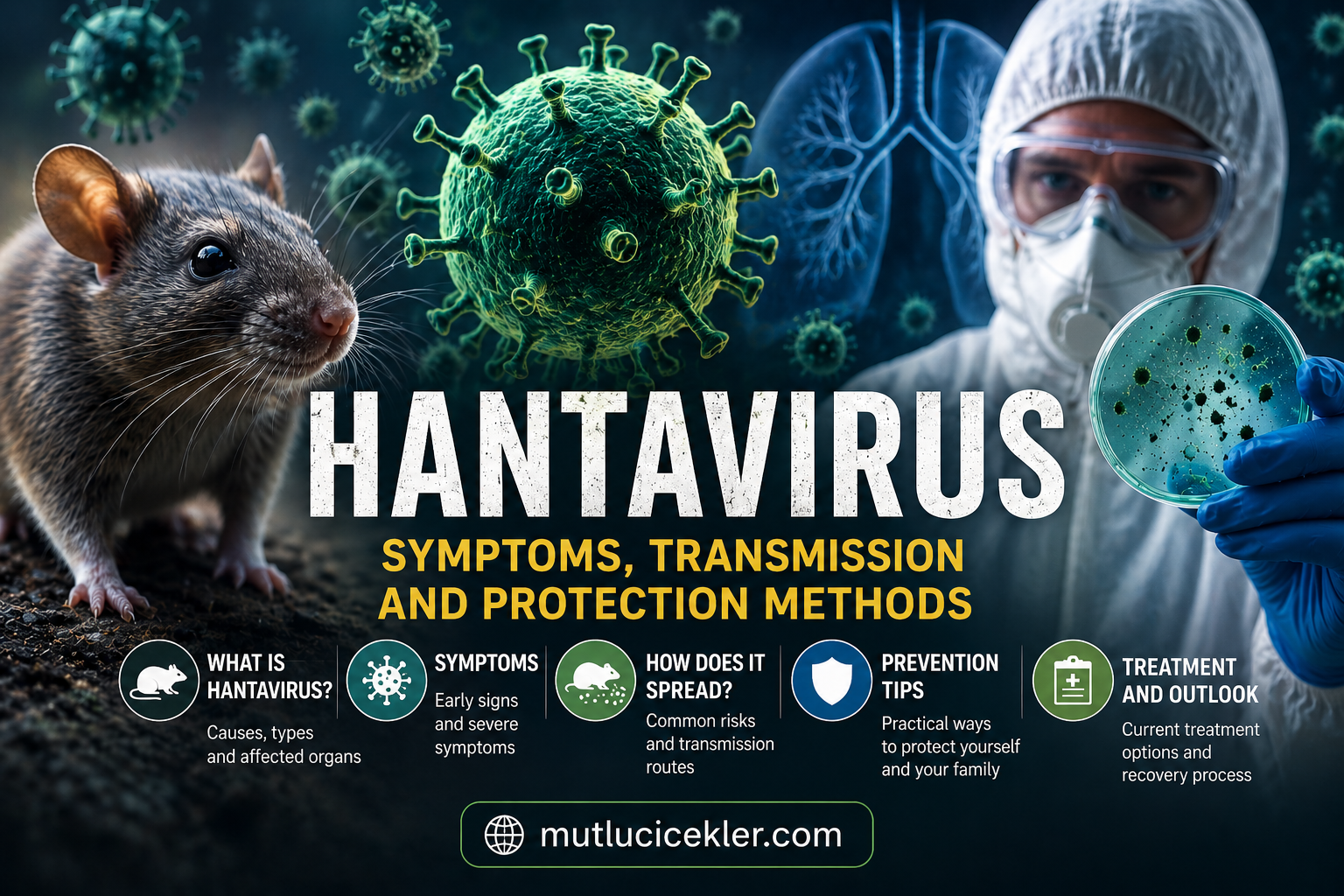
In recent years, one of the viruses that has frequently appeared in global health discussions is Hantavirus. This virus, often linked to rodents, can sometimes lead to severe respiratory problems and life-threatening complications. But what exactly is hantavirus, how does it spread, and can you protect yourself from it? Here’s everything you need to know.
🧬 What Is Hantavirus?
Hantavirus is a group of viruses mainly carried by rodents such as mice and rats. Humans usually become infected through contact with rodent urine, droppings, or saliva. The virus first gained attention during the Korean War in the 1950s and has since been reported in different parts of the world.
There are several types of hantaviruses, and some can cause serious illnesses in humans, including:
- Hantavirus Pulmonary Syndrome (HPS) → Affects the lungs
- Hemorrhagic Fever with Renal Syndrome (HFRS) → Affects the kidneys
Without early diagnosis and treatment, these illnesses can become very dangerous.
🐭 How Does Hantavirus Spread?
The most common way hantavirus spreads is through contact with infected rodents. However, simply seeing a mouse does not necessarily mean infection.
⚠️ Common Risk Situations
- Sweeping rodent droppings
- Cleaning areas contaminated with rodent urine
- Entering long-unused storage rooms or cabins
- Working in barns, basements, or old buildings
- Camping or hiking in rodent-infested areas
- Being bitten by a rodent
The virus can also spread when tiny contaminated particles become airborne and are inhaled.
🤒 What Are the Symptoms of Hantavirus?
Symptoms usually appear between 1 and 8 weeks after exposure.
🩺 Early Symptoms
- High fever
- Fatigue
- Muscle aches
- Headaches
- Chills
- Nausea and vomiting
😮💨 Severe Symptoms
- Shortness of breath
- Persistent coughing
- Fluid buildup in the lungs
- Chest tightness
Some patients may also experience kidney problems and internal bleeding.
🚨 Is Hantavirus Deadly?
Yes, certain strains of hantavirus can be fatal. The types affecting the lungs can progress rapidly, making early medical intervention extremely important. However, survival chances improve significantly with early diagnosis and intensive care support.
For this reason:
- Be cautious when cleaning unused areas
- Seek medical attention if you experience sudden breathing problems and fever
- Wear masks in places with possible rodent contamination
🧼 How to Protect Yourself From Hantavirus
The best way to prevent hantavirus is to reduce exposure to rodents.
✅ Prevention Tips
- Never sweep rodent droppings dry
- Ventilate closed spaces before cleaning
- Wear gloves and masks
- Store food properly
- Seal holes and entry points in homes
- Choose clean camping locations
🧴 Cleaning Advice
Health experts recommend disinfecting rodent-contaminated areas with bleach solutions before cleaning. Dry sweeping may spread virus particles into the air.
🌍 Hantavirus Cases Around the World
Hantavirus cases are most commonly reported in:
- North and South America
- Asia
- Certain parts of Europe
People living in rural areas or working closely with nature may face higher risks.
🏥 Is There a Treatment for Hantavirus?
Currently, there is no specific antiviral cure for hantavirus. Treatment mainly focuses on supportive medical care such as:
- Oxygen and respiratory support
- Intensive care monitoring
- Fluid balance management
- Organ support if necessary
Early treatment can greatly improve recovery chances.
🔍 Interesting Facts About Hantavirus
- The virus gets its name from the “Hantan River” in Korea.
- Human-to-human transmission is extremely rare.
- Not every rodent carries hantavirus.
- Some hantavirus strains exist only in specific rodent species.
- Proper hygiene measures can significantly reduce the risk.
❓ Frequently Asked Questions (FAQ)
Can hantavirus spread from person to person?
Most hantavirus strains rarely spread between humans.
Can house mice carry hantavirus?
Some rodent species can carry the virus, so direct contact with droppings and urine should be avoided.
Can hantavirus be confused with the flu?
Yes. Early symptoms are similar to the flu, but breathing difficulties can be a warning sign.
Is hantavirus found in Türkiye?
There have been reported cases in Türkiye in previous years, but it is not considered a widespread disease.
📝 Final Thoughts
Hantavirus is a rare but serious virus that should not be ignored. Paying attention to hygiene in areas where rodents may be present is essential. Recognizing the symptoms early and seeking medical care when necessary can save lives.
For more health, science, and trending informational content, don’t forget to follow us!
mutlucicekler.com













Michael Sammut için bir cevap yazınCevabı iptal et