


Turkish mythology is a vast world filled with divine beings, sacred animals, powerful spirits, and legendary heroes. Long before modern fantasy stories introduced magical worlds, ancient Turkic societies had already created rich tales explaining life, nature, and the mysteries of the universe.
From the endless steppes of Central Asia to the mountains and valleys of Anatolia, Turkish mythology evolved over centuries and became one of the most fascinating cultural treasures of the Turkic world.
Today, interest in Turkic mythology is rapidly growing worldwide. Characters like the Grey Wolf, Umay Ana, Erlik Han, and Asena continue to inspire books, games, films, and historical discussions.
Let’s explore the most important figures of Turkish mythology.
What Is Turkish Mythology?
Turkish mythology is the collection of legends, beliefs, creation stories, and spiritual traditions developed by ancient Turkic communities.
Core beliefs included:
- Reverence for nature
- Sky worship
- Shamanic traditions
- Sacred spirits
- Ancestor beliefs
Ancient Turks believed nature itself was alive.
Mountains had spirits.
Rivers had guardians.
Animals carried sacred meanings.
The sky represented divine power.
1. Asena — The Legendary She-Wolf
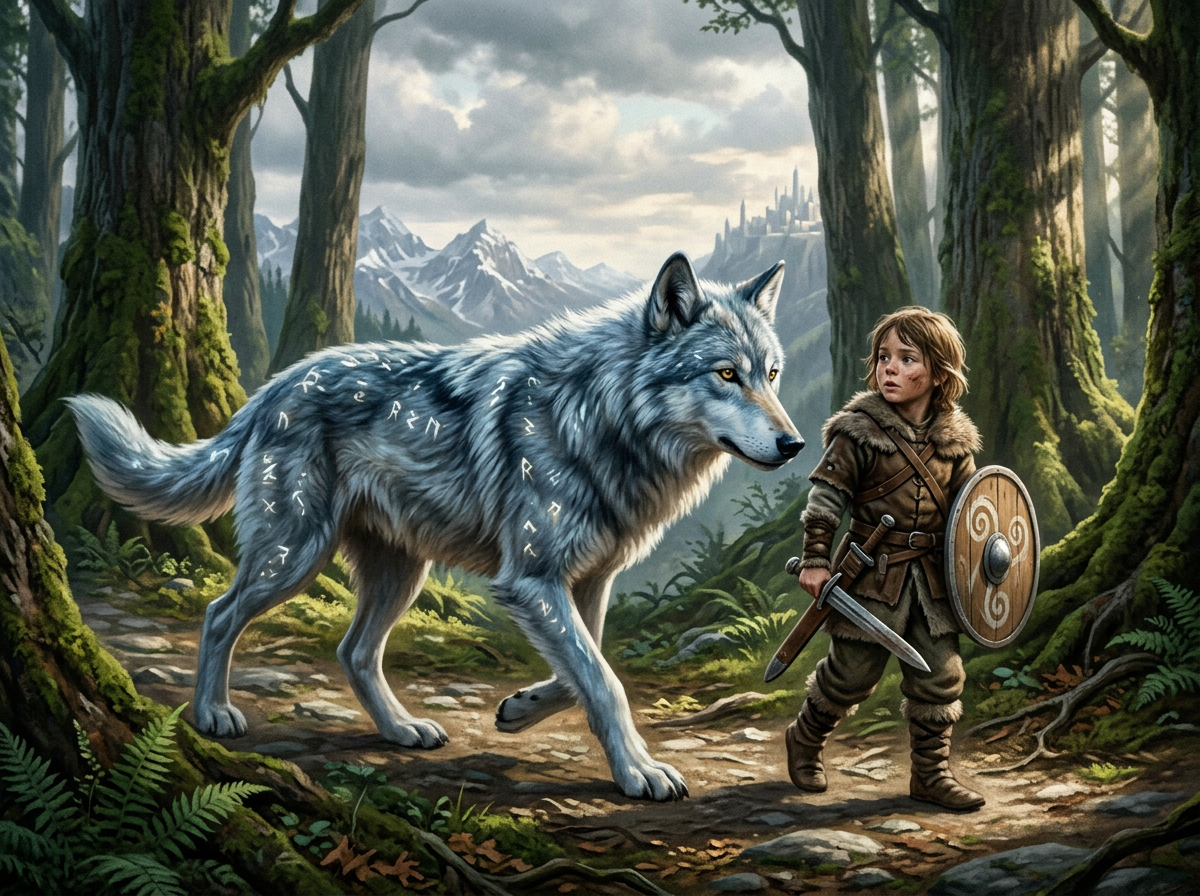
Asena is one of the most recognized characters in Turkish mythology.
According to ancient Göktürk legends, a wounded child was rescued by a she-wolf named Asena, who later became connected with the origin of an entire lineage.
Asena symbolizes:
🐺 Strength
🐺 Survival
🐺 Guidance
🐺 Rebirth
The wolf later became one of the strongest symbols in Turkic culture.
2. Ülgen — Lord of Creation and Light
Ülgen is considered one of the supreme heavenly beings in Turkic mythology.
He is often described as:
- Creator figure
- Protector of humanity
- Source of wisdom
- Symbol of goodness
Ancient traditions place Ülgen in the upper layers of the sky.

3. Erlik Han — Ruler of the Underworld
Erlik Han is one of the most mysterious figures in Turkish mythology.
Although often compared with underworld figures from other cultures, Erlik has a more complex role.
He represents:
- Death
- Darkness
- The underworld
- Spiritual trials
Rather than pure evil, Erlik Han often symbolizes balance and challenges within existence.

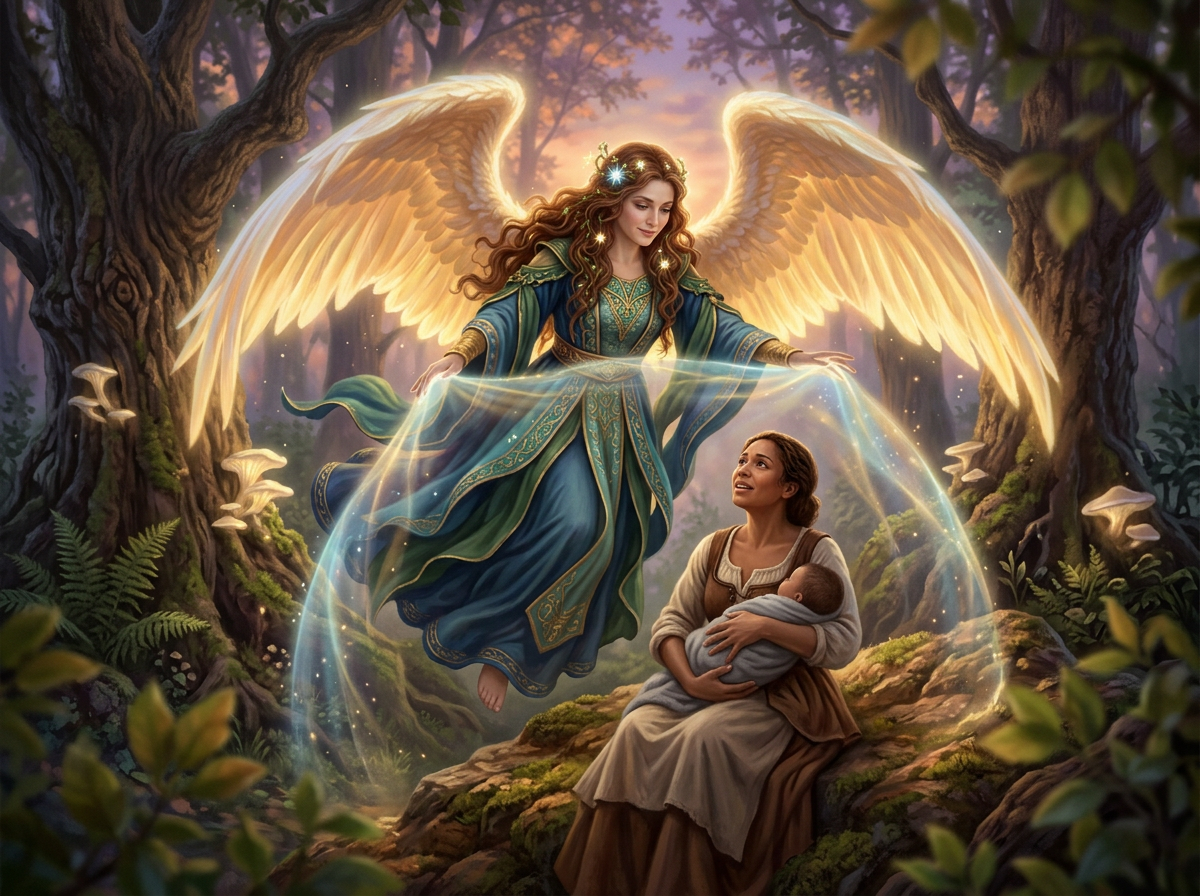
4. Umay Ana — Guardian of Mothers and Children
Umay Ana is one of the most beloved female figures in Turkic mythology.
She is believed to protect:
- Mothers
- Babies
- Families
- Fertility
- Prosperity
Ancient families believed Umay watched over children during their earliest years.
5. Bozkurt (Grey Wolf) — Sacred Guide of the Turks
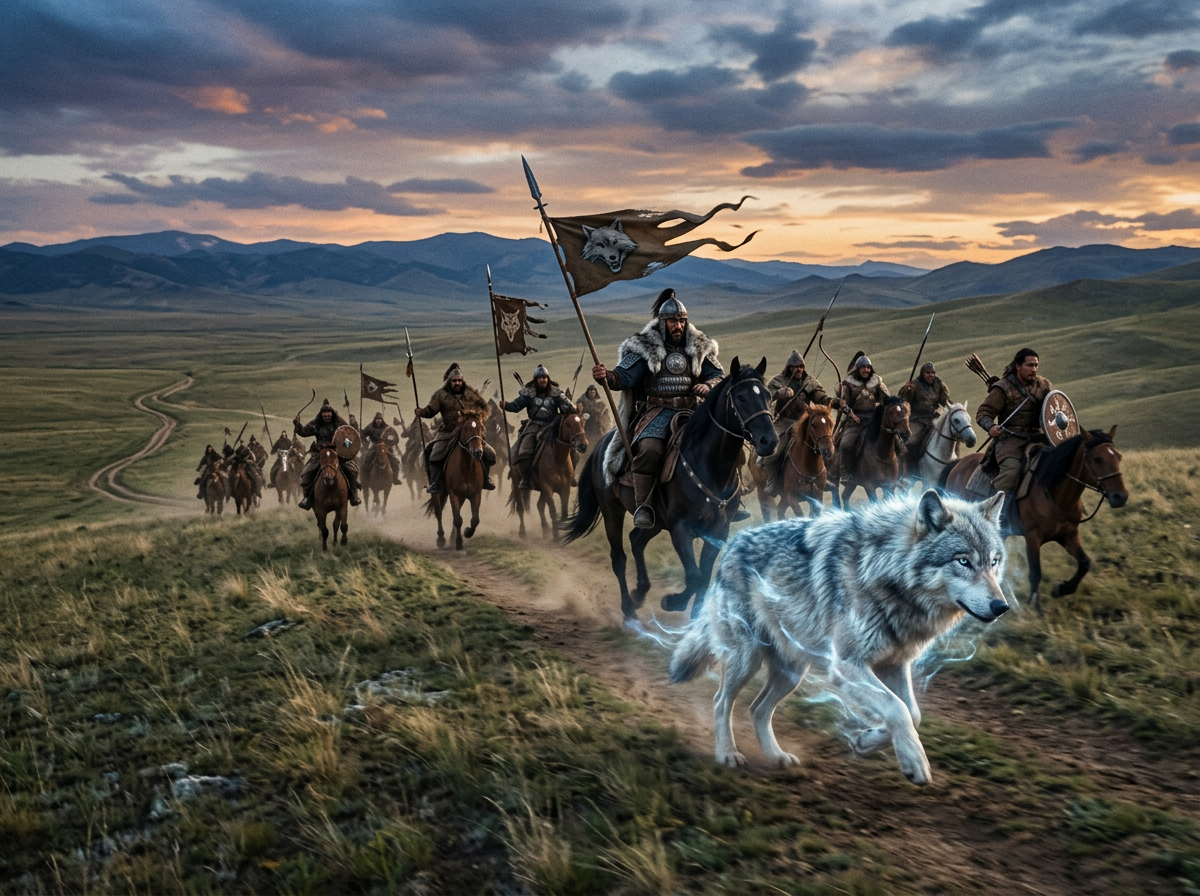
The Grey Wolf is far more than an animal in Turkish mythology.
It often appears as:
- A guide during difficult times
- A symbol of courage
- A protector of tribes
- A pathfinder in legends
In the famous Ergenekon legend, a wolf leads people toward freedom.
6. Tepegöz — The One-Eyed Giant
Tepegöz appears in the stories of Dede Korkut and is among the most feared mythological beings.
His characteristics include:
- Massive strength
- Giant size
- A single eye
- Near invincibility
Many researchers compare him to cyclops figures from other mythologies.

7. Ak Ana — Spirit of Wisdom and Inspiration
Ak Ana appears in ancient creation stories.
According to legend, she revealed divine wisdom and helped guide creation itself.
She symbolizes:
✨ Purity
✨ Wisdom
✨ Inspiration
✨ Knowledge
Mysterious Creatures of Turkish Mythology
The world of Turkish mythology also includes many fascinating creatures:
- Yelbegen
- Evren (Dragon)
- Albastı
- Karakura
- Shulmus
- Forest spirits
- Water guardians
Different regions preserved different versions of these legends.
Turkish Mythology in Modern Culture
Today Turkish mythology continues to influence:
🎮 Video games
🎬 TV series
📚 Fantasy books
🎨 Artworks
🎵 Music and storytelling projects
Global audiences have started discovering Turkic legends and ancient mythology in recent years.
Frequently Asked Questions (FAQ)
Who is the most powerful figure in Turkish mythology?
Many traditions consider Ülgen one of the highest divine figures.
Why is the wolf important in Turkish culture?
The wolf symbolizes guidance, strength, and survival because of legends such as Asena and Bozkurt.
Is Turkish mythology connected to shamanism?
Yes. Ancient Turkic beliefs were strongly influenced by shamanic traditions.
Is Turkish mythology still relevant today?
Absolutely. Interest in Turkish mythology continues growing worldwide.
Final Thoughts
Turkish mythology is much more than ancient stories. It contains deep themes of survival, family, spirituality, nature, and identity.
From Asena to Erlik Han, every character reflects the beliefs and imagination of ancient Turkic civilizations.
Even today, these legends continue to inspire new generations.
Follow us for more mythology, history, culture and fascinating discoveries. mutlucicekler.com
Bir yanıt yazın