

Estonia may be one of the smallest countries in Northern Europe, but it offers an impressive combination of medieval towns, untouched forests, Baltic Sea islands, beautiful beaches, historic castles, and modern city life. For first-time visitors, Estonia is an easy and rewarding destination where centuries-old architecture sits alongside one of Europe’s most digitally advanced societies.
Most travelers begin their journey in Tallinn, famous for its UNESCO-listed medieval Old Town. However, Estonia has much more to discover beyond its capital. From the university atmosphere of Tartu and the seaside charm of Pärnu to the forests of Lahemaa National Park and the peaceful landscapes of Saaremaa Island, Estonia is ideal for travelers looking for history, nature, culture, and authentic Baltic experiences.
This Estonia travel guide covers the best places to visit in Estonia, what to eat, when to visit, transportation tips, and a suggested 5-day Estonia itinerary.
🇪🇪 Estonia at a Glance
📍 Capital: Tallinn
🌍 Region: Northern Europe / Baltic States
🗣️ Official Language: Estonian
💶 Currency: Euro (€)
🕒 Time Zone: Eastern European Time
🏙️ Largest City: Tallinn
✈️ Main Airport: Tallinn Airport
🌊 Coastline: Baltic Sea
🏰 Known For: Medieval architecture, forests, islands, digital innovation and Baltic culture
📅 Recommended Trip Length: 4–7 days
Estonia is part of the Baltic region together with Latvia and Lithuania. Despite its relatively small size, the country contains thousands of islands and islets as well as extensive forests, wetlands and coastal landscapes.
Best Places to Visit in Estonia
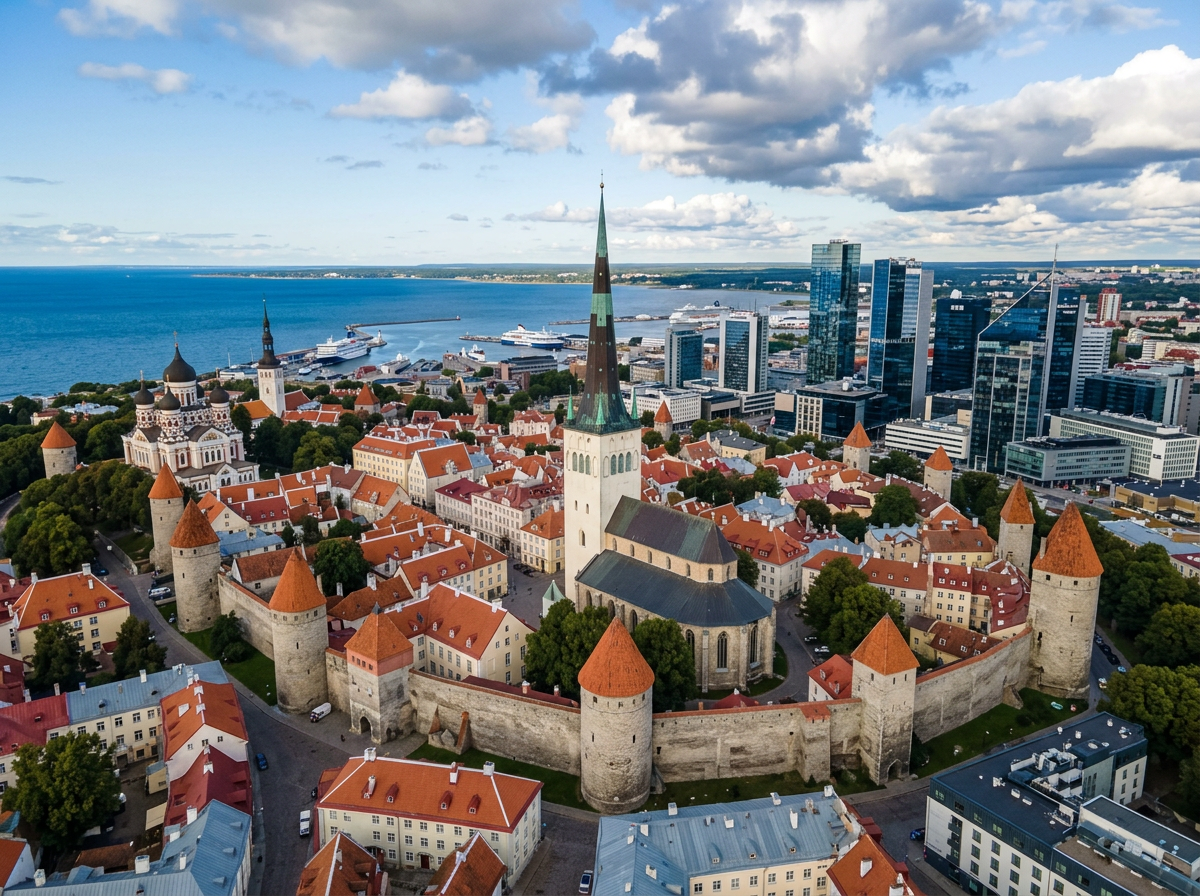
1. Tallinn – Medieval Beauty Meets Modern Europe
Tallinn is the natural starting point for almost every first-time trip to Estonia.
Its remarkably preserved Old Town is a UNESCO World Heritage Site filled with cobbled streets, medieval towers, historic churches and colorful merchant houses.
Walking through the Old Town can feel like stepping into another era, while just outside the medieval walls you’ll discover creative neighborhoods, modern restaurants and contemporary Estonian culture.
Top Things to Do in Tallinn
- Explore Tallinn Old Town
- Visit Town Hall Square
- Walk along St. Catherine’s Passage
- See Alexander Nevsky Cathedral
- Visit Toompea Castle
- Admire the city from Kohtuotsa viewing platform
- Explore Kadriorg Palace and Kadriorg Park
- Discover the creative Telliskivi district
- Walk along Tallinn’s medieval city walls
Don’t Miss: Toompea Hill
Toompea Hill offers some of the most recognizable views of Tallinn. From its viewing platforms, you can see the Old Town’s red rooftops, medieval church towers and modern skyline.
Recommended stay: 2 days
2. Tartu – Estonia’s Cultural and Academic Heart
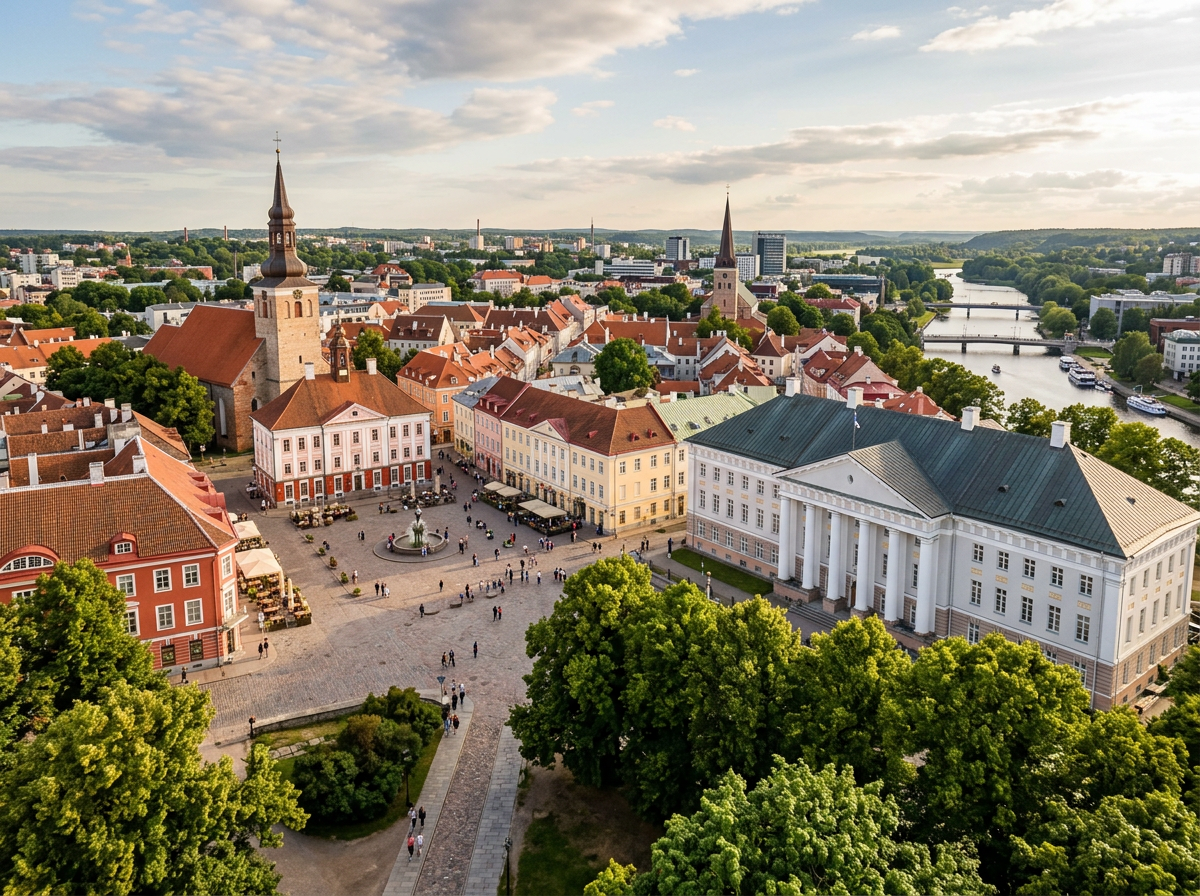
Tartu is Estonia’s second-largest city and home to the historic University of Tartu, founded in 1632.
The city has a youthful and creative atmosphere thanks to its large student population. Compared with Tallinn, Tartu feels smaller, calmer and more relaxed.
Its museums, cafés, street art and cultural institutions make it one of the country’s most interesting destinations.
Things to Do in Tartu
- Walk around Town Hall Square
- See the Kissing Students fountain
- Visit the University of Tartu area
- Explore the Estonian National Museum
- Walk along the Emajõgi River
- Discover Tartu’s street art
- Relax in one of the city’s cafés
Recommended stay: 1 day
3. Lahemaa National Park – Estonia’s Wild Side
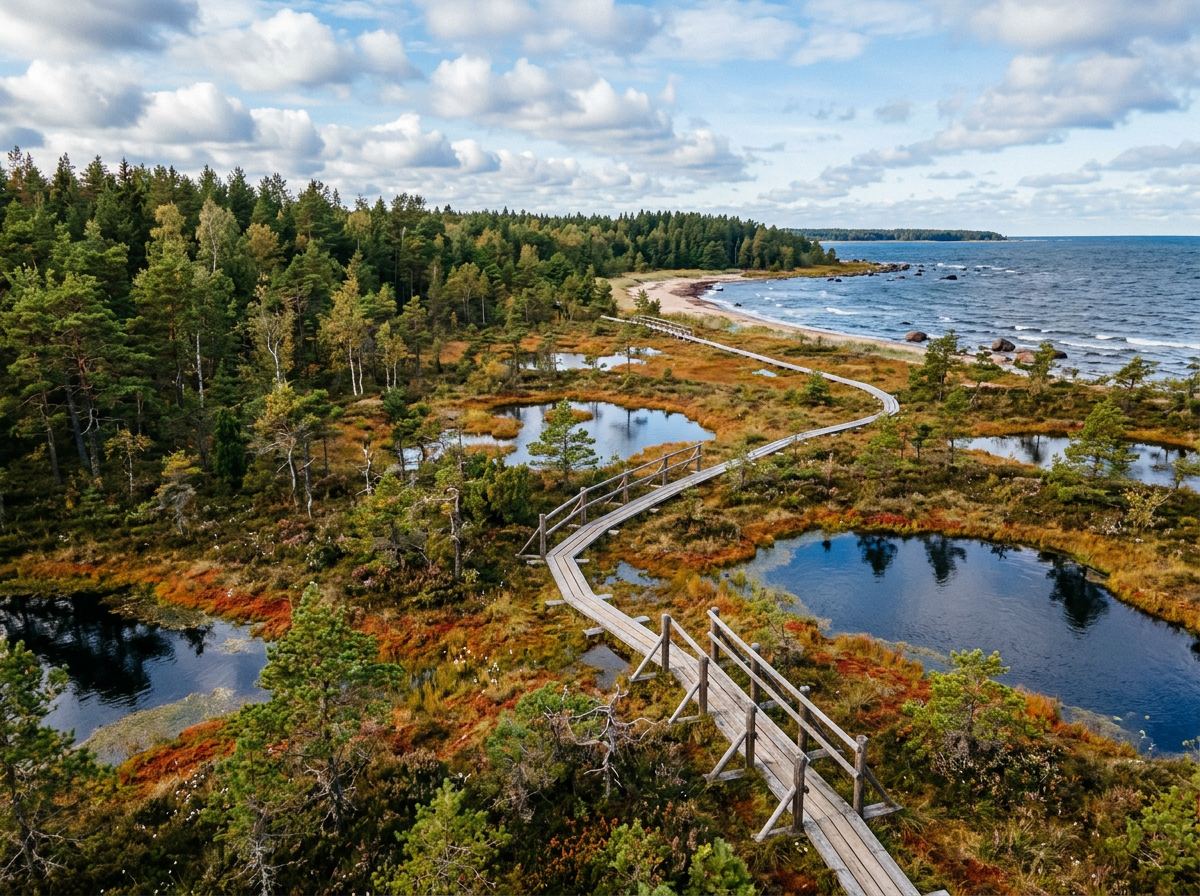
Located east of Tallinn, Lahemaa National Park is one of the best places to experience Estonia’s natural beauty.
The park protects forests, wetlands, coastal landscapes, historic manor houses and traditional villages.
One of its most famous attractions is Viru Bog, where a wooden boardwalk crosses a beautiful landscape of bog pools and wetlands.
Highlights of Lahemaa National Park
- Viru Bog
- Forest hiking trails
- Baltic Sea coastline
- Historic manor houses
- Traditional fishing villages
- Wildlife and birdwatching
Lahemaa is especially convenient for travelers who want to experience Estonian nature without traveling far from Tallinn.
Recommended stay: Half day to 1 day
4. Pärnu – Estonia’s Summer Capital
Pärnu is Estonia’s best-known seaside resort and is often called the country’s summer capital.
During the warmer months, visitors come here for its long sandy beach, cafés, parks, spas and relaxed coastal atmosphere.
Things to Do in Pärnu
- Relax on Pärnu Beach
- Walk along the beach promenade
- Explore the historic center
- Enjoy Estonia’s spa culture
- Visit local cafés and restaurants
- Watch the sunset over the Baltic coast
Pärnu is particularly attractive between June and August.
Recommended stay: 1 day

5. Saaremaa – Castles, Windmills and Island Landscapes
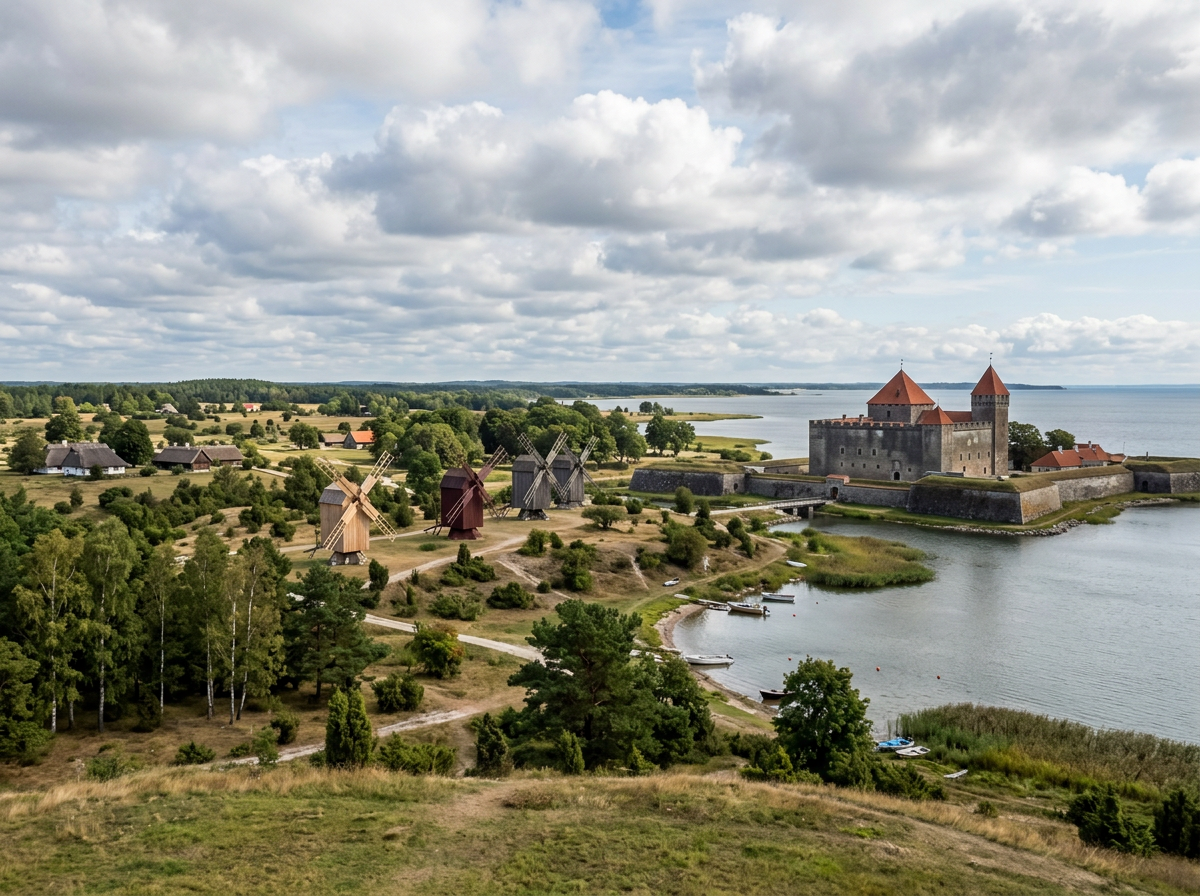
Saaremaa is Estonia’s largest island and one of the country’s most peaceful destinations.
The island is famous for its traditional villages, windmills, forests, coastal landscapes and historic sites.
Its main town, Kuressaare, is home to the impressive Kuressaare Castle.
Top Attractions in Saaremaa
- Kuressaare Castle
- Kuressaare Old Town
- Angla Windmill Hill
- Saaremaa’s coastal landscapes
- Traditional villages
- Kaali meteorite crater
Saaremaa deserves at least one full day, although travelers with more time can easily spend two or three days exploring the island.
Recommended stay: 1–2 days
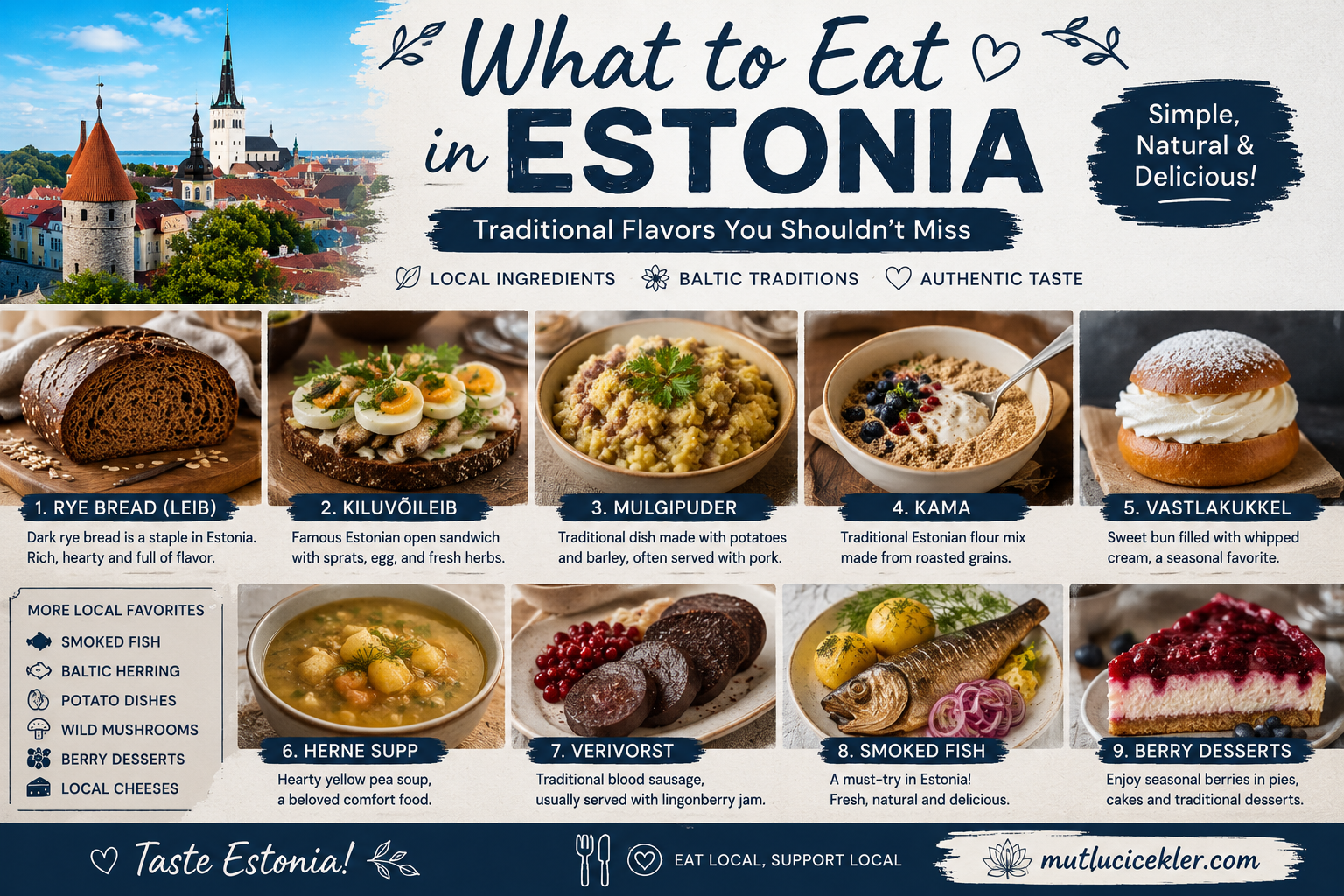
What to Eat in Estonia
Estonian cuisine reflects the country’s northern climate, agricultural traditions and Baltic Sea location.
Potatoes, rye bread, pork, fish, dairy products, berries and seasonal vegetables are common ingredients.
🥖 Rye Bread – Leib
Dark rye bread is one of the staples of Estonian cuisine and is served with many traditional meals.
Fresh Estonian rye bread is dense, slightly sour and incredibly flavorful.
🐟 Kiluvõileib
One of Estonia’s most recognizable snacks is kiluvõileib, an open-faced sandwich traditionally prepared with sprats, dark rye bread and toppings such as egg and herbs.
It is a simple but distinctly Estonian dish worth trying in Tallinn.
🥣 Mulgipuder
Mulgipuder is a traditional dish made primarily from potatoes and barley groats. It is often served with pork or bacon.
The dish has strong roots in southern Estonia.
🍰 Kama
Kama is a traditional Estonian flour mixture usually made from roasted grains and peas.
Today, it is often mixed with yogurt, kefir or other dairy products and served as a dessert or breakfast-style dish.
🍩 Vastlakukkel
Vastlakukkel is a sweet bun traditionally associated with Shrove Tuesday. It is typically filled with whipped cream and remains a popular seasonal Estonian treat.
Other Foods Worth Trying
Look for smoked fish, Baltic herring, local cheeses, berry desserts, seasonal mushrooms and traditional soups during your visit.
Suggested 5-Day Estonia Itinerary
For first-time visitors, this itinerary combines Estonia’s most important historic attractions with nature and regional culture without making the trip unnecessarily rushed.
Day 1 – Discover Tallinn Old Town
Begin your Estonia adventure in Tallinn.
Start at Town Hall Square before exploring the narrow medieval streets surrounding the square.
Continue toward St. Catherine’s Passage and Tallinn’s historic city walls before climbing toward Toompea Hill.
Visit Alexander Nevsky Cathedral and enjoy panoramic views of the city from one of Toompea’s viewpoints.
Evening: Have dinner in or around Tallinn Old Town and take an evening walk through the illuminated medieval streets.
Overnight: Tallinn
Day 2 – Kadriorg & Modern Tallinn
Spend your second day exploring the areas beyond the medieval center.
Begin at Kadriorg Park, one of Tallinn’s most beautiful green spaces. Visit Kadriorg Palace before continuing toward Tallinn’s waterfront.
Later, head to Telliskivi Creative City, where former industrial buildings have been transformed into restaurants, shops, studios and cultural spaces.
If you have extra time, explore the neighboring Kalamaja district.
Overnight: Tallinn
Day 3 – Lahemaa National Park
Leave Tallinn for a nature-focused day trip to Lahemaa National Park.
Walk along the Viru Bog boardwalk and experience Estonia’s distinctive wetland scenery.
Depending on your transportation and available time, combine the bog with one of Lahemaa’s manor houses or coastal villages.
Return to Tallinn in the evening.
Overnight: Tallinn
Day 4 – Tartu
Travel south to Tartu.
Begin around Town Hall Square before exploring the University of Tartu district.
Walk along the Emajõgi River and spend part of the afternoon at the Estonian National Museum, one of the country’s most important cultural institutions.
Tartu’s cafés and restaurants make it a pleasant place to spend the evening.
Overnight: Tartu
Day 5 – Pärnu
Travel from Tartu toward Pärnu for the final day of your Estonia itinerary.
Explore the town center before heading toward Pärnu Beach.
During summer, spend a few hours enjoying the beach and Baltic Sea atmosphere. Outside summer, consider visiting one of Pärnu’s spas or simply enjoy a relaxed walk along the coast.
From Pärnu, continue your journey or return toward Tallinn depending on your travel plans.
What About Saaremaa?
Saaremaa is absolutely worth visiting, but trying to include Tallinn, Lahemaa, Tartu, Pärnu and Saaremaa in only five days can make your trip unnecessarily rushed.
For a five-day first visit, the Tallinn–Lahemaa–Tartu–Pärnu route provides a better balance.
If islands and nature are more important to you than city sightseeing, replace Pärnu and possibly Tartu with 1–2 days in Saaremaa.
Best Time to Visit Estonia
☀️ June to August – Best for Warm Weather
Summer is the most popular season for visiting Estonia.
Days are long, temperatures are generally comfortable and destinations such as Pärnu and Saaremaa are at their liveliest.
This is the best period for:
- Beaches
- Hiking
- Island trips
- Outdoor cafés
- Festivals
- Long sightseeing days
🍂 September to October – Best for Autumn Scenery
Early autumn brings cooler temperatures and colorful forests.
It can be an excellent period for travelers interested in nature, photography and quieter cities.
❄️ December – Best for Christmas Atmosphere
Tallinn becomes especially atmospheric during the Christmas season.
The medieval Old Town combined with Christmas decorations and winter weather creates one of Northern Europe’s most charming seasonal city-break experiences.
🌱 April to May – Best for Fewer Crowds
Spring offers increasingly long daylight hours while visitor numbers generally remain below summer levels.
Getting Around Estonia
Estonia’s relatively compact size makes traveling between major destinations straightforward.
🚆 By Train
Trains are particularly useful for traveling between Tallinn and destinations such as Tartu.
They are comfortable and convenient for travelers who do not want to rent a car.
🚌 By Bus
Estonia has a strong intercity bus network connecting Tallinn with Tartu, Pärnu and many smaller destinations.
For many visitors, buses are one of the easiest ways to explore the country.
🚗 By Car
Renting a car provides much more flexibility when visiting national parks, rural areas and islands.
A car is particularly useful for destinations such as Lahemaa and Saaremaa.
⛴️ By Ferry
Ferries connect mainland Estonia with major islands, including Saaremaa via nearby Muhu.
If you’re planning an island trip, check schedules while organizing your itinerary.
Estonia Travel Tips for First-Time Visitors
💳 Cards Are Widely Used
Estonia has an extremely digital society, and card payments are widely accepted. Still, carrying a small amount of cash can occasionally be useful.
🗣️ English Is Common in Tourist Areas
Visitors will generally find English widely understood in Tallinn and major tourist destinations.
Learning a few Estonian words can still be appreciated.
Hello: Tere
Thank you: Aitäh
Cheers: Terviseks
🌦️ Pack for Changing Weather
Baltic weather can change quickly, even during summer.
A light waterproof jacket and comfortable walking shoes are useful additions to your luggage.
👟 Prepare to Walk
Tallinn Old Town is best explored on foot, and its cobbled streets make comfortable shoes particularly important.
Is Estonia Expensive?
Estonia is generally more affordable than many Nordic destinations, although Tallinn can be noticeably more expensive than smaller Estonian towns.
Your total budget will depend heavily on accommodation, restaurants and transportation.
Budget-conscious travelers can reduce costs by:
- Booking accommodation outside Tallinn Old Town
- Using buses and trains
- Eating lunch away from major tourist streets
- Visiting free viewpoints and parks
- Booking transportation in advance
Why Visit Estonia?
Estonia offers something increasingly difficult to find in Europe: a destination where you can experience a medieval capital, peaceful forests, Baltic beaches and traditional villages within relatively short distances.
Tallinn provides the history and architecture.
Tartu introduces Estonia’s intellectual and cultural side.
Pärnu adds a relaxed coastal atmosphere.
Lahemaa reveals the country’s forests and wetlands.
Saaremaa showcases Estonia’s quieter island life.
Together, they make Estonia an excellent destination for travelers looking for a European trip beyond the continent’s most crowded tourist routes.
Frequently Asked Questions About Estonia
Is Estonia worth visiting?
Yes. Estonia is particularly rewarding for travelers interested in medieval architecture, Baltic culture, forests, islands and less crowded European destinations.
How many days do you need in Estonia?
Around 5 days is enough for a first trip covering Tallinn and several destinations beyond the capital. Seven days or more is preferable if you want to include Saaremaa without rushing.
Is 2 days enough for Tallinn?
Yes. Two full days allow most first-time visitors to explore Tallinn Old Town and see important attractions outside the historic center, including Kadriorg and Telliskivi.
What is Estonia famous for?
Estonia is known for Tallinn’s medieval Old Town, its advanced digital society, forests, bog landscapes, Baltic Sea islands and distinctive Estonian culture.
What food should I try in Estonia?
Start with Estonian rye bread, kiluvõileib, mulgipuder and kama. Fish, potatoes, dairy products and seasonal berries also feature prominently in Estonian cuisine.
What is the best month to visit Estonia?
June through August offers the warmest weather and longest days. May and September are good alternatives for travelers who prefer fewer visitors and cooler temperatures.
Can you visit Estonia without a car?
Yes. Tallinn, Tartu and Pärnu are easily accessible by public transportation. Renting a car becomes more useful when exploring national parks, rural destinations and islands.
Is Tallinn walkable?
Yes. Central Tallinn and the Old Town are highly walkable. Public transportation can be useful for attractions farther from the historic center.
Final Thoughts
Estonia proves that you don’t need weeks to experience dramatically different sides of a country.
In just five days, you can walk beneath Tallinn’s medieval towers, explore Estonia’s wild bog landscapes, experience Tartu’s cultural atmosphere and relax beside the Baltic Sea in Pärnu.
Travelers with additional time can extend their journey to Saaremaa and discover an even quieter side of Estonia filled with castles, windmills and coastal landscapes.
Whether you’re planning a short Baltic city break or combining Estonia with Latvia and Lithuania, this fascinating Northern European country deserves a place on your travel list.
Follow mutlucicekler.com for more travel guides, destination inspiration, local food recommendations and practical travel tips from around the world.











Bir Cevap Yazın