

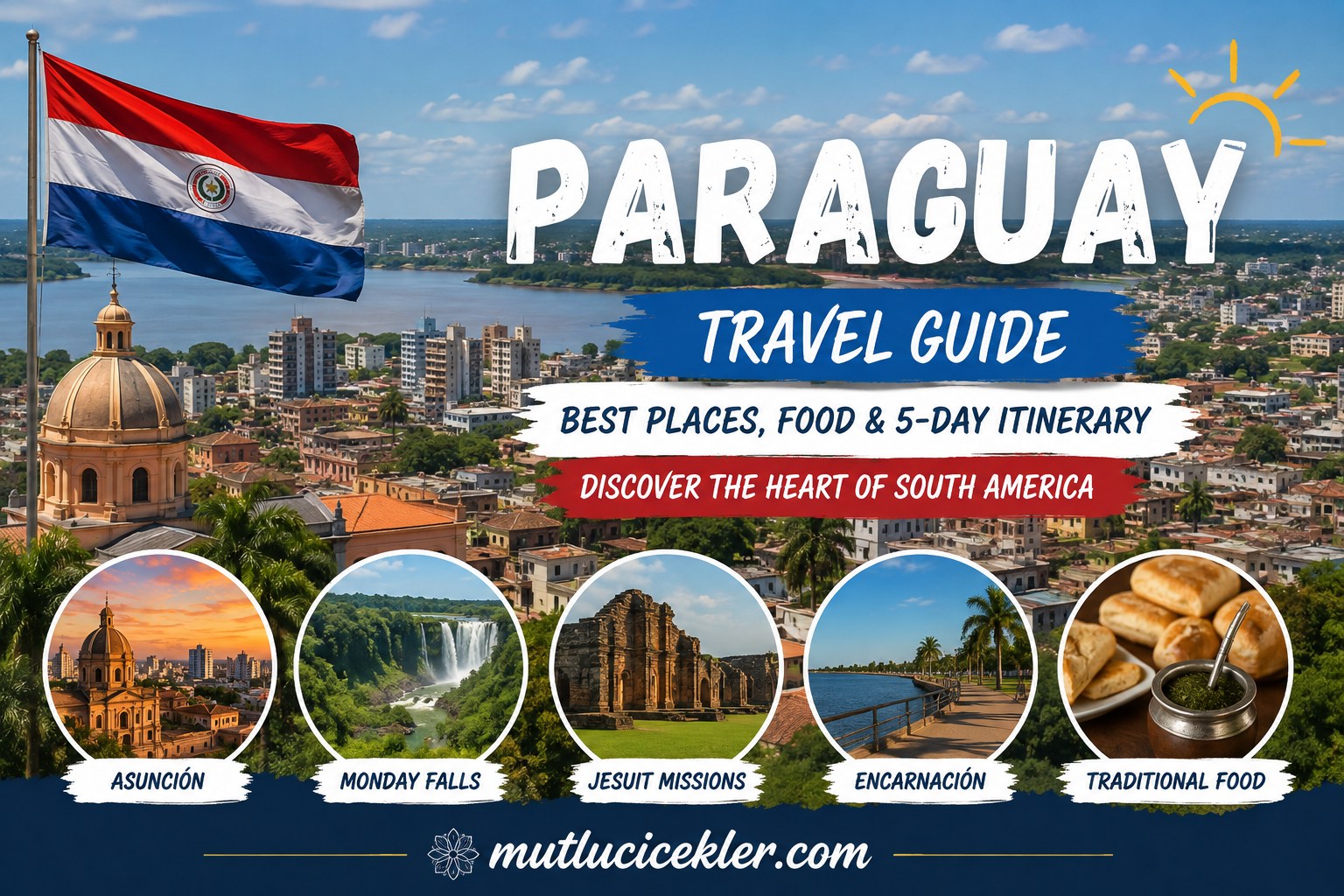
Paraguay is one of South America’s most underrated destinations. Landlocked between Brazil, Argentina, and Bolivia, this fascinating country offers a unique combination of colonial history, indigenous Guaraní culture, impressive natural landscapes, traditional cuisine, and a relaxed atmosphere far removed from the continent’s busiest tourist routes.
While travelers often head directly to neighboring Argentina or Brazil, Paraguay rewards those willing to explore somewhere different. From the historic streets of Asunción to the impressive Monday Falls and the UNESCO-listed Jesuit Missions, there is much more to discover than many first-time visitors expect.
This Paraguay travel guide covers the best places to visit in Paraguay, traditional Paraguayan food, a practical 5-day itinerary, transportation tips, and useful information for planning your trip.
🇵🇾 Quick Facts About Paraguay
- Capital: Asunción
- Continent: South America
- Official Languages: Spanish and Guaraní
- Currency: Paraguayan Guaraní (PYG)
- Population: Around 7 million
- Time Zone: UTC−3
- Neighboring Countries: Argentina, Brazil, and Bolivia
- Major River: Paraguay River
- Best For: Culture, history, nature, local cuisine, and off-the-beaten-path travel
One of the most interesting things about Paraguay is its bilingual identity. Spanish and Guaraní are both official languages, and Guaraní remains an important part of everyday life and national culture.
Best Places to Visit in Paraguay
1. Asunción
Asunción is the capital and largest city of Paraguay and the best starting point for most travelers.
Located along the Paraguay River, the city combines colonial architecture, historic landmarks, government buildings, parks, markets, restaurants, and increasingly modern neighborhoods.
What to See in Asunción
Some of the most interesting places include:
- Palacio de los López
- National Pantheon of the Heroes
- Casa de la Independencia
- Costanera de Asunción
- Metropolitan Cathedral
- Historic city center
- Local markets and traditional restaurants
Walking around central Asunción provides an excellent introduction to Paraguayan history and culture.
The Costanera is particularly pleasant around sunset, when locals gather along the riverfront.
2. Ciudad del Este
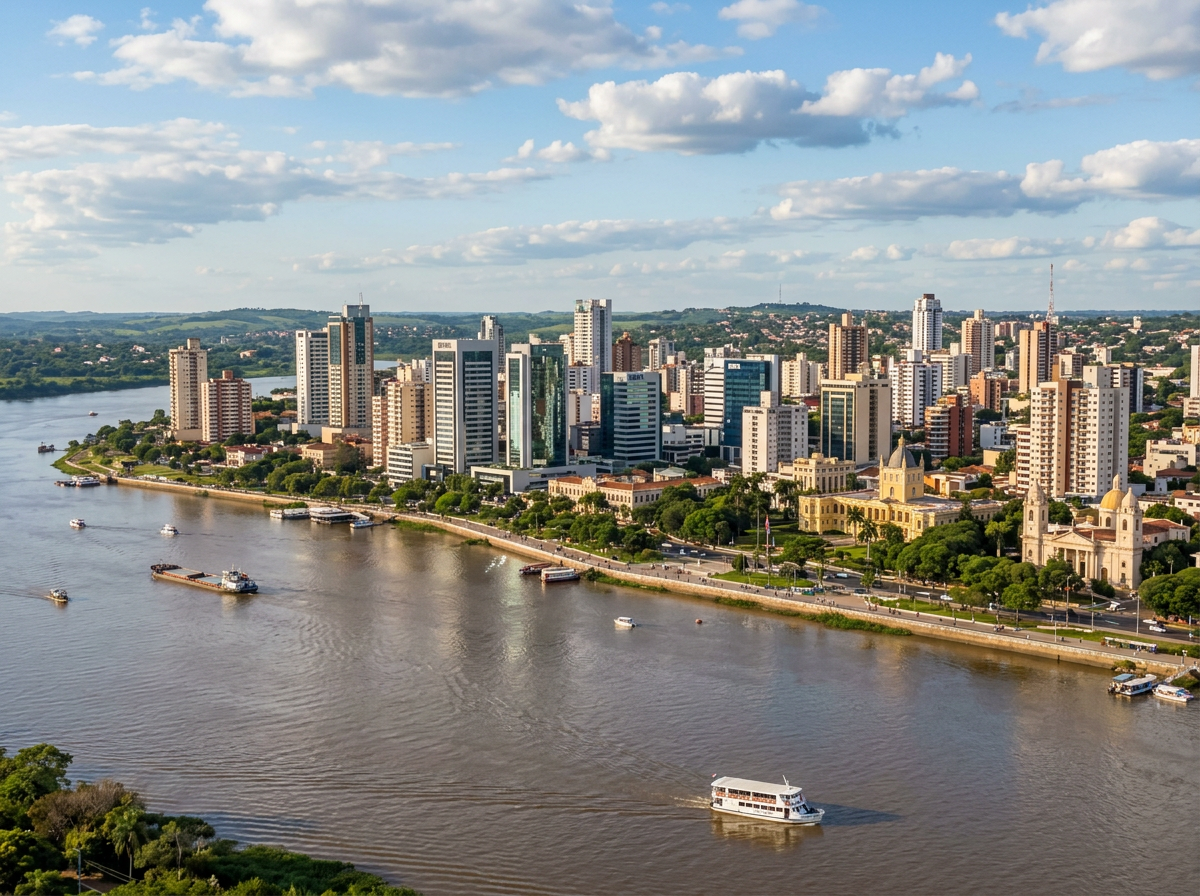
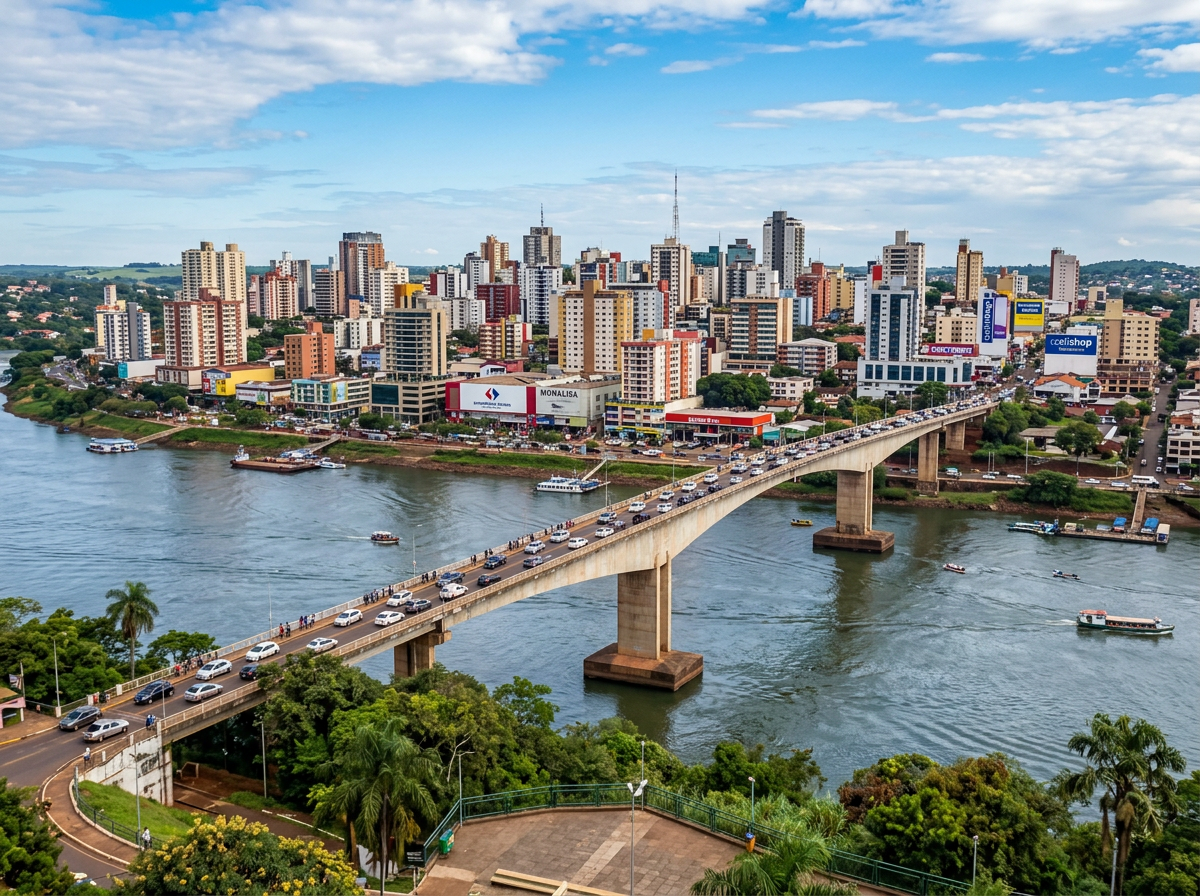
Located close to the borders with Brazil and Argentina, Ciudad del Este is Paraguay’s second-largest city and one of the country’s busiest commercial centers.
The city is part of the famous Triple Frontier region, where Paraguay, Brazil, and Argentina meet.
Ciudad del Este is known for its enormous shopping district, but the surrounding area also offers impressive natural attractions.
The city can also serve as a useful base for travelers exploring eastern Paraguay.
3. Monday Falls – Saltos del Monday
One of Paraguay’s most impressive natural attractions is Saltos del Monday, located near Presidente Franco and Ciudad del Este.
The powerful waterfalls plunge through a lush subtropical landscape, creating one of the country’s most photogenic natural scenes.
Visitors can enjoy viewpoints overlooking the falls and explore the surrounding natural environment.
Although nearby Iguazú Falls receives far more international attention, Monday Falls offers a quieter and distinctly Paraguayan experience.
Travel Tip
Visit during daylight hours and allow enough time to enjoy the viewpoints without rushing.

4. Jesuit Missions of La Santísima Trinidad de Paraná
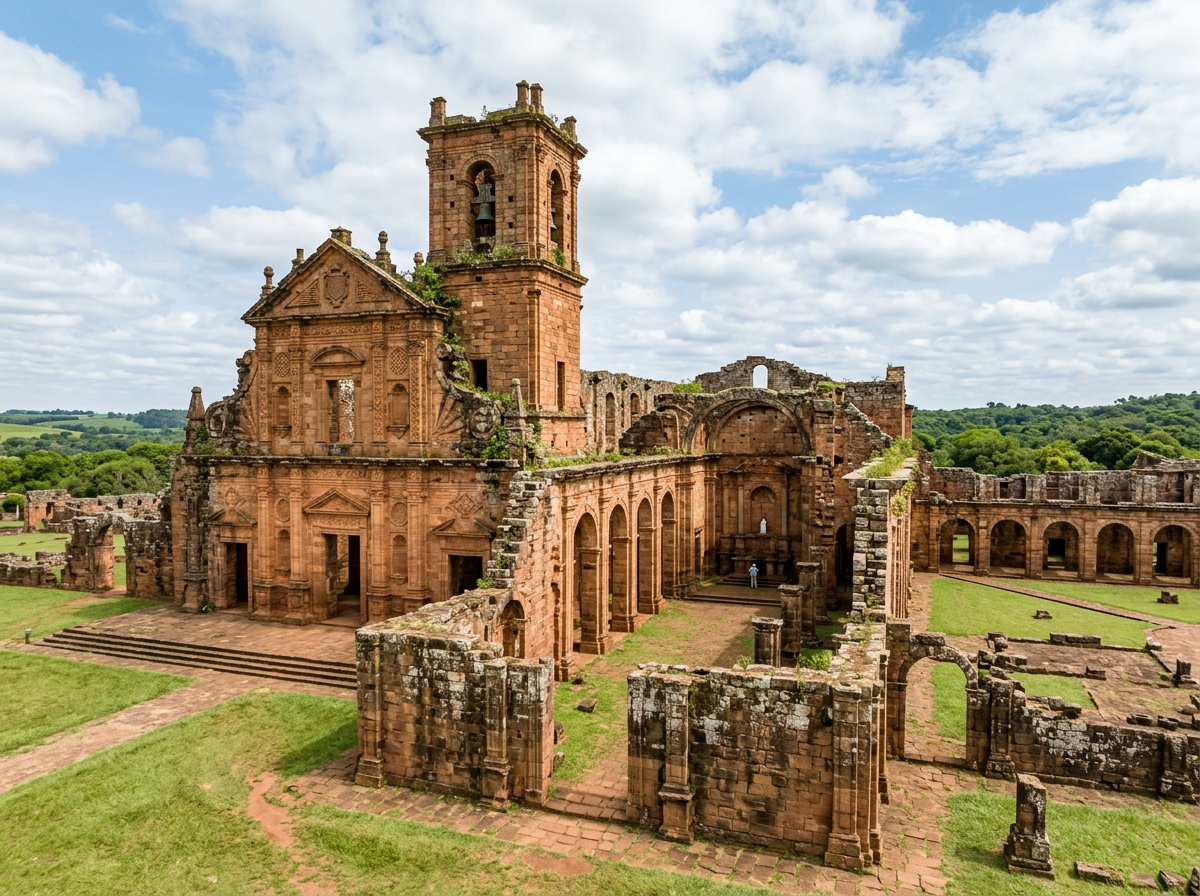
Paraguay played an important role in the history of the Jesuit missions established in South America during the 17th and 18th centuries.
Among the most important sites are the Jesuit Missions of La Santísima Trinidad de Paraná and Jesús de Tavarangue.
The ruins include churches, courtyards, stone structures, and architectural remains that reveal the scale of the former settlements.
The Jesuit Mission of Trinidad is recognized as part of a UNESCO World Heritage Site.
For travelers interested in history, architecture, and cultural heritage, this is one of the most important places to visit in Paraguay.
5. Encarnación
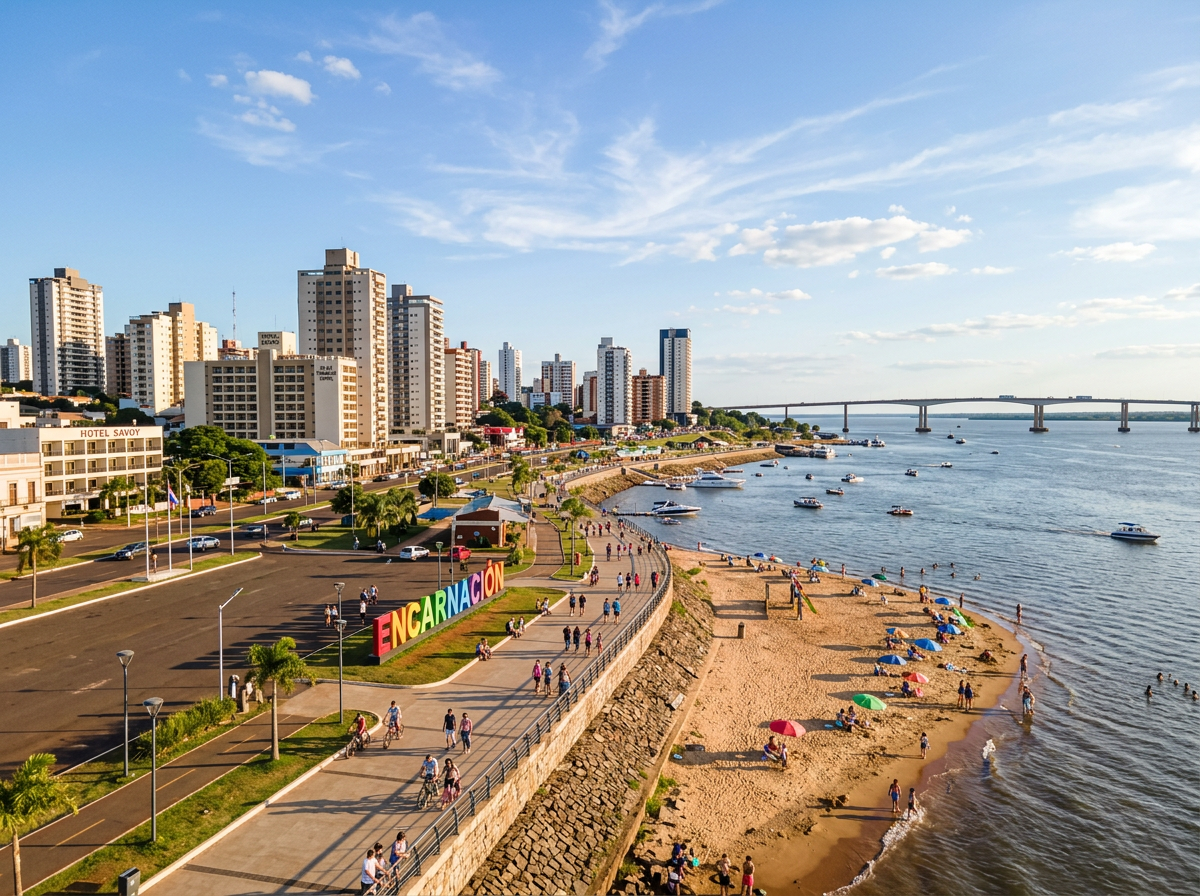
Located along the Paraná River near the Argentine border, Encarnación is one of Paraguay’s most attractive cities.
It is especially known for its waterfront, beaches, relaxed atmosphere, and summer activities.
Things to Do in Encarnación
- Walk along the Costanera
- Relax at San José Beach
- Explore the city center
- Try traditional Paraguayan food
- Take a day trip to the nearby Jesuit Missions
Encarnación is an excellent destination for travelers looking for a slower pace after exploring Asunción and eastern Paraguay.
What to Eat in Paraguay
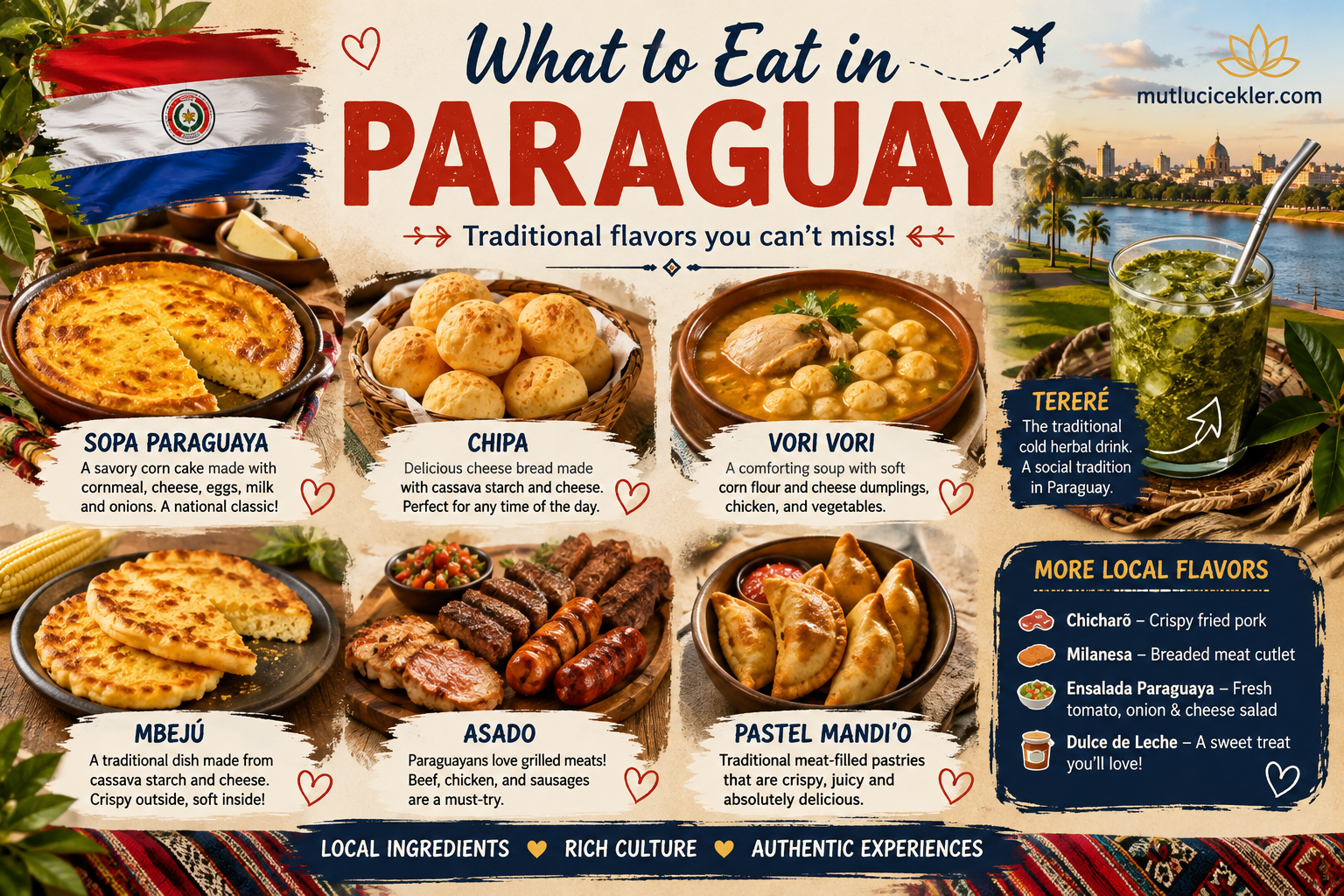
Food is an essential part of Paraguayan culture. Many traditional dishes are based on corn, cassava, cheese, meat, and local ingredients.
Despite its name, sopa paraguaya is not actually a soup!
Here are several Paraguayan foods worth trying.
Sopa Paraguaya
Sopa paraguaya is one of the country’s most famous dishes.
It is a dense, savory corn-based bread traditionally prepared with ingredients such as cornmeal, cheese, onions, eggs, and milk.
It is commonly served alongside meat dishes or during family gatherings.
Chipa
Chipa is one of the most recognizable Paraguayan snacks.
These small cheese breads are traditionally made using cassava starch, cheese, eggs, and other ingredients.
You can find chipa at bakeries, markets, roadside stalls, and street vendors throughout Paraguay.
It is particularly popular for breakfast or as a snack during the day.
Vori Vori
Vori vori is a traditional Paraguayan soup featuring small dumplings generally prepared from corn flour and cheese.
The dumplings are cooked in a flavorful broth, often accompanied by chicken and vegetables.
It is one of the best dishes to try if you want to experience traditional Paraguayan comfort food.
Mbejú
Mbejú is another traditional dish strongly associated with Paraguayan and Guaraní culinary culture.
It is generally prepared using cassava starch and cheese, producing a crispy exterior and pleasantly chewy texture.
It is often eaten for breakfast or as a snack.
Tereré
No Paraguay travel experience would be complete without learning about tereré.
Tereré is a cold herbal drink traditionally prepared with yerba mate and cold water, often with herbs added.
More than simply a beverage, tereré is an important social tradition in Paraguay.
Sharing tereré with friends or family is part of everyday Paraguayan culture.
🌿 Other Places to Visit in Paraguay
Beyond Asunción, Encarnación, Ciudad del Este, Monday Falls, and the Jesuit Missions, Paraguay has many lesser-known destinations worth adding to a longer itinerary. Travelers with extra time can discover peaceful lakes, national parks, historic towns, and remote natural landscapes.
🏞️ Ybycuí National Park
Ybycuí National Park is one of Paraguay’s most beautiful protected natural areas. Located southeast of Asunción, the park is known for its subtropical forest, streams, small waterfalls, and hiking trails.
It is a great choice for travelers who want to escape the cities and experience Paraguay’s natural side.
Things to do:
- Hike through forest trails
- Discover waterfalls and streams
- Enjoy nature photography
- Look for native plants and wildlife
- Visit the historic La Rosada iron foundry area
💦 Lake Ypacaraí
Lake Ypacaraí is one of Paraguay’s best-known lakes and is surrounded by several popular towns.
The area is easily accessible from Asunción, making it suitable for a day trip.
Nearby San Bernardino is especially popular for restaurants, entertainment, and lakeside activities.
Travel Tip: Water quality and swimming conditions at Lake Ypacaraí can vary, so check current local guidance before swimming.
🏘️ Areguá
Located near Lake Ypacaraí, Areguá is a charming town famous for its pottery, ceramics, colonial-style streets, and local crafts.
Visitors can browse artisan shops, explore the historic center, and enjoy views of the surrounding countryside.
Areguá is an excellent destination for travelers interested in Paraguayan arts and traditional crafts.
🌄 Cerro Akatî
Adventure travelers can consider visiting Cerro Akatî, an area known for its green hills and impressive views.
Hiking in this region provides a completely different perspective on Paraguay, with rolling landscapes that contrast with the country’s larger cities.
It is particularly attractive for hiking, landscape photography, and nature enthusiasts.
🌿 Defensores del Chaco National Park
For experienced travelers seeking a more remote adventure, Defensores del Chaco National Park showcases the wild landscapes of Paraguay’s Gran Chaco.
The region is known for its dry forests, wildlife, and vast wilderness.
Because of its remote location and challenging conditions, visiting the Chaco requires considerably more preparation than exploring Paraguay’s main tourist destinations.
Travelers should research current road conditions, weather, access requirements, and local guidance before planning a trip.
🎒 Best Things to Do in Paraguay
Paraguay offers much more than traditional sightseeing. Adding cultural, culinary, and outdoor experiences can make your trip far more memorable.
🧉 Experience Tereré Culture
Drinking tereré is an important part of everyday Paraguayan life.
This cold yerba mate drink is traditionally shared among friends and family, making it as much a social tradition as a refreshing beverage.
Experiencing tereré culture is one of the simplest ways to connect with local Paraguayan traditions.
🍽️ Taste Traditional Paraguayan Cuisine
Food lovers should make time to try local specialties throughout the trip.
Look for:
- Chipa – traditional cheese bread
- Sopa Paraguaya – savory Paraguayan corn bread
- Vori Vori – soup with corn and cheese dumplings
- Mbejú – cassava starch and cheese flatbread
- Pastel Mandi’o – cassava-based pastries
- Asado – grilled meats
Trying these dishes at markets, bakeries, and traditional restaurants provides a delicious introduction to Paraguayan culture.
🏺 Shop for Local Handicrafts
Paraguay has a rich tradition of handmade crafts.
Look for pottery, ceramics, woven products, leather goods, and ñandutí, a delicate Paraguayan lace whose name means “spider web” in Guaraní.
Areguá and local markets are excellent places to search for authentic souvenirs.
🌅 Walk Along the Costaneras
Both Asunción and Encarnación have attractive waterfront areas known as costaneras.
Walking along the riverfront around sunset is a relaxing way to experience local life while enjoying views over the water.
🥾 Go Hiking
Paraguay is often overlooked as a hiking destination, but areas such as Ybycuí and the hills around the Guairá region provide opportunities for outdoor exploration.
Always check trail and weather conditions before heading into less-developed areas.
📸 Photograph Paraguay’s Historic Architecture
Asunción and several smaller towns preserve churches, colonial buildings, historic houses, plazas, and other architectural landmarks.
The Jesuit Missions are particularly impressive for travelers interested in historical and architectural photography.
🎭 Experience Paraguayan Culture
Local festivals, music, dance, crafts, markets, and traditional foods provide opportunities to experience Paraguay beyond its tourist attractions.
If your visit coincides with a local celebration, it can become one of the most memorable parts of your trip.
🌎 Discover a Different Side of South America
Paraguay is ideal for travelers who enjoy destinations beyond the usual tourist routes. From hiking through subtropical forests and discovering waterfalls to drinking tereré, exploring artisan towns, tasting Guaraní-influenced cuisine, and visiting historic missions, the country offers a surprisingly diverse travel experience.
If you have more than five days in Paraguay, consider extending your itinerary beyond the major cities. Some of the country’s most memorable experiences can be found in its smaller towns, natural areas, and local traditions.
5-Day Paraguay Itinerary
If you are visiting Paraguay for the first time, five days can provide a good introduction to the country.
Day 1 – Discover Asunción
Begin your journey in the Paraguayan capital.
Visit the historic center, Casa de la Independencia, the National Pantheon of the Heroes, Palacio de los López, and the Metropolitan Cathedral.
In the evening, walk along the Costanera and try traditional Paraguayan cuisine.
Day 2 – Explore More of Asunción
Spend another day experiencing the capital at a slower pace.
Visit local markets, museums, parks, and neighborhoods outside the historic center.
Try chipa during the day and look for a restaurant serving sopa paraguaya or vori vori.
Day 3 – Ciudad del Este & Monday Falls
Travel east toward Ciudad del Este.
Explore the city’s commercial center before heading to nearby Saltos del Monday.
Spend some time enjoying the waterfalls and surrounding natural scenery.
Stay overnight in Ciudad del Este or continue toward Encarnación depending on your transportation schedule.
Day 4 – Jesuit Missions
Dedicate your fourth day to Paraguay’s historic Jesuit heritage.
Visit La Santísima Trinidad de Paraná and, if time allows, Jesús de Tavarangue.
The ruins provide a fascinating look at an important chapter in South American colonial history.
Continue to Encarnación afterward.
Day 5 – Encarnación
Finish your Paraguay itinerary in Encarnación.
Walk along the waterfront, relax near San José Beach, explore the city center, and enjoy your final Paraguayan meal.
Encarnación’s relaxed atmosphere makes it a pleasant place to end the trip.
Best Time to Visit Paraguay
Paraguay can be visited throughout the year, but weather conditions vary considerably.
The country’s summer months can be extremely hot and humid, particularly between December and February.
For travelers planning extensive sightseeing, the cooler months generally offer more comfortable conditions.
March–May
Temperatures begin to become more comfortable, making this period suitable for city sightseeing and cultural trips.
June–August
Winter brings comparatively cooler weather and can be one of the most pleasant periods for exploring Paraguay.
September–November
Spring can also be a good time to visit, although temperatures gradually increase toward summer.
Always check local weather conditions shortly before traveling, particularly if your itinerary includes outdoor attractions.
How to Get Around Paraguay
Bus
Long-distance buses are an important form of transportation between Paraguayan cities.
Major routes connect destinations such as Asunción, Ciudad del Este, and Encarnación.
For longer journeys, check departure times in advance.
Car
Renting a car can provide greater flexibility, especially if you plan to visit attractions outside major cities.
Driving can be particularly useful for travelers who want to explore smaller towns or rural areas.
Taxi and Ride-Hailing Services
Taxis and app-based transportation options may be available in larger urban areas.
Always check current local availability and transportation conditions during your trip.
Paraguay Travel Tips
Learn a Few Spanish Words
Spanish is widely spoken throughout Paraguay. Knowing basic phrases can make traveling significantly easier.
You may also hear Guaraní frequently during your visit.
Carry Some Local Currency
Cards may be accepted in larger businesses, hotels, and shopping centers, but cash remains useful for small purchases, markets, transportation, and businesses outside major tourist areas.
Prepare for the Heat
Paraguay can become extremely hot, particularly during summer.
Carry water, use sun protection, and avoid unnecessary exposure during the hottest part of the day.
Don’t Rush
Paraguay is best experienced slowly.
Take time to explore local neighborhoods, visit markets, try traditional foods, and observe everyday life rather than treating the country simply as a stop between Brazil and Argentina.
Is Paraguay Worth Visiting?
Yes, especially for travelers looking for a less-touristy South American destination.
Paraguay may not have the international fame of Brazil, Argentina, or Peru, but that is part of its appeal.
Visitors can discover historic cities, UNESCO-listed heritage, waterfalls, river landscapes, Guaraní traditions, and distinctive Paraguayan cuisine without the crowds associated with many of South America’s most famous destinations.
It is particularly appealing to travelers interested in authentic cultural experiences and off-the-beaten-path destinations.
Frequently Asked Questions About Paraguay
What is Paraguay famous for?
Paraguay is known for its Guaraní heritage, yerba mate and tereré culture, Jesuit Missions, traditional foods such as chipa and sopa paraguaya, and its location in the heart of South America.
How many days do you need in Paraguay?
Around 5–7 days is a good starting point for first-time visitors who want to combine Asunción with eastern and southern Paraguay.
Is Asunción worth visiting?
Yes. Asunción provides important historical and cultural context for understanding Paraguay and includes colonial landmarks, museums, markets, riverfront areas, and traditional restaurants.
What food should I try in Paraguay?
Start with sopa paraguaya, chipa, vori vori, mbejú, and tereré.
What language is spoken in Paraguay?
Paraguay has two official languages: Spanish and Guaraní. Both are an important part of Paraguayan identity.
What are the best places to visit in Paraguay?
For a first trip, consider Asunción, Ciudad del Este, Saltos del Monday, the Jesuit Missions, and Encarnación.
Final Thoughts
Paraguay deserves far more attention from international travelers.
Its combination of Guaraní culture, colonial history, traditional cuisine, impressive waterfalls, historic Jesuit Missions, and relaxed cities makes it a fascinating alternative to South America’s more heavily visited destinations.
Start your journey in Asunción, experience the power of Monday Falls, discover the country’s UNESCO-listed Jesuit heritage, taste chipa and vori vori, and finish your adventure along the waterfront in Encarnación.
For travelers who enjoy discovering places beyond the usual tourist trail, Paraguay might become one of the biggest surprises in South America.
Follow mutlucicekler.com for more travel guides, traditional foods, hidden destinations, and travel inspiration from around the world.


Bir yanıt yazın