

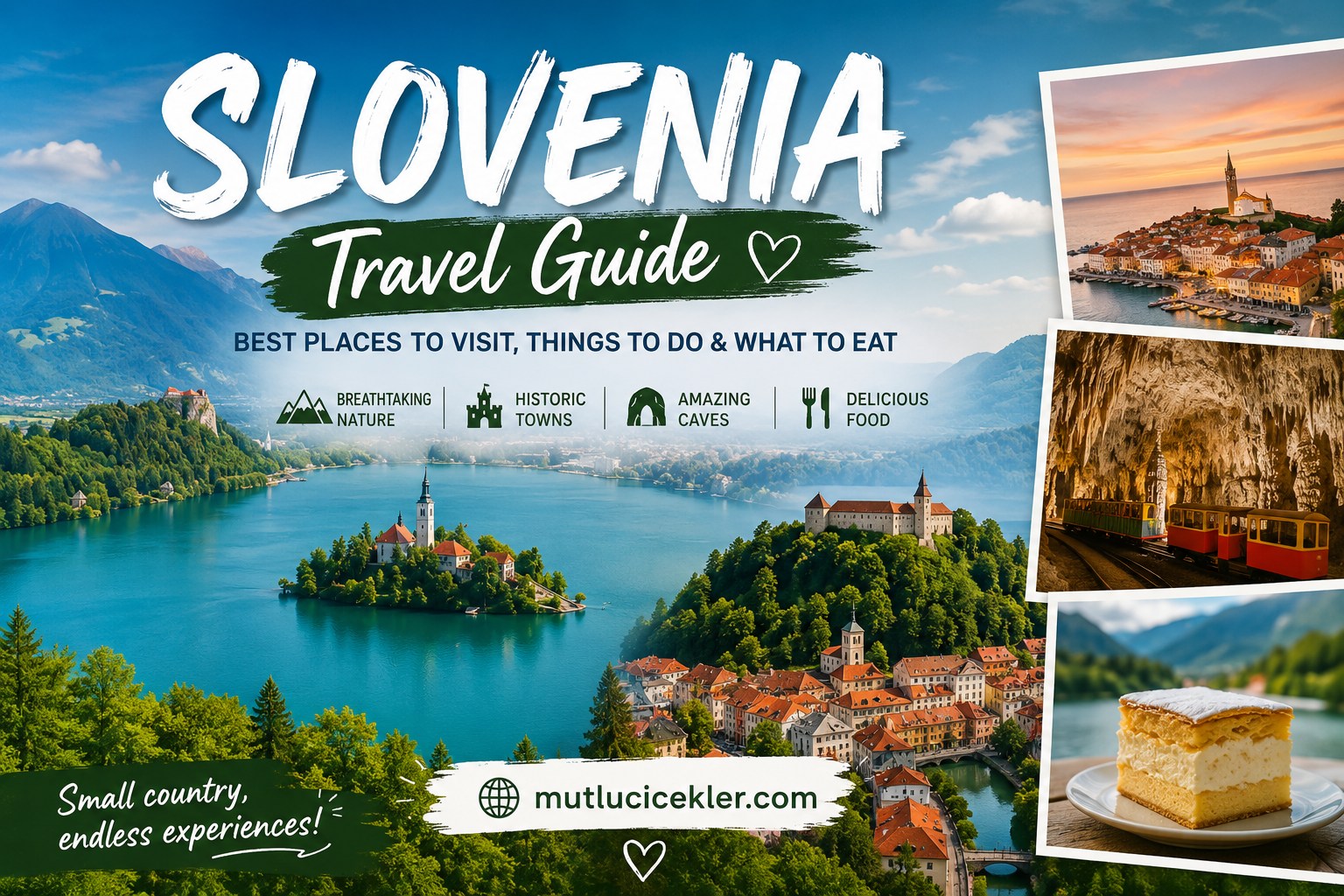
Slovenia may be one of Europe’s smaller countries, but it offers an impressive mix of Alpine landscapes, turquoise rivers, medieval towns, mysterious caves, charming cities, and Adriatic coastline.
Located in Central Europe between Italy, Austria, Hungary, and Croatia, Slovenia is an excellent destination for travelers who want to combine nature, culture, outdoor adventures, and traditional cuisine in a single trip.
From the postcard-perfect scenery of Lake Bled to the lively streets of Ljubljana and the underground wonders of Postojna Cave, Slovenia offers plenty to discover without requiring long journeys between destinations.
This Slovenia travel guide covers the best places to visit in Slovenia, traditional Slovenian foods, things to do, a suggested 5-day itinerary, transportation tips, and useful information for first-time visitors.
🇸🇮 Quick Facts About Slovenia
- Capital: Ljubljana
- Official language: Slovenian
- Currency: Euro (€)
- Region: Central Europe
- Population: Around 2.1 million
- Time zone: Central European Time (CET)
- Best time to visit: May–September for sightseeing and nature; December–March for winter activities
- Famous for: Lake Bled, Julian Alps, caves, medieval towns, green landscapes and outdoor adventures
Slovenia is particularly attractive for travelers who enjoy exploring several different landscapes during one vacation. Mountains, lakes, forests, caves, vineyards and the Adriatic coast are all within relatively short distances.
Best Places to Visit in Slovenia
1. Ljubljana
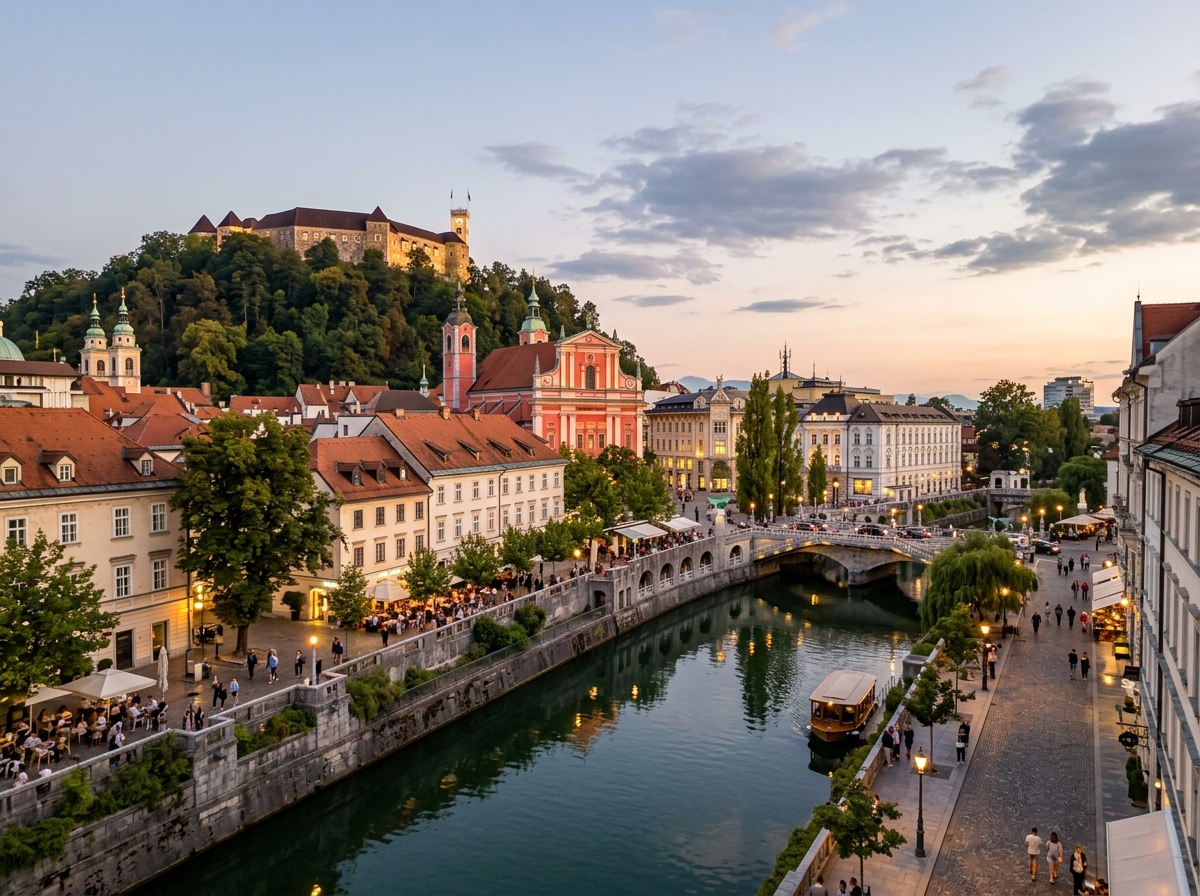
Slovenia’s capital, Ljubljana, is compact, walkable and full of character.
The Ljubljanica River flows through the historic center, where colorful buildings, riverside cafés and pedestrian streets create a relaxed atmosphere.
One of the city’s most recognizable landmarks is Ljubljana Castle, which stands on a hill overlooking the capital. Visitors can walk to the castle or take the funicular.
Other places worth seeing include:
- Prešeren Square
- Triple Bridge
- Dragon Bridge
- Central Market
- Ljubljana Cathedral
- Tivoli Park
- Ljubljana Castle
The riverside area is particularly enjoyable in the evening, when restaurants and cafés fill with visitors.
Best for: Architecture, history, cafés and city walks
2. Lake Bled
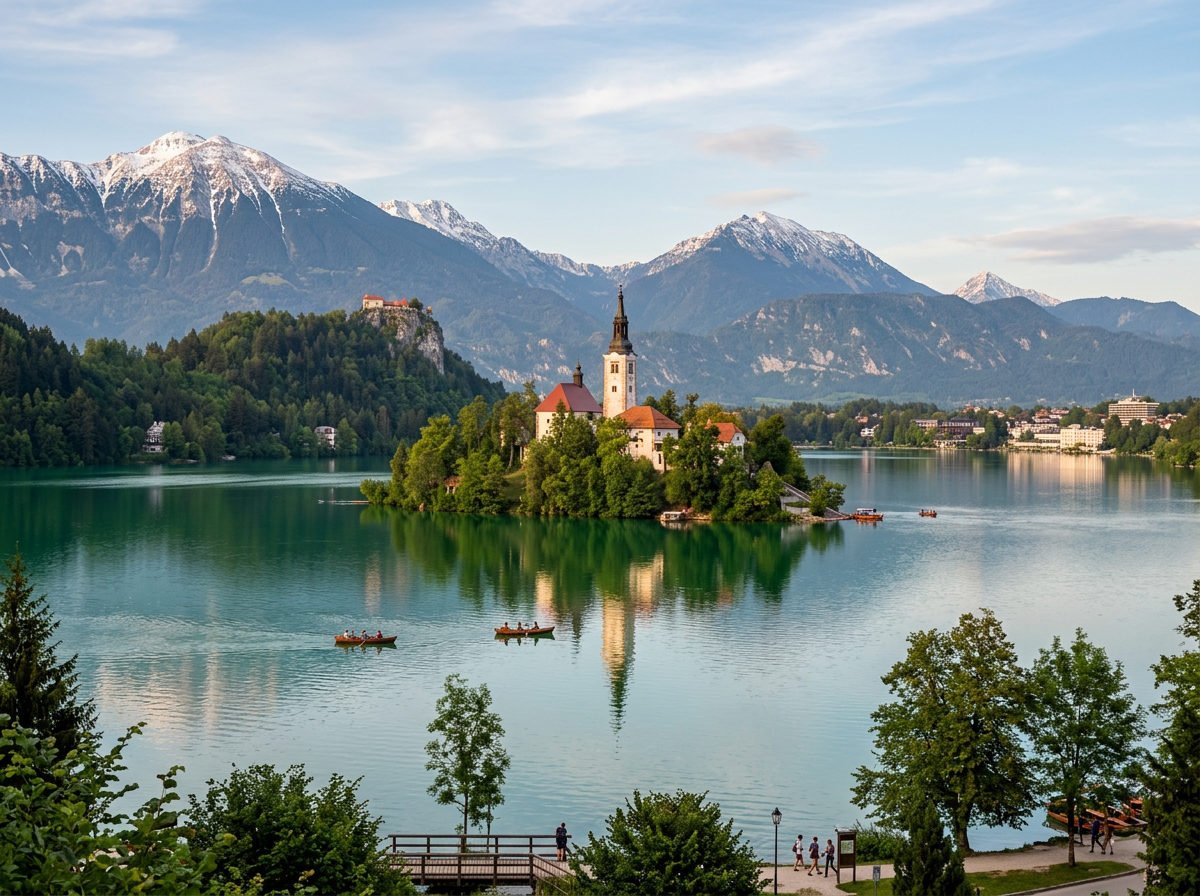
Surrounded by mountains and forests, Lake Bled is Slovenia’s most iconic destination.
At the center of the lake sits tiny Bled Island, famous for its picturesque church. Traditional wooden pletna boats carry visitors across the water.
Above the lake, Bled Castle occupies a dramatic cliff and offers panoramic views across the surrounding landscape.
Visitors can also walk around the lake, which is one of the easiest ways to enjoy its changing scenery.
While visiting Bled, do not miss the famous Bled cream cake, known locally as kremna rezina.
Popular activities include:
- Walking around Lake Bled
- Visiting Bled Castle
- Taking a pletna boat to Bled Island
- Hiking to viewpoints above the lake
- Trying Bled cream cake
Best for: Photography, romantic trips, nature and scenic walks
3. Lake Bohinj & Triglav National Park
Travelers who want a quieter Alpine experience should continue to Lake Bohinj, located within the spectacular surroundings of Triglav National Park.
Bohinj is Slovenia’s largest permanent natural lake and is surrounded by mountains, forests and hiking routes.
The area feels considerably more peaceful and natural than many popular European lake destinations.
During warmer months, visitors can enjoy hiking, kayaking, swimming and cycling.
Nearby attractions include Savica Waterfall and the Vogel mountain area, which provides impressive views over the Julian Alps.
Triglav National Park is named after Mount Triglav, Slovenia’s highest mountain and an important national symbol.
Best for: Hiking, kayaking, mountain scenery and outdoor adventures

4. Postojna Cave & Predjama Castle
Slovenia is famous for its extraordinary underground landscapes.
Postojna Cave is one of the country’s most famous natural attractions and features enormous chambers, tunnels, stalactites and stalagmites formed over millions of years.
Part of the visitor experience includes an underground train ride followed by a walking route through sections of the cave.
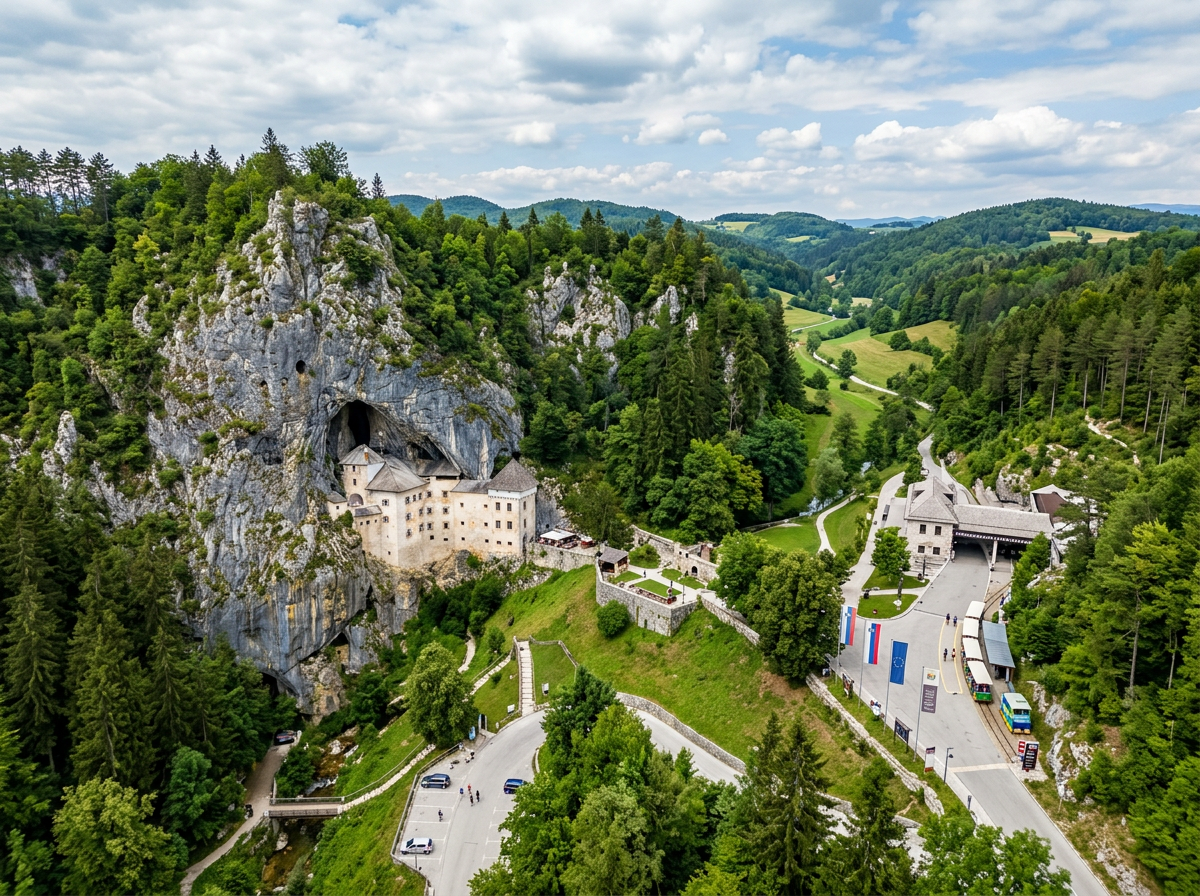
Another fascinating attraction nearby is Predjama Castle.
Built directly into the mouth of a dramatic cliffside cave, the castle looks almost like part of the rock itself.
Its unusual location and medieval history make it one of Slovenia’s most memorable landmarks.
Combining Postojna Cave and Predjama Castle makes an excellent day trip.
Best for: Natural wonders, history, families and photography
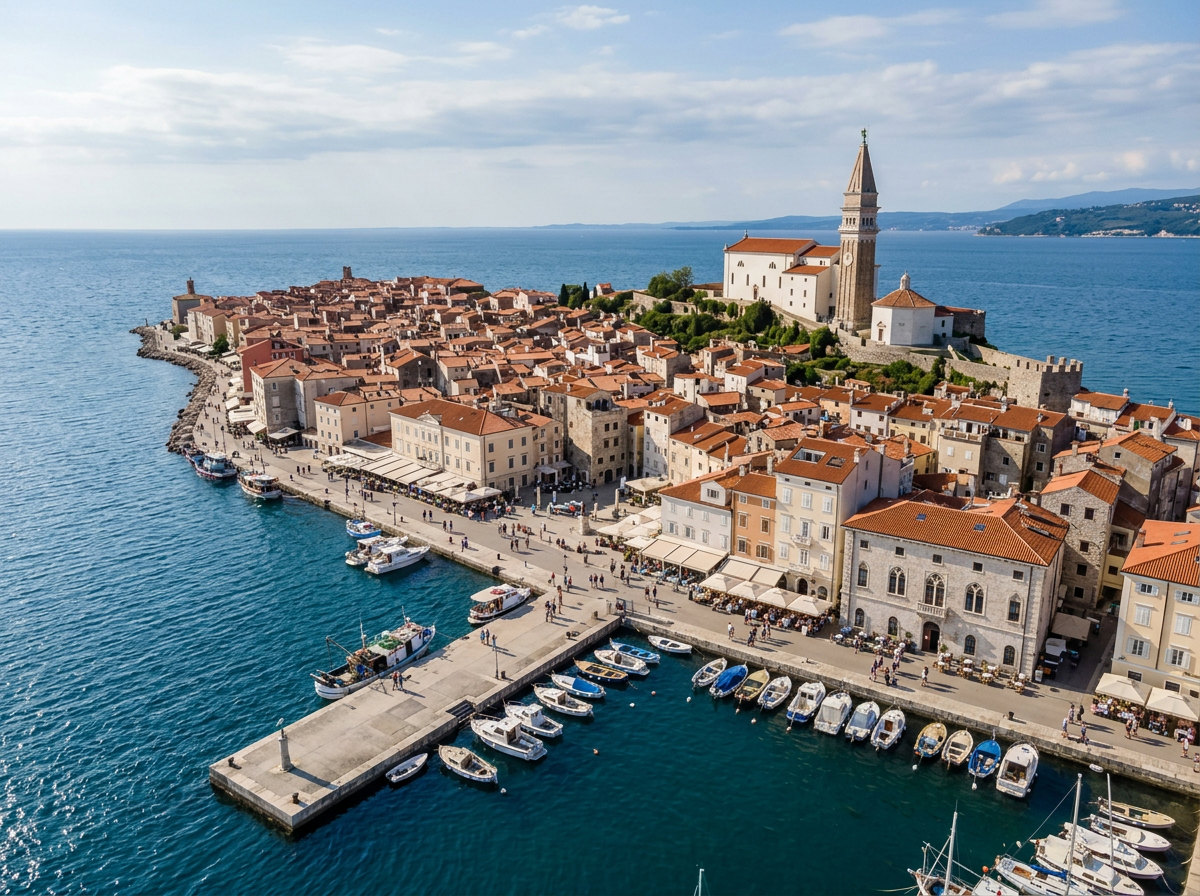
5. Piran
Slovenia has only a short stretch of Adriatic coastline, but the historic town of Piran makes it well worth visiting.
Influenced by centuries of Venetian history, Piran features narrow streets, colorful buildings, seaside promenades and elegant squares.
The heart of the town is Tartini Square, surrounded by historic architecture and cafés.
For beautiful views, walk toward St. George’s Parish Church and the old city walls.
Watching the sunset over the Adriatic is one of the best ways to end a day in Piran.
Fresh seafood is also a highlight of the Slovenian coast.
Best for: Seaside walks, architecture, seafood and sunsets
Other Places Worth Visiting in Slovenia
If you have more time, Slovenia offers many destinations beyond the classic route.
Škocjan Caves
A UNESCO World Heritage Site known for its enormous underground canyon and dramatic cave system.
Soča Valley
Famous for the striking emerald-green Soča River, this region is ideal for rafting, kayaking, hiking and photography.
Kranjska Gora
A popular Alpine resort surrounded by spectacular mountain scenery. It is particularly famous for skiing during winter and hiking during summer.
Maribor
Slovenia’s second-largest city is known for its historic center and wine culture. The city is also associated with one of the world’s oldest known grapevines.
Velika Planina
A scenic mountain plateau known for traditional shepherd settlements, wooden huts and Alpine landscapes.
Things to Do in Slovenia
Slovenia is particularly rewarding for travelers who prefer active vacations.
Some of the best experiences include:
- Take a boat ride across Lake Bled
- Explore Ljubljana’s historic center
- Visit Ljubljana Castle
- Hike in Triglav National Park
- Swim or kayak at Lake Bohinj
- Discover the underground world of Postojna Cave
- Visit cliffside Predjama Castle
- Go rafting on the Soča River
- Walk through the streets of Piran
- Explore Slovenian vineyards
- Cycle through countryside routes
- Visit traditional Alpine villages
- Try local dishes and Slovenian desserts
- Ski in the Julian Alps during winter
Slovenia’s relatively compact size means travelers can combine several of these activities within the same trip.
What to Eat in Slovenia
Slovenian cuisine reflects the country’s position between the Alps, Mediterranean, Balkans and Central Europe.
Recipes vary considerably by region, making food an interesting part of traveling around the country.
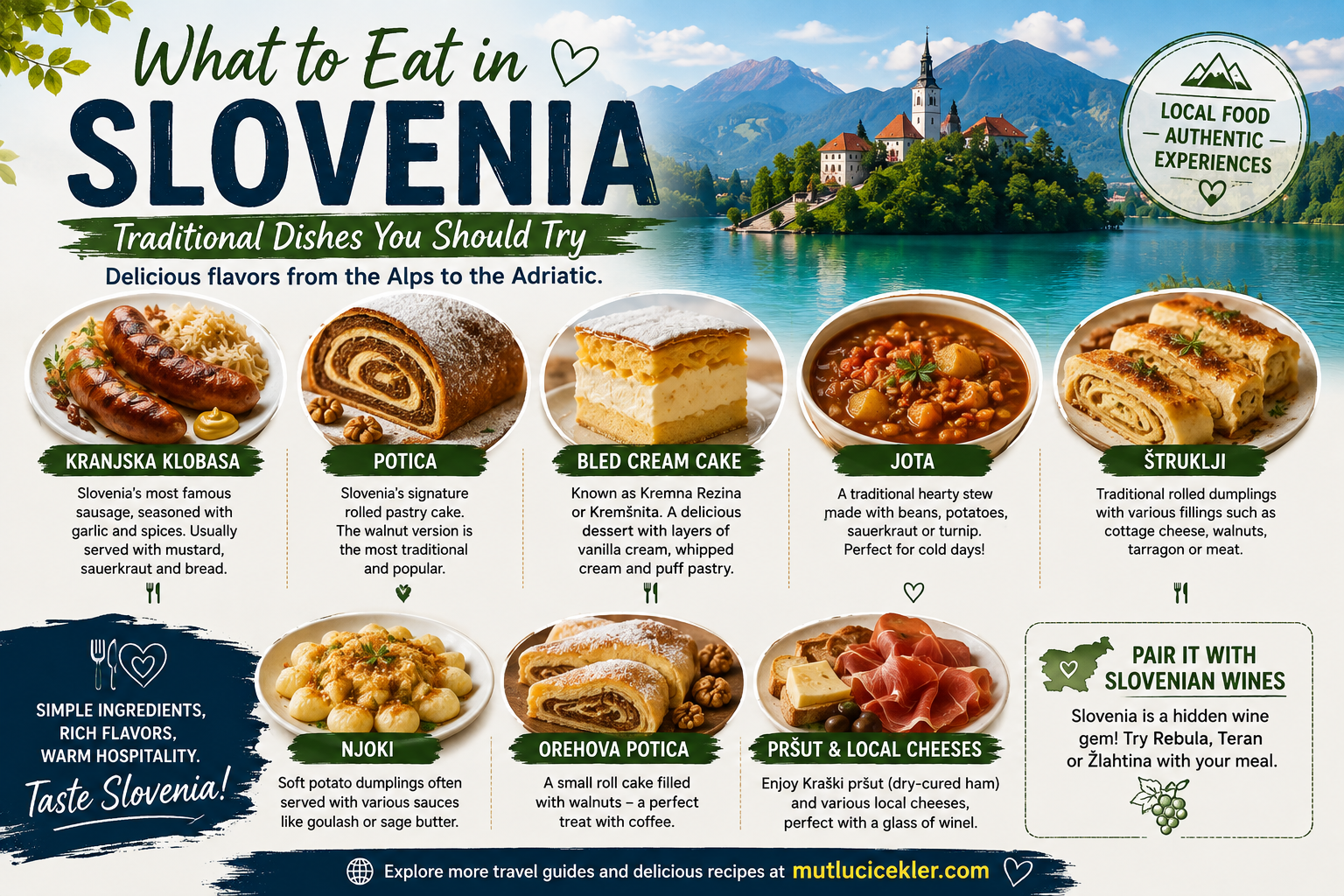
🥟 Kranjska Klobasa
One of Slovenia’s best-known traditional foods, Kranjska klobasa is a Carniolan sausage traditionally prepared from pork and seasoned with garlic and pepper.
It is often served with mustard, bread or sauerkraut.
🍰 Potica
Potica is one of Slovenia’s most famous traditional desserts.
This rolled pastry can contain several fillings, although walnut is among the most traditional and popular versions.
Potica is commonly prepared for holidays, celebrations and family gatherings.
🍰 Bled Cream Cake
Known as kremna rezina or kremšnita, this dessert is closely associated with Lake Bled.
It consists of layers of puff pastry, vanilla custard and whipped cream.
Trying a slice while overlooking Lake Bled is practically part of the Bled experience.
🥣 Jota
Jota is a hearty Slovenian stew traditionally prepared with ingredients such as beans, potatoes and sauerkraut or sour turnip.
It is especially satisfying during colder months.
🥟 Štruklji
Štruklji are traditional Slovenian rolled dumplings that can be prepared with many different fillings.
Depending on the recipe, they may be sweet or savory and can contain ingredients such as cottage cheese, walnuts or herbs.
Suggested 5-Day Slovenia Itinerary
Day 1 – Ljubljana
Start your journey in the Slovenian capital.
Explore:
- Prešeren Square
- Triple Bridge
- Ljubljana Central Market
- Dragon Bridge
- Ljubljana Castle
- Ljubljanica River
Spend the evening at one of the riverside cafés or restaurants.
Day 2 – Lake Bled
Travel to Lake Bled and dedicate the day to Slovenia’s most famous landscape.
Visit Bled Castle, walk around the lake and take a traditional boat to Bled Island.
Finish the day with a slice of Bled cream cake.
Day 3 – Lake Bohinj & Triglav National Park
Continue deeper into the Julian Alps.
Spend the day exploring Lake Bohinj and the surrounding natural landscapes.
Depending on the season, you can hike, cycle, kayak or visit Savica Waterfall.
Day 4 – Postojna Cave & Predjama Castle
Travel south to explore two of Slovenia’s most impressive attractions.
Begin with Postojna Cave before continuing to nearby Predjama Castle.
The combination of underground landscapes and medieval architecture makes this one of the most unusual days of the trip.
Day 5 – Piran
Finish your Slovenia itinerary on the Adriatic coast.
Explore Tartini Square, wander through Piran’s narrow streets and walk to the higher parts of town for panoramic views.
Enjoy seafood near the waterfront and watch the sunset over the Adriatic.
Best Time to Visit Slovenia
The best time to visit depends on the type of trip you are planning.
Spring – April to June
Spring brings green landscapes, comfortable temperatures and generally fewer visitors than peak summer.
It is an excellent period for sightseeing and hiking.
Summer – July to August
Summer is ideal for lakes, mountains, outdoor activities and the Slovenian coast.
However, popular destinations such as Lake Bled can become busy.
Autumn – September to October
Autumn is particularly beautiful in Slovenia.
Forests change color, temperatures remain pleasant and wine regions become especially attractive during harvest season.
Winter – December to March
Winter transforms Slovenia’s Alpine regions into snowy destinations.
Ski resorts around areas such as Kranjska Gora become popular, while Ljubljana’s festive atmosphere makes it appealing for a winter city break.
How to Get Around Slovenia
Slovenia’s compact geography makes traveling around the country relatively straightforward.
By Car
Renting a car provides the greatest flexibility, especially if you plan to explore mountains, lakes, small villages and rural areas.
By Bus
Buses connect Ljubljana with many popular destinations and can be practical for travelers who do not want to drive.
By Train
Slovenia has a useful railway network connecting major cities and some neighboring European countries.
However, trains may not always be the most convenient option for remote natural attractions.
Practical Slovenia Travel Tips
Slovenia is generally an easy destination for independent travelers.
English is commonly spoken in tourist areas, particularly among younger people and those working in hospitality.
The country uses the euro, and card payments are widely accepted, although carrying some cash can still be useful in smaller establishments or rural locations.
Comfortable walking shoes are recommended because many historic centers have cobbled streets and several major attractions involve walking or hiking.
If you plan to explore caves, remember that underground temperatures can be considerably cooler than outside, even during summer.
For Alpine hiking, always check weather conditions before starting your route because mountain weather can change quickly.
Slovenia Travel FAQ
Is Slovenia worth visiting?
Yes. Slovenia combines Alpine landscapes, historic cities, caves, lakes, outdoor activities and a small Adriatic coastline within a relatively compact area.
How many days do you need in Slovenia?
Around 5 to 7 days is a good amount of time for a first visit. A five-day trip can cover Ljubljana, Bled, Bohinj, Postojna and Piran, while a longer trip allows time for the Soča Valley and other Alpine destinations.
What is Slovenia famous for?
Slovenia is particularly famous for Lake Bled, Ljubljana, Triglav National Park, Postojna Cave, Predjama Castle, the Soča River and its green landscapes.
Is Slovenia expensive?
Travel costs vary by season and destination. Ljubljana and Lake Bled can be more expensive during peak periods, while smaller towns and less touristy regions may offer better value.
What food should I try in Slovenia?
Popular choices include Kranjska klobasa, potica, štruklji, jota and Bled cream cake.
Can you visit Slovenia without a car?
Yes. Ljubljana and several major tourist destinations can be reached using public transportation. However, renting a car provides greater flexibility for exploring rural and mountain regions.
Is Lake Bled a day trip from Ljubljana?
Yes. Lake Bled is close enough to Ljubljana to make it one of the most popular day trips from the capital.
Conclusion
Slovenia is a destination where travelers can experience historic cities, Alpine lakes, dramatic mountains, underground caves and the Adriatic coast within a surprisingly small area.
Start with Ljubljana’s riverside streets, experience the unforgettable scenery of Lake Bled, explore the wilderness around Lake Bohinj, venture underground at Postojna Cave and finish your journey beside the sea in Piran.
Whether you are interested in hiking, photography, history, food or simply discovering one of Central Europe’s most beautiful destinations, Slovenia deserves a place on your travel list.
For more travel guides, destination ideas and traditional food discoveries, follow mutlucicekler.com.


Bir yanıt yazın