
Cockatiels should not live on sunflower seeds, millet or seed mixes alone.
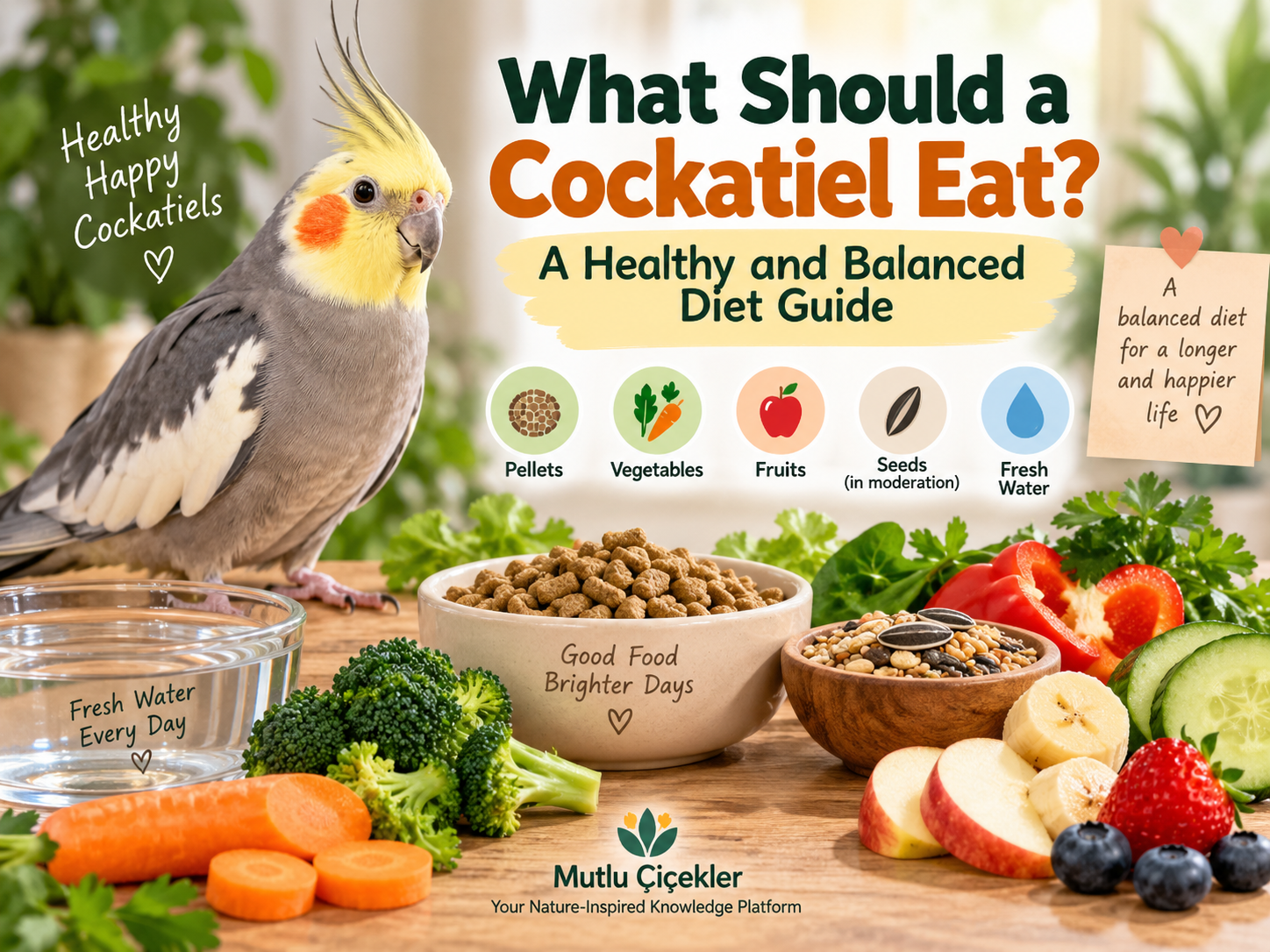
A healthy pet cockatiel needs a balanced main diet, fresh vegetables, limited amounts of fruit and seeds, and clean drinking water at all times.
This is especially important for cockatiels because they can be vulnerable to nutrition-related problems including vitamin A deficiency, inadequate calcium intake and egg-binding in females. Veterinary guidance therefore recommends a varied and nutritionally balanced diet rather than relying on seeds as the main food.
What Should a Cockatiel’s Main Diet Be?
Current veterinary guidance recommends a nutritionally complete pellet formulated for parrots as the foundation of a pet cockatiel’s diet.
VCA Animal Hospitals recommends that pellets make up approximately 75–80% of the diet. RSPCA guidance also recommends pellets, fresh vegetables and fruit for small parrots such as cockatiels, while limiting seeds to a relatively small part of the overall diet.
The exact diet may vary depending on your bird’s:
- Age
- Weight
- Activity level
- Health
- Reproductive status
- Current feeding habits
The most important principle is simple:
A cockatiel should not be fed an all-seed diet.
Are Seeds Bad for Cockatiels?
Seeds are not automatically unhealthy.
The problem begins when seeds become most or all of the diet.
Cockatiels naturally enjoy seeds and may selectively eat only their favorite varieties from a commercial mix. Sunflower seeds and millet are particularly appealing, but seed-heavy diets can be high in fat and carbohydrates while providing an incomplete balance of vitamins, minerals and protein.
Seeds are therefore better treated as a limited part of a balanced diet, rather than the main food.
Can Cockatiels Eat Sunflower Seeds?
Yes, but sunflower seeds should be limited.
Many cockatiels love sunflower seeds, which makes them useful as occasional treats or training rewards. However, they are relatively high in fat and should not become the bird’s staple food.
A cockatiel that has constant access to sunflower seeds may choose them over more nutritionally balanced foods.
Think of sunflower seeds as a treat, not a complete meal.
What Vegetables Can Cockatiels Eat?
Fresh vegetables are an important part of a varied cockatiel diet.
Suitable choices can include:
- Broccoli
- Carrots
- Red and yellow bell peppers
- Pumpkin
- Sweet potato
- Zucchini
- Peas
- Cucumber
- Kale
- Other safe leafy greens
Colorful vegetables such as carrots, pumpkin, sweet potato and red peppers are particularly useful because cockatiels can be vulnerable to vitamin A deficiency.
Wash fresh produce thoroughly before serving and cut it into pieces appropriate for your bird.
Avoid relying heavily on very watery vegetables with little nutritional value, such as iceberg lettuce.
Can Cockatiels Eat Fruit?
Yes, but fruit should be offered in smaller amounts than vegetables.
Suitable options can include:
- Apple
- Pear
- Banana
- Blueberries
- Strawberries
- Kiwi
- Mango
- Melon
- Pomegranate
Fruit contains natural sugars, so it should add variety rather than form a major part of the diet.
Always remove apple seeds and the pits or seeds from fruits such as cherries, peaches, apricots and plums. The Association of Avian Veterinarians advises against intentionally feeding these seeds and pits to pet birds.
Can Cockatiels Have Millet?
Yes.
Millet spray is highly attractive to many cockatiels and can be useful for:
- Training
- Hand-taming
- Positive reinforcement
- Occasional treats
However, millet is not nutritionally complete enough to serve as the main food.
If millet is constantly available, some cockatiels may fill up on it while ignoring pellets and healthier fresh foods. VCA specifically notes that millet and other seeds are nutritionally incomplete when relied upon too heavily.
What Foods Should Cockatiels Never Eat?
Several common human foods can be dangerous to birds.
Cockatiels should not be given:
- Avocado
- Chocolate
- Coffee
- Tea and other caffeinated drinks
- Alcohol
- Very salty foods
- Foods containing xylitol
- Onion
- Garlic
- Certain fruit seeds and pits
The Association of Avian Veterinarians identifies chocolate, caffeine, avocado, Allium-family foods such as onions and garlic, highly salted foods and xylitol as household food hazards for pet birds.
Highly processed foods such as chips, cookies and salty crackers should also not be part of a cockatiel’s regular diet. VCA specifically advises against using these foods as treats.
Can Cockatiels Eat Bread, Crackers or Biscuits?
Cockatiels do not need bread, crackers, biscuits or similar processed foods as part of a healthy diet.
These foods can contain excessive amounts of:
- Salt
- Sugar
- Fat
- Refined carbohydrates
A bird showing interest in food from your plate does not mean that the food is healthy or safe for it.
My Cockatiel Only Eats Seeds — What Should I Do?
This is extremely common.
A cockatiel that has eaten seeds for years may not immediately recognize pellets as food.
Changing the diet therefore needs to be gradual and closely monitored.
VCA notes that converting a seed-eating cockatiel to pellets can take days, weeks or even months. Pellets can initially be offered in the morning when the bird is hungry, while familiar food remains available later in the day.
Other strategies may include:
- Offering pellets on a flat surface
- Trying different pellet shapes or sizes
- Sprinkling crushed pellets over a small amount of moist food
- Continuing to offer vegetables alongside the transition
- Monitoring the bird’s weight
Important
Never suddenly remove all familiar food and assume your cockatiel will eventually eat the pellets.
Some birds may not recognize a new food as edible.
Only reduce the old diet further once you are confident the bird is actually eating the new food.
How Long Can Fresh Food Stay in the Cage?
Fresh fruit and vegetables should not remain in the cage all day.
VCA recommends removing fresh foods after a couple of hours, particularly in warm conditions, because they can spoil.
Discard leftovers and clean the food dish before offering fresh food again.
How Much Water Does a Cockatiel Need?
A cockatiel should always have access to fresh, clean drinking water.
Water dishes should be cleaned thoroughly every day.
If food, seed husks or droppings enter the water, replace it immediately rather than waiting until the following day.
Does a Cockatiel Need Vitamin Supplements?
Not every cockatiel needs routine vitamin supplements.
According to VCA, birds receiving approximately 75–80% of their diet from nutritionally balanced pellets generally do not require additional supplements unless there is a specific need.
Requirements can change in birds that are:
- Laying eggs
- Growing
- Recovering from illness
- Eating an inadequate diet
- Diagnosed with a nutritional deficiency
Vitamin and mineral supplements should ideally be given under the guidance of an avian veterinarian.
More supplementation does not automatically mean better nutrition.
Why Is Calcium Important for Female Cockatiels?
Calcium deserves particular attention in female cockatiels.
Cockatiels can be vulnerable to inadequate dietary calcium and egg-binding, and egg-laying increases calcium demands.
This does not mean every female should automatically receive high-dose calcium supplements.
A bird’s requirements depend on its complete diet, health, reproductive behavior and frequency of egg laying.
If a female cockatiel lays eggs repeatedly or has a history of reproductive problems, an avian veterinarian should assess her diet and calcium needs.
Why Is Vitamin A Important for Cockatiels?
Cockatiels are among the pet birds in which vitamin A deficiency can become a concern, particularly when the diet is heavily seed-based.
This is another reason to offer suitable vegetables regularly.
Foods such as:
- Carrot
- Sweet potato
- Pumpkin
- Red bell pepper
- Dark leafy greens
can contribute useful carotenoids as part of a varied diet.
The goal is not to overload the diet with a single “superfood,” but to provide consistent variety.
Do Cockatiels Need Grit?
No.
Cockatiels remove the outer hull of seeds before swallowing the kernel, so they do not need grit to grind seeds during digestion.
VCA warns that some cockatiels may overconsume grit when it is offered, potentially causing gastrointestinal obstruction. For that reason, routine grit or gravel should not be provided to cockatiels.
Is a Cockatiel Diet Different From a Budgie Diet?
The overall principles are similar: both species benefit from a nutritionally balanced diet rather than living on seed alone.
However, cockatiels are larger birds and need food portions and pellet sizes appropriate for their body size.
Cockatiels also deserve particular attention to vitamin A intake, calcium balance and reproductive nutrition in females.
So a food labeled specifically for budgies is not automatically the best choice for a cockatiel simply because both are small parrots.
Choose products formulated for the appropriate species or bird size, and follow veterinary guidance when necessary.
A Simple Daily Feeding Approach for Cockatiels
A practical cockatiel feeding routine can be thought of like this:
Main diet:
A nutritionally balanced pellet formulated for cockatiels or appropriately sized parrots.
Every day:
A variety of safe fresh vegetables.
Limited amounts:
Seeds and seed mixes.
Small amounts:
Safe fruits.
Treats:
Millet spray or favorite seeds for training and positive reinforcement.
Always available:
Fresh, clean water.
This is a general feeding framework rather than an individual veterinary prescription.
Young, elderly, underweight, sick or egg-laying birds may need a different feeding plan.
“What Should My Cockatiel Eat?” Is Different From “My Cockatiel Is Not Eating”
This distinction is important.
Researching the best diet for an otherwise active cockatiel is very different from a bird that suddenly stops eating.
Reduced appetite accompanied by signs such as:
- Lethargy
- Constantly fluffed feathers
- Sitting on the cage floor
- Vomiting
- Noticeable weight loss
- Major changes in droppings
- Difficulty breathing
should not simply be treated as picky eating.
Because birds often hide signs of illness, sudden appetite or behavior changes should be assessed promptly by an avian veterinarian.
Balance Matters More Than Variety Alone
A healthy cockatiel diet is not about putting as many different foods as possible into the cage.
The goal is nutritional balance.
A well-formulated pellet diet supported by appropriate vegetables, limited fruit and seeds, occasional treats and constant access to clean water provides a more balanced approach than feeding only sunflower seeds, millet or traditional seed mixes.
If your cockatiel has eaten a seed-heavy diet for a long time, make changes gradually and monitor whether the bird is actually eating.
Female cockatiels that lay eggs frequently and birds showing sudden appetite or weight changes deserve additional veterinary attention.
Ask Kuş Dostum
Have a question about your cockatiel’s diet, appetite, vomiting, feathers, hormonal behavior or general care?
With Kuş Dostum, you can select your bird species and describe the problem in your own words to receive an initial guidance response.
Kuş Dostum:https://mutlucicekler.com/kusdostum/
Sources
VCA Animal Hospitals – Cockatiels: Feeding
Veterinary guidance on pellet-based diets, seed intake, vegetables and fruit, water, diet conversion, vitamin A, calcium, egg-laying and grit in cockatiels.
RSPCA – What to Feed Your Pet Bird
Bird welfare guidance on balanced diets for small parrots including cockatiels, with pellets, fresh foods and limited seed intake.
Association of Avian Veterinarians – Protecting Your Pet Birds From Household Dangers
Avian veterinary guidance on hazardous foods including avocado, chocolate, caffeine, onions, garlic, highly salted foods, xylitol and certain fruit seeds and pits.
Bir Cevap Yazın