

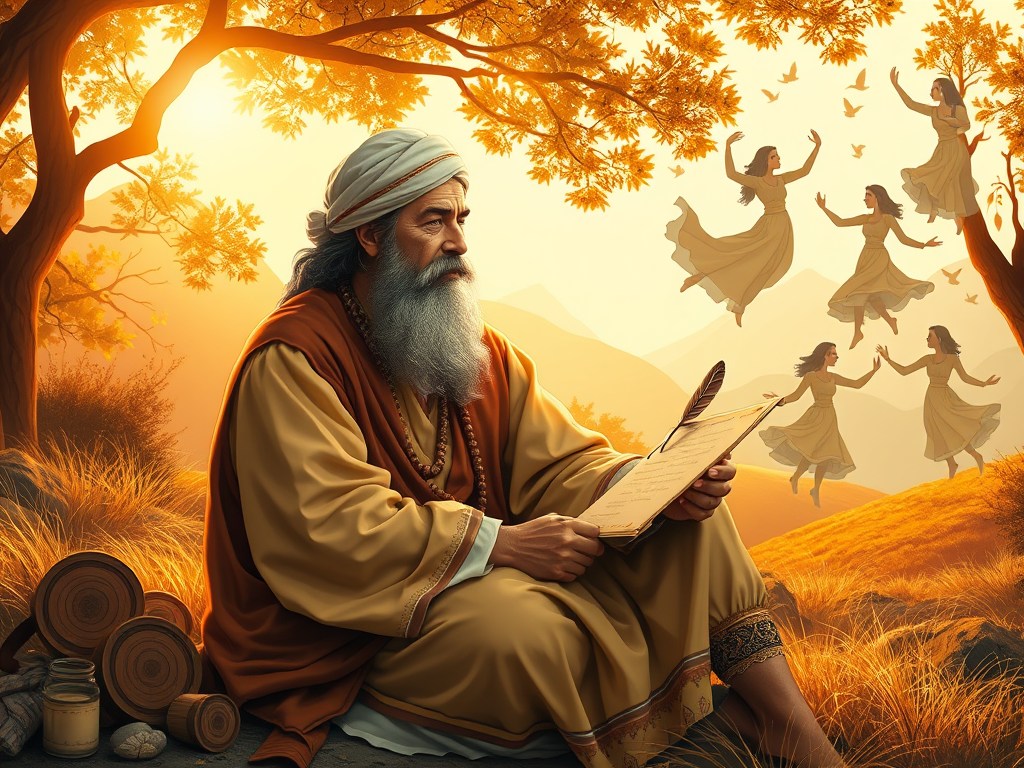
Jalal ad-Din Muhammad Rumi, commonly known as Rumi, is one of the most influential poets, philosophers, and mystics in history. Born on September 30, 1207, in Balkh (modern-day Afghanistan), Rumi’s teachings and poetry have transcended time, culture, and religion, continuing to inspire millions around the world.
A Brief History
Rumi’s family fled from their homeland due to the Mongol invasions, eventually settling in Konya, in present-day Turkey. It was here that Rumi’s spiritual journey deepened, and he began to write extensively. His encounter with Shams-e-Tabrizi, a wandering dervish, was a turning point in his life. Shams became Rumi’s spiritual mentor, awakening in him a profound sense of divine love and unity.
Philosophy and Teachings
Rumi’s teachings revolve around themes of love, spirituality, and unity. He believed that love is the essence of life and the path to divine connection. His works emphasize the importance of transcending the ego, embracing humility, and seeking inner peace.
Rumi’s philosophy is not confined to any single religion; instead, it advocates for universal love and understanding. His famous quote, “Come, come, whoever you are, wanderer, worshiper, lover of leaving. It doesn’t matter. Ours is not a caravan of despair” reflects his inclusive and compassionate outlook on life.
The Whirling Dervishes
Rumi’s teachings gave rise to the Mevlevi Order, known for their practice of Sema, or whirling. The whirling dervishes perform a sacred dance that symbolizes the spiritual ascent of the soul and the abandonment of ego. This ritual, deeply rooted in Rumi’s philosophy, continues to captivate audiences and seekers worldwide.
Rumi’s Works
Rumi wrote extensively in Persian, and his works include:
- Masnavi-ye Ma’navi (The Spiritual Couplets): Often referred to as the “Persian Quran,” this six-volume poem is a treasure trove of wisdom and spiritual guidance.
- Divan-e Shams-e Tabrizi: A collection of lyrical poems dedicated to his beloved mentor, Shams.
- Fihi Ma Fihi: A compilation of Rumi’s prose, offering insights into his thoughts and teachings.
Rumi’s Legacy
More than 800 years after his passing, Rumi’s legacy endures. His works have been translated into countless languages, resonating with people from diverse backgrounds. UNESCO declared 2007 as the “Year of Rumi” to commemorate his 800th birthday, highlighting his universal appeal and contribution to world culture.
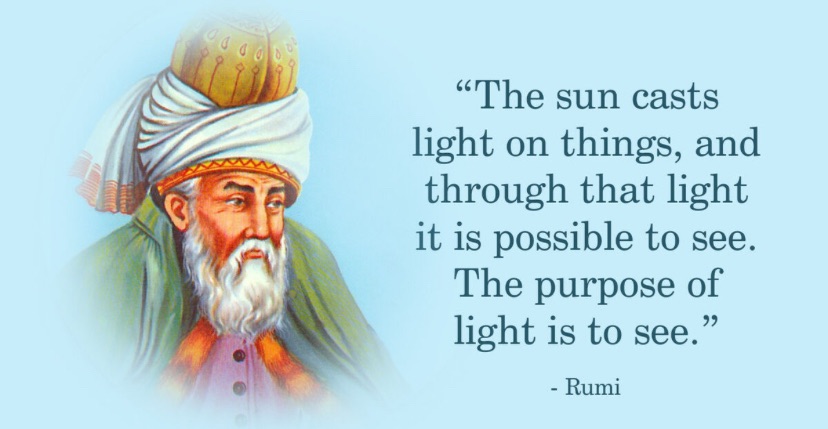
Rumi’s message of love and unity remains as relevant today as it was in his time. In a world often divided by differences, his words remind us of the power of compassion and the beauty of shared humanity.
Closing Thoughts
Whether through his poetry, philosophy, or the mesmerizing dance of the whirling dervishes, Rumi’s essence is one of transcendence and timeless inspiration. As he once wrote, “You were born with wings, why prefer to crawl through life?” Let his wisdom guide you to embrace love, seek unity, and discover the divine within yourself.


Bir yanıt yazın