
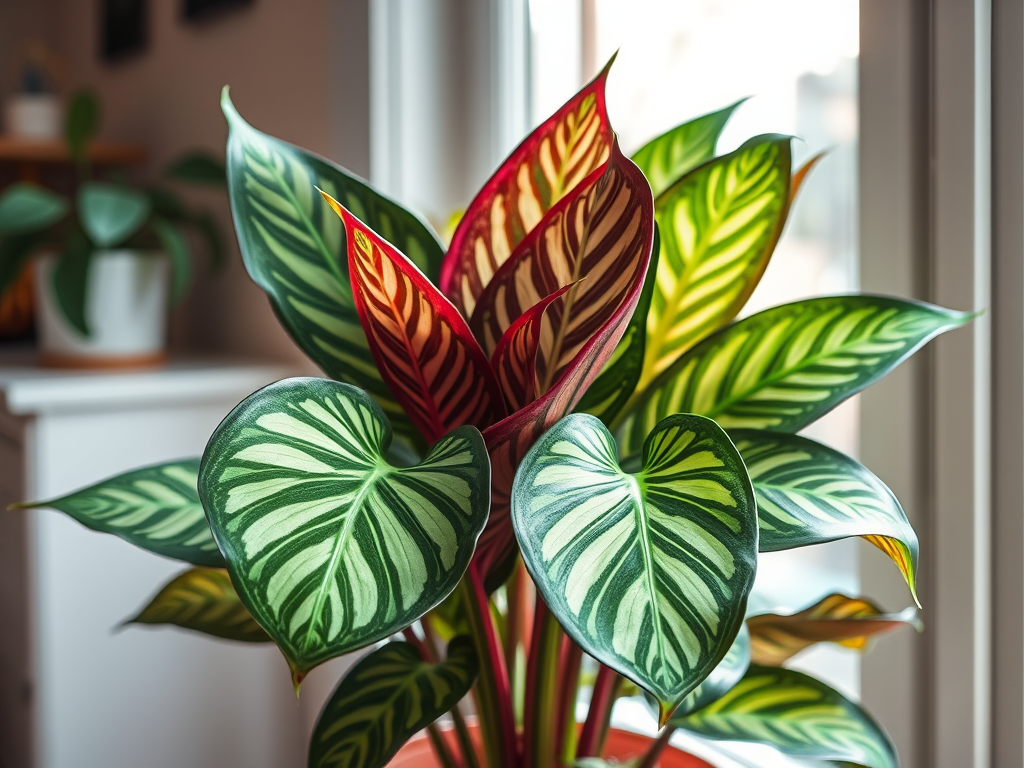
The Prayer Plant (Maranta leuconeura) is known for its unique leaf movements and beautiful foliage. This stunning houseplant gets its name from the way its leaves fold up at night, resembling hands in prayer. With the right care, you can enjoy its vibrant colors and intriguing leaf patterns all year long. Here’s everything you need to know about caring for a Prayer Plant.
Light Requirements
The Prayer Plant thrives in indirect bright light. Direct sunlight can scorch its leaves, causing brown spots or fading colors. Place it near a window with filtered light, or in a room with plenty of natural light but away from direct sun. If the light is too dim, the plant might become leggy and lose its vibrant colors.
Watering
Prayer Plants enjoy consistent moisture but don’t like to sit in water. It’s essential to water them when the top inch of soil feels dry to the touch. During the warmer months (spring and summer), the plant may need more frequent watering, while in winter, reduce watering to avoid over-wetting the roots. Always ensure the pot has drainage to prevent waterlogging.
Humidity Needs
Being native to tropical regions, Prayer Plants love high humidity. Aim to keep the humidity around 50-60%. If your home is dry, you can increase humidity by misting the leaves, using a humidifier, or placing the plant on a tray filled with pebbles and water (ensure the pot isn’t sitting directly in the water).
Temperature
Prayer Plants prefer warm temperatures, ideally between 65°F to 75°F (18°C to 24°C). They should be kept away from cold drafts, air conditioners, or heating vents, as temperature fluctuations can stress the plant and cause its leaves to drop.
Soil
The ideal soil for a Prayer Plant is well-draining, rich in organic matter, and slightly acidic. A good mix for this plant includes peat, perlite, and pine bark. A well-draining mix will prevent root rot, which is a common issue for this species.
Fertilizing
During the growing season (spring and summer), feed your Prayer Plant with a balanced liquid fertilizer diluted to half strength every 4-6 weeks. Avoid fertilizing in the fall and winter when the plant is in a dormant state.
Pruning and Maintenance
Prayer Plants generally don’t require heavy pruning. However, you can trim off any dead or damaged leaves to keep the plant looking tidy. If the plant becomes too leggy, you can trim back the stems to encourage bushier growth. Always use clean, sharp scissors or pruning shears to prevent introducing disease.
Common Problems
- Brown Leaf Tips: This is often due to low humidity or over-fertilizing. Try increasing humidity and adjusting the fertilizing schedule.
- Yellowing Leaves: Yellowing can result from overwatering or poor drainage. Ensure your plant isn’t sitting in stagnant water and that the soil is well-draining.
- Pests: While generally pest-resistant, Prayer Plants can sometimes attract pests like spider mites or mealybugs. Check the undersides of the leaves regularly and treat with insecticidal soap if necessary.
Repotting
Prayer Plants don’t need frequent repotting. Repot your plant every 1-2 years or when it becomes root-bound. Choose a pot that’s only 1-2 inches larger in diameter than the current one, as too much space can lead to overwatering.
Conclusion
With the right care, your Maranta leuconeura can grow into a lush, beautiful plant that will brighten up any room. Be mindful of its light, humidity, and watering needs, and you’ll be rewarded with a stunning display of vibrant leaves and fascinating leaf movements.
Happy gardening!


Bir Cevap Yazın