
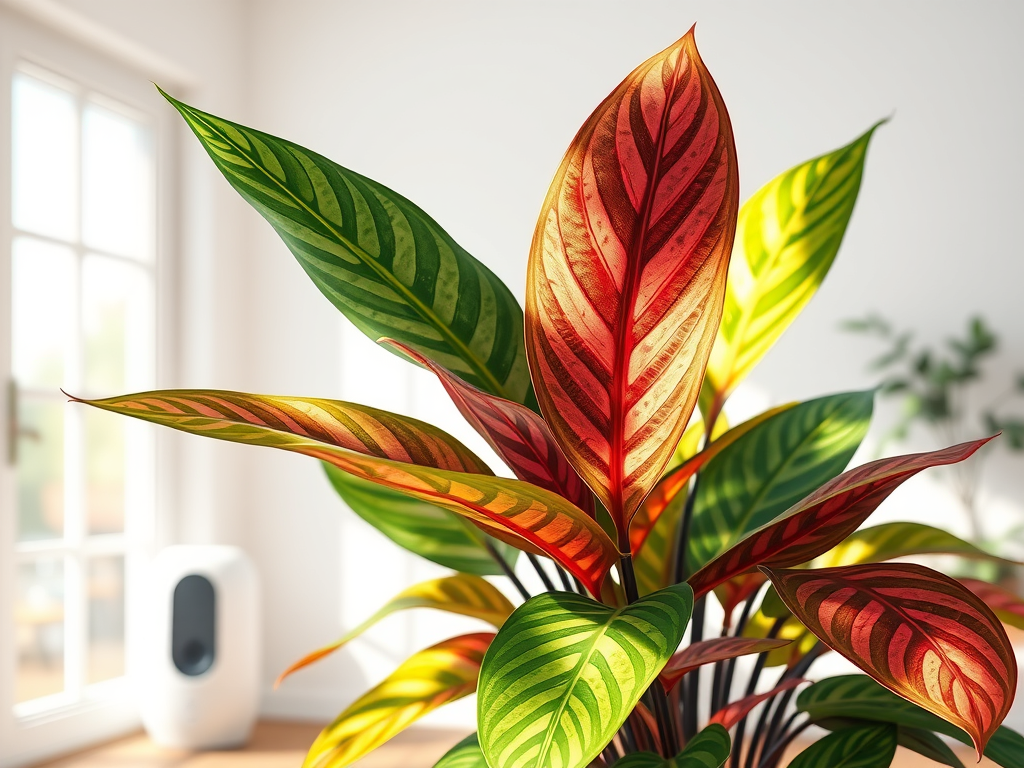
The Maranta plant, also known as the “prayer plant,” is a popular indoor plant admired for its vibrant, patterned leaves. Its unique characteristic of folding its leaves at night and reopening them in the morning has made it a favorite among plant enthusiasts. While the Maranta plant requires a bit of attention, it can thrive for years with the right care. Here’s everything you need to know about Maranta plant care:
1. Light Requirements
- Maranta plants prefer bright, indirect light. Direct sunlight can scorch their delicate leaves, causing them to lose their vibrant colors.
- Place your Maranta near an east or north-facing window. If you have a south or west-facing window, use a sheer curtain to filter the light.
- Insufficient light can cause the leaves to lose their patterns and the plant to become leggy.
2. Watering
- Maranta plants like their soil to stay moist but not waterlogged. Water the plant when the top 1-2 cm of soil feels dry.
- Reduce watering frequency during the winter months when the plant’s growth slows down. Always ensure the soil is not completely dry for extended periods.
- Use room-temperature water to avoid shocking the plant’s roots.
3. Humidity Needs
- Maranta plants thrive in high humidity environments. Dry air, especially during winter, can cause the leaf tips to turn brown.
- Increase humidity by misting the leaves regularly or placing a humidifier nearby.
- Alternatively, you can set the plant on a pebble tray filled with water to create a humid microclimate.
4. Soil Requirements
- Maranta plants prefer light, well-draining soil. A mix designed for indoor plants, combined with perlite or sand, works well.
- The soil pH should be slightly acidic (5.5-6.5) for optimal growth.
5. Fertilizing
- During the growing season (spring and summer), feed your Maranta plant with a balanced liquid fertilizer once a month.
- Avoid fertilizing during the winter when the plant’s growth slows down.
- Use a fertilizer with equal parts nitrogen, phosphorus, and potassium to support healthy foliage.
6. Pruning
- Maranta plants do not require frequent pruning. However, you can trim yellow or dead leaves to encourage new growth.
- To promote a bushier appearance, lightly prune the longer stems.
7. Propagation
- Maranta plants can be easily propagated through division or stem cuttings.
- For division, gently separate the plant’s roots during repotting and plant each section in its own pot.
- For stem cuttings, cut a healthy stem just below a node and place it in water until roots develop. Once rooted, transfer it to soil.
8. Common Pests and Diseases
- Maranta plants are generally resistant to diseases but can suffer from root rot if overwatered.
- Watch out for pests like spider mites, aphids, or whiteflies. Treat infestations with neem oil or a mild soap solution.
9. Repotting
- Repot your Maranta plant every 2-3 years or when its roots outgrow the pot.
- Choose a pot that is one size larger than the current one to prevent waterlogging.
10. Unique Features of the Maranta Plant
- The Maranta plant is called the “prayer plant” because its leaves fold upward at night, resembling hands in prayer. This is a natural behavior and a sign of a healthy plant.
- Its striking leaf patterns make it a stunning addition to any indoor space.
Conclusion
The Maranta plant is a beautiful and rewarding houseplant that can brighten up your home or office. By providing the right light, water, humidity, and care, you can enjoy its vibrant foliage for years to come. While it may require a bit of attention, the Maranta’s unique beauty and fascinating behavior make it well worth the effort. Now it’s your turn to bring home a Maranta plant and start this exciting journey! 🌿
I hope this guide helps you successfully care for your Maranta plant. Wishing you a thriving and beautiful prayer plant! 😊


Bir Cevap Yazın