

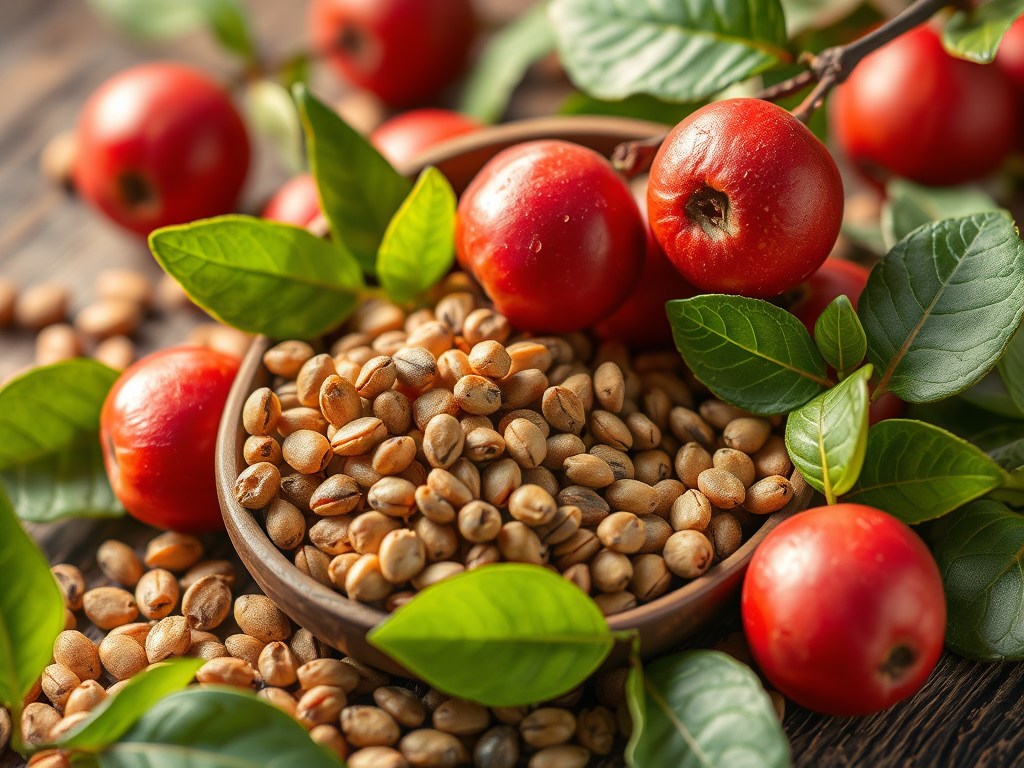
Oleaster is a common name used for several plants in the Elaeagnus genus. One familiar example is Elaeagnus angustifolia, also called Russian olive. Its small fruits have a powdery, sweet-tart flesh surrounding a relatively hard seed. In parts of Central and Western Asia, the fruits have traditional culinary uses. But eating the fruit flesh is not the same as eating concentrated seed powder or an extract, and evidence about one plant part cannot automatically be applied to another.
What exactly are oleaster seeds?
A seed is the reproductive part contained inside the fruit. The edible fleshy part, the hard inner structure and the seed are sometimes loosely grouped together in online articles. That makes vague claims about ‘oleaster seed benefits’ difficult to evaluate. Reliable interpretation requires the botanical species, the precise plant part, the preparation method and the dose. Not all plants called oleaster share the same chemical composition.
Oleaster fruit versus seed: why the distinction matters
Research on Elaeagnus angustifolia often evaluates fruit pulp, leaves, flowers or extracts. If a paper reports a compound in the fruit or an experimental effect of a leaf extract, it does not prove that whole hard seeds have the same effect when consumed. Seeds may also require specific processing for research or food use. Do not assume a hard fruit pit can be chewed safely or ground in household equipment.
Nutrients and plant compounds under investigation
The chemistry of Elaeagnus species has attracted interest because various plant parts contain phenolic compounds and other phytochemicals. Laboratory antioxidant assays describe how a material behaves in a test system; they do not tell us whether a normal serving prevents disease in people. Levels of compounds vary across species, growing regions, extraction solvents and processing methods.
Are the claimed health benefits proven?
- Heart health: Evidence is insufficient to say oleaster seeds lower cholesterol or prevent heart disease in humans.
- Blood sugar: Animal or laboratory findings, if reported for a particular plant extract, are not a substitute for controlled clinical studies of seed consumption.
- Immunity and inflammation: Antioxidant activity does not establish protection against infections or treatment for inflammatory disease.
- Skin and hair: Claims that the seeds repair skin or promote hair growth lack established clinical dosing and outcomes.
- Protein and essential fats: Do not infer nutrient quantities from the phrase ‘superfood’; only a verified analysis of the specific edible product can support such claims.
A small study of an extract does not establish the safety or effectiveness of every homemade preparation. Before repeating a numerical claim about vitamin E, omega-3 or other nutrients, check that the source actually analyzed the seed and not the fruit, leaves or another related species.
Traditional uses of oleaster
Traditional practices involving Russian olive are culturally interesting, and some involve the fruit as food. Others concern medicinal preparations made from different plant parts. Documenting those uses is not equivalent to recommending them as treatments. The scientific question is whether a particular preparation has been adequately tested in people for a defined indication and at a safe dose.
Can you eat oleaster seeds?
Do not chew or swallow hard pits as a way to obtain health benefits. Hard seeds may damage teeth or present choking concerns, especially for children. Home grinders can also be damaged by very hard material. A product marketed as edible seed flour or oil should have clear botanical identification, food-grade production and preparation instructions. An unlabelled extract or homemade powder should not be treated as a proven supplement.
How to choose and store oleaster products
For culinary use, choose accurately identified, food-grade fruit or products from reputable producers. Avoid fruit harvested beside heavily trafficked roads or from plants exposed to unknown pesticide treatments. Remove damaged or mouldy fruit and follow the producer’s storage instructions. If a product is sold as a supplement, check the ingredients, potential drug interactions and whether the claimed benefits are supported by human studies.
Who should take extra care?
Pregnant or breastfeeding people, young children, people using regular medication and those with chronic illnesses should avoid experimenting with concentrated seed preparations without qualified advice. Allergic reactions are possible with botanical products. If swallowing a hard seed causes choking, breathing difficulty or other acute symptoms, seek urgent help. No plant seed is a replacement for prescribed treatment.
Frequently asked questions
Do oleaster seeds lower blood sugar? A proven human treatment effect and safe daily dose have not been established.
Are Russian olive fruits and their seeds identical? No. Different plant parts have different structures and possible uses.
Is oleaster seed oil a certified remedy? A cosmetic or commercial product’s marketing claim does not establish medical effectiveness.
Can I grind the pits at home? Using household equipment on very hard pits can be unsafe; do not improvise processing methods.
Conclusion
Oleaster is a useful botanical and cultural subject, but popular lists of ‘eight miracle seed benefits’ go beyond the available evidence. Distinguish fruit from seed, identify the exact species and product, and treat medical claims cautiously. Enjoy food-grade products as foods where appropriate, not as guaranteed treatments.
Sources and further reading
Royal Botanic Gardens, Kew – Plants of the World Online (botanical identification)
Bir yanıt yazın