
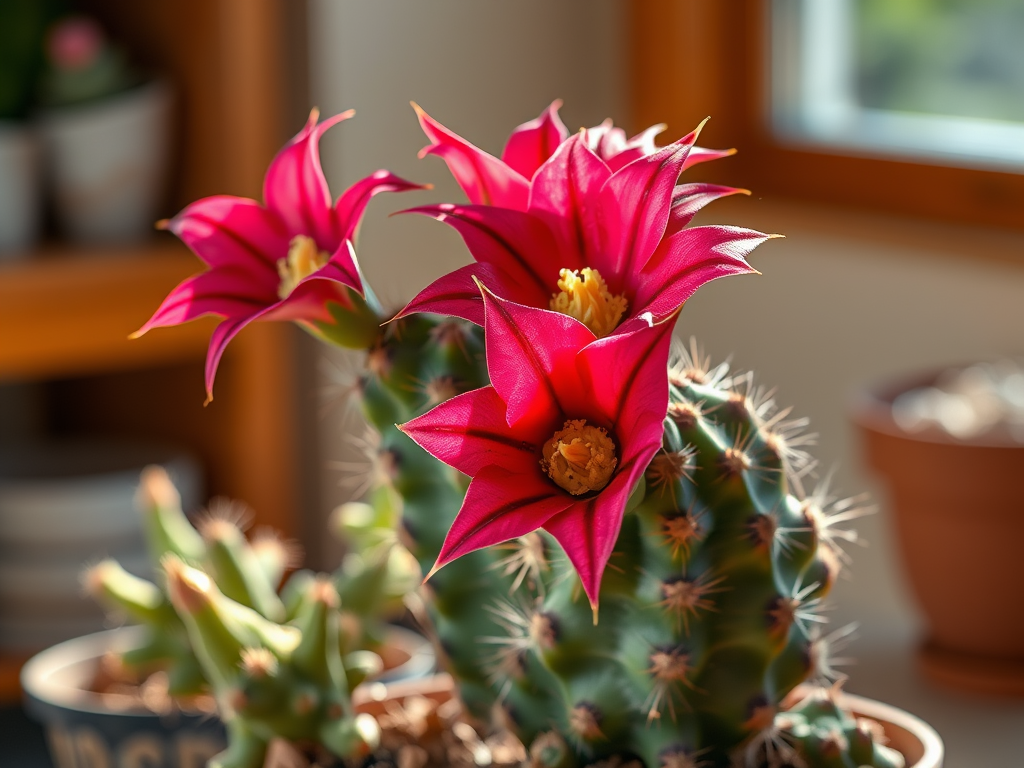
The Carrion Cactus, also known as Stapelia or Starfish Flower, may not be the first plant that comes to mind when decorating your home — but for succulent lovers and collectors, it’s a fascinating addition. Known for its bold star-shaped flowers and… let’s say, unique scent, the Carrion Cactus is both a conversation starter and a low-maintenance houseplant.
Let’s explore how to grow and care for this bizarre beauty at home.
📋 Quick Care Overview
| Requirement | Stapelia (Carrion Cactus) |
|---|---|
| Light | Bright, indirect sunlight |
| Watering | Infrequent; let soil dry out completely |
| Soil | Well-draining cactus/succulent mix |
| Temperature | 20–30°C (68–86°F); frost-sensitive |
| Humidity | Low to moderate |
| Fertilizer | Monthly during growing season |
| Toxicity | Non-toxic to pets 🐾 |
🌞 Light Requirements
Stapelia thrives in bright, indirect sunlight. Avoid harsh, direct afternoon rays which can scorch the plant. If you keep it indoors, place it near a south or east-facing window.
💧 Watering Schedule
Overwatering is the number one killer of Carrion Cactus. Water only when the soil is bone-dry. During winter, reduce watering drastically — once every 4 to 6 weeks may be enough.
Tip: If the stems look soft and shriveled, it might need a drink. But if they feel mushy, you’re overwatering.
🌱 Soil & Repotting
Use a well-draining succulent or cactus soil. You can also mix perlite or sand to improve drainage. Stapelias prefer being slightly root-bound, so repot only when the plant outgrows the pot.
🌸 Flowering & Smell
The flowers are large, star-shaped, and visually stunning — but beware, they emit a rotting meat smell to attract pollinators (like flies). This unusual trait is how the plant earned its name.
Flowering typically occurs in late summer or early fall, given the right conditions.
🌡️ Temperature & Climate
Carrion Cactus prefers warm environments between 20–30°C (68–86°F). It’s not frost-tolerant, so bring it indoors if temperatures drop below 10°C (50°F).
🧴 Fertilizing
Fertilize once a month during the spring and summer with a diluted cactus fertilizer. No need to feed during the fall or winter dormancy period.
🧰 Stapelia Care Plan (Monthly Checklist)
| Month | Action |
|---|---|
| March-May | Start monthly watering and feeding; provide more light |
| June-August | Check for flowers; avoid overwatering during heat |
| September | Continue care; enjoy blooms |
| October | Reduce watering; prepare for winter dormancy |
| November-February | Minimal care; water once if soil is bone-dry |
✅ Conclusion: A Rare Oddity Worth Growing
If you’re into weird but wonderful succulents, the Carrion Cactus is perfect for your collection. It’s easy to care for, visually striking, and makes a bold statement in any room or garden. Just don’t be surprised if the smell catches you off guard during blooming season!
❓ FAQs About Carrion Cactus
Q: Is Carrion Cactus really that smelly?
A: Yes, but only when it blooms. The scent mimics rotting meat to attract pollinators like flies.
Q: How often does it bloom?
A: Typically once a year, in late summer or early fall, if the plant receives enough sunlight and warmth.
Q: Can I grow it outdoors?
A: Yes, if you live in USDA zones 9–11. In colder climates, grow it in pots and bring it indoors for winter.
Q: Is Carrion Cactus safe for pets?
A: Yes, it’s generally non-toxic to cats and dogs, but it’s always best to keep all plants out of reach of curious pets.
Q: Why is my Stapelia not blooming?
A: It may need more sunlight, a better draining potting mix, or a proper dormancy period during winter.




Bir Cevap Yazın