
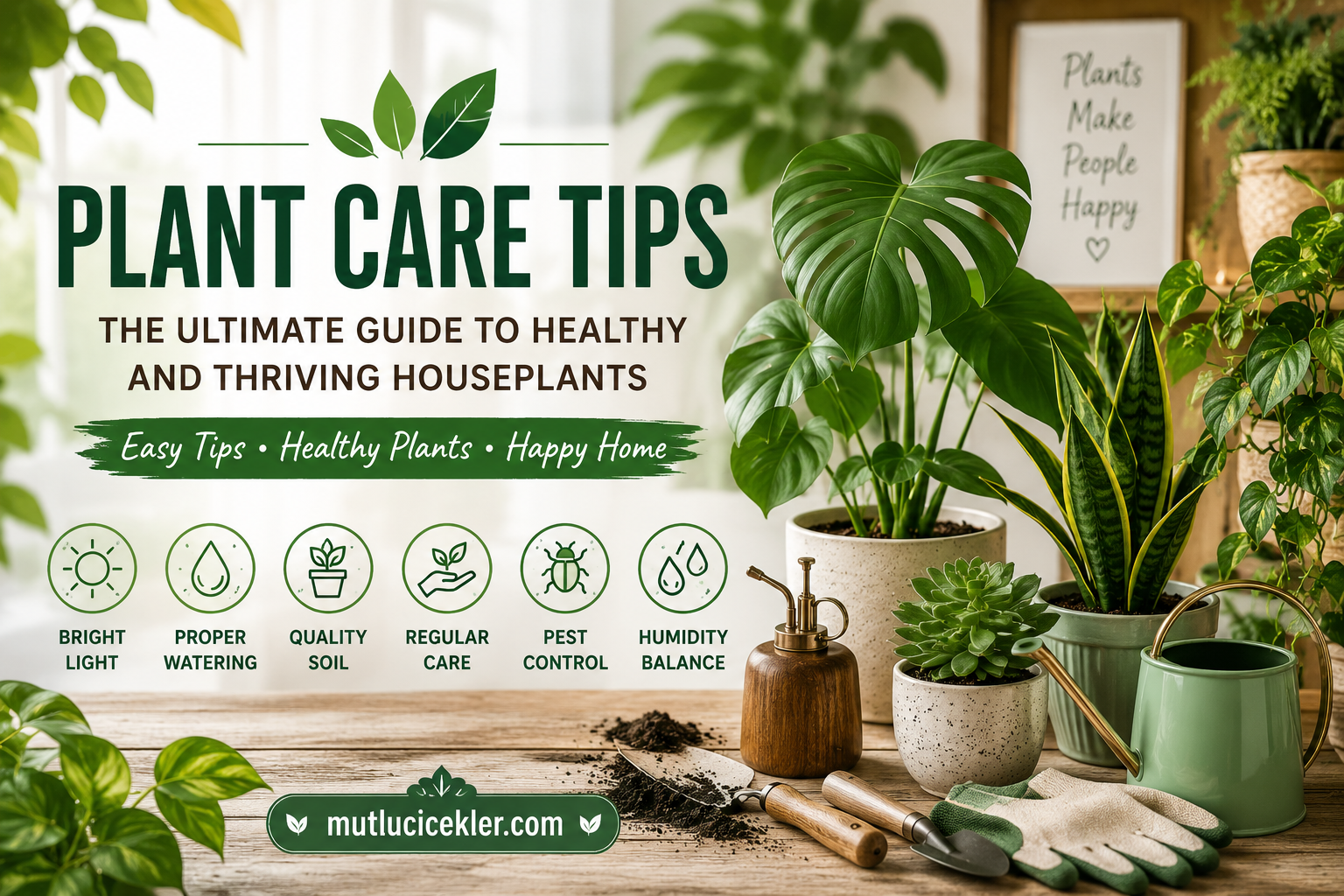
Houseplants do much more than decorate your home. They bring life, freshness, and a calming atmosphere into living spaces. However, many people struggle to keep their plants healthy because they don’t fully understand their needs. The good news is that with a few simple techniques, anyone can grow beautiful and vibrant indoor plants.
In this comprehensive guide, you’ll discover the most important plant care tips, common mistakes to avoid, and expert advice to help your plants thrive.
☀️ 1. Understand Your Plant’s Light Needs
One of the biggest mistakes in plant care is assuming every plant requires the same amount of sunlight.
Some plants love direct sunlight, while others prefer indirect or filtered light.
🌵 Plants That Love Direct Sunlight
- Cactus
- Succulents
- Aloe Vera
- Rubber Plant
🍃 Plants That Prefer Indirect Light
- Peace Lily
- Snake Plant
- Pothos
- Monstera
⚠️ Too much direct sunlight can burn delicate leaves, especially during summer months.
💧 2. Overwatering Is One of the Biggest Problems
Many plant owners accidentally kill their plants with kindness by watering too often.
How to Water Properly
- Check the top layer of soil before watering
- Use the finger test to check moisture
- Avoid watering if the soil is still damp
- Make sure the pot has drainage holes
🌿 Succulents and cacti are especially sensitive to overwatering.
🪴 3. Choosing the Right Pot Matters
The right pot can make a huge difference in your plant’s health.
A Good Pot Should:
- Have drainage holes
- Allow enough room for root growth
- Not be excessively large
Clay pots help regulate moisture better, while plastic pots retain water longer.
🌱 4. Soil Quality Is Essential
Healthy soil provides nutrients, airflow, and proper drainage for roots.
Ideal Soil Characteristics
- Rich in organic matter
- Well-draining
- Lightweight and breathable
Different plants may require special mixes:
- Orchids → Bark-based mix
- Succulents → Sandy soil
- Flowering plants → Nutrient-rich potting mix
🌬️ 5. Humidity and Airflow Are Important
Indoor heating systems, air conditioners, and dry air can negatively affect plants.
Tropical plants especially prefer humid environments.
Ways to Increase Humidity
- Mist the leaves occasionally
- Place water trays nearby
- Use a humidifier
🍀 Plants like Monstera and Calathea thrive in higher humidity levels.
✂️ 6. Remove Dead or Yellow Leaves
Pruning damaged leaves helps plants focus energy on healthy growth.
Benefits of regular pruning:
- Encourages new leaves
- Improves appearance
- Reduces disease risk
🐛 7. Watch for Pests and Diseases
Indoor plants can sometimes attract pests or develop fungal issues.
Warning Signs
- Sticky leaves
- Tiny insects
- White spots under leaves
- Brown or dry leaf edges
Natural solutions include:
- Neem oil
- Mild soap spray
- Cinnamon powder for fungus prevention
🌸 8. Avoid Moving Plants Too Often
Plants adapt to their environment over time. Constantly moving them can cause stress.
Sensitive plants include:
- Orchids
- Flowering species
- Large tropical plants
Keeping them in a stable location helps them grow better.
🌿 9. Does Talking to Plants Really Help?
Some studies suggest sound vibrations may positively affect plant growth. More importantly, caring for plants can improve mood and reduce stress in humans.
Houseplants may:
- Improve indoor air quality
- Create a peaceful atmosphere
- Enhance home decor naturally
🌼 Best Low-Maintenance Plants for Beginners
If you’re new to plant care, start with easy-to-grow varieties:
- Snake Plant
- Pothos
- Aloe Vera
- ZZ Plant
- Peace Lily
- Succulents
These plants are generally resilient and beginner-friendly.
❓ Frequently Asked Questions (FAQ)
Why are my plant’s leaves turning yellow?
Usually due to overwatering, poor lighting, or root problems.
Why isn’t my plant flowering?
Insufficient light or lack of nutrients may be the reason.
Should plants be watered less during winter?
Yes. Most plants require less water during colder months.
Do indoor plants need fertilizer?
Occasional fertilizer or mineral support can help healthy growth.
🌟 Final Thoughts
Plant care doesn’t have to be difficult. Understanding your plant’s needs, providing proper light, watering correctly, and maintaining healthy soil are the keys to success.
With the right care, houseplants can transform your home into a peaceful and refreshing green space while also improving your overall well-being.
🌿 Healthy plants create a happier home.
For more plant care guides, gardening inspiration, and nature content, keep following us!
🌐 mutlucicekler.com













Bir Cevap Yazın