
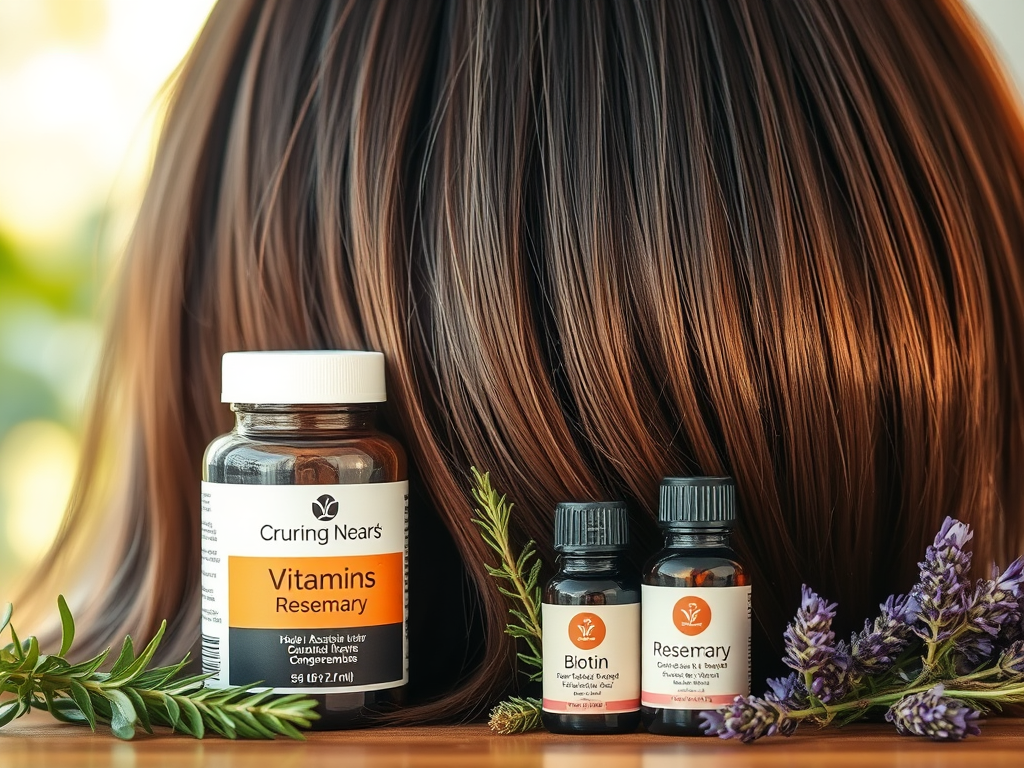
Hair loss is a common problem affecting both men and women. It can be caused by a variety of factors, including genetics, stress, hormonal changes, and poor nutrition. Fortunately, there are several ways to reduce or prevent hair loss, as well as treatments that can help stimulate hair regrowth. In this post, we’ll explore the best methods for managing hair loss and promoting healthier, stronger hair.
1. Nutrients and Vitamins for Hair Health
A balanced diet is crucial for maintaining healthy hair. Hair loss can be a sign of nutrient deficiencies, so ensuring you’re getting enough vitamins and minerals is essential. Some nutrients that support hair growth include:
- Biotin: A key B-vitamin that helps improve hair structure and promotes growth.
- Vitamin D: Lack of vitamin D can lead to hair thinning, so make sure to get enough sunlight or supplements.
- Iron: Iron deficiency is a common cause of hair loss, especially in women.
- Zinc: This mineral supports healthy hair follicles and scalp.
- Omega-3 Fatty Acids: Found in fish, flaxseeds, and walnuts, omega-3s help nourish hair follicles.
2. Essential Oils for Hair Growth
Several essential oils are known to stimulate hair growth and reduce hair thinning. These oils help improve circulation in the scalp, promote stronger hair roots, and improve hair health. Some popular essential oils for hair growth include:
- Rosemary oil: Promotes circulation and strengthens hair follicles.
- Peppermint oil: Known to boost hair growth by increasing blood flow to the scalp.
- Lavender oil: Offers stress-relieving properties and stimulates hair growth.
- Cedarwood oil: Helps balance oil production and improve hair growth.
To use these oils, dilute them with a carrier oil like coconut or jojoba oil and massage into the scalp for a few minutes. Leave the oil in for 30-60 minutes before washing it out.
3. Scalp Massage and Hair Care Routine
A regular scalp massage can improve blood circulation, which in turn can promote hair growth. Gently massaging your scalp with your fingertips for 5-10 minutes a day can help ensure nutrients are delivered to the hair follicles, and it also helps to relieve stress, which is a major contributor to hair loss.
In addition to scalp massage, using the right hair care products can make a big difference. Choose sulfate-free shampoos, conditioners, and treatments that are gentle on your hair and scalp. Avoid using harsh chemical treatments, excessive heat, and tight hairstyles that can cause breakage or damage.
4. Herbal Remedies for Hair Loss
Certain herbs have been used for centuries to promote hair growth and prevent hair loss. Some popular herbal remedies include:
- Saw palmetto: Known to block DHT, a hormone responsible for hair thinning in men and women.
- Ginseng: Stimulates hair follicles and promotes growth.
- Aloe vera: Calms the scalp and reduces dandruff, which can lead to hair loss.
- Nettle root: Contains compounds that may help prevent hair thinning.
These herbs can be used in teas, oils, or applied directly to the scalp.
5. Red Light Therapy
Red light therapy is a non-invasive treatment that uses low-level laser light to stimulate hair follicles. This therapy helps increase circulation and oxygen flow to the scalp, which promotes hair regrowth. It’s an effective treatment for individuals suffering from androgenetic alopecia (pattern baldness) and other types of hair loss. Many red light therapy devices are available for at-home use, or you can seek professional treatment.
6. Medical Treatments for Hair Loss
If natural remedies aren’t enough, there are medical treatments available that can help slow down or stop hair loss. Some options include:
- Minoxidil (Rogaine): An over-the-counter topical treatment that can help stimulate hair growth. It’s effective for both men and women.
- Finasteride (Propecia): A prescription oral medication for men that works by blocking DHT, which is responsible for male-pattern baldness.
- Platelet-Rich Plasma (PRP) Therapy: This involves injecting your own blood platelets into the scalp to stimulate hair growth.
- Hair Transplant Surgery: A more invasive option where hair follicles are transplanted from one area of the scalp to another.
7. Managing Stress for Healthier Hair
Stress is one of the leading causes of hair loss, and it can trigger a condition called telogen effluvium, where hair enters the resting phase and sheds prematurely. To prevent stress-related hair loss, try to incorporate relaxation techniques into your daily routine, such as:
- Meditation
- Yoga
- Deep breathing exercises
- Regular physical activity
Conclusion
Hair loss can be frustrating, but with the right approach, you can manage it and promote healthier hair growth. Start by improving your diet, using essential oils, and following a gentle hair care routine. If needed, explore medical treatments or therapies that can help stimulate regrowth. Remember that consistency is key, and be patient as your hair recovers.













Enikanonaye Temitope için bir cevap yazınCevabı iptal et